


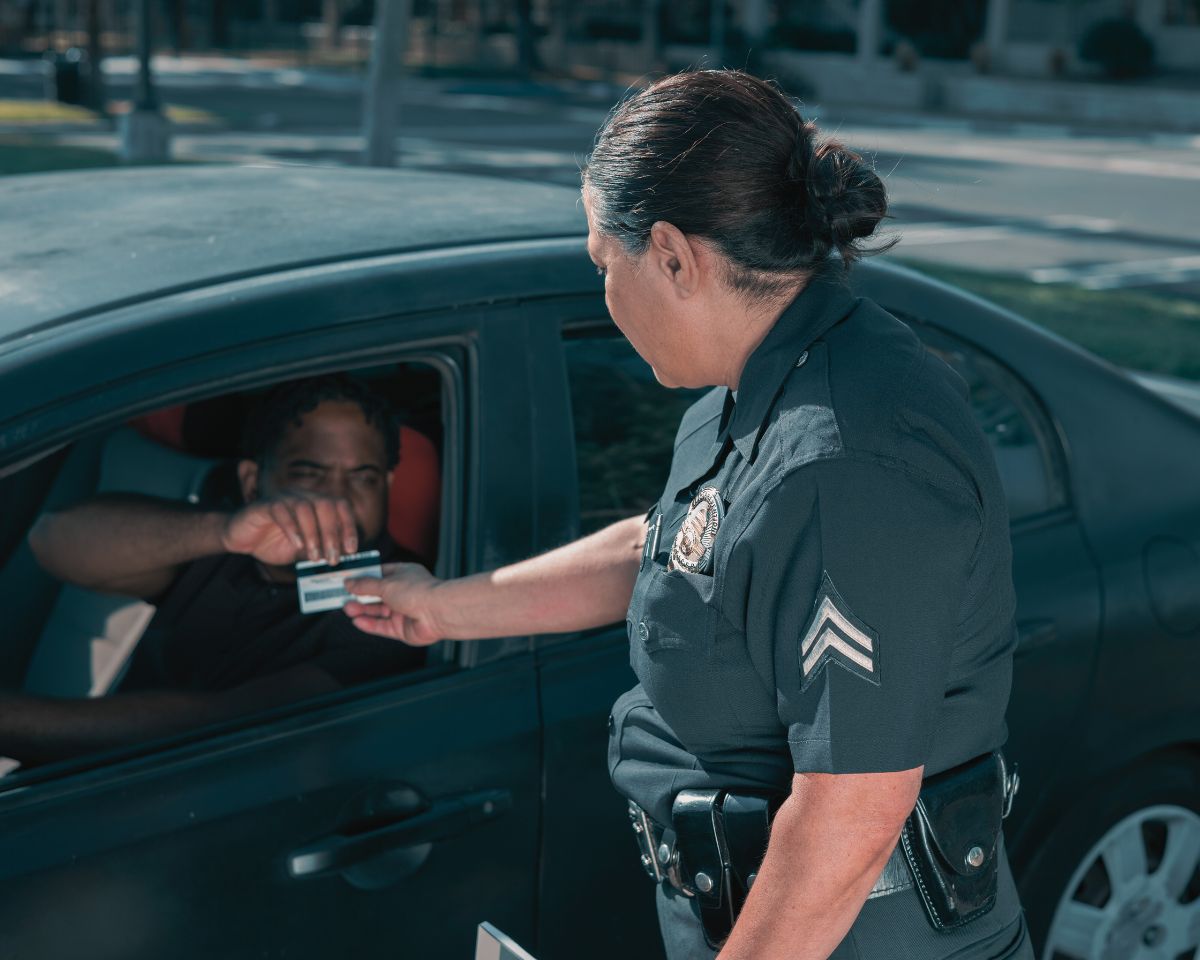
Understanding California law can be complex, especially when it comes to criminal statutes like California Penal Code 148.9 PC. This law deals specifically with providing false identification to law enforcement during a detention or arrest. If you or someone you know is facing a PC 148.9 charge, this guide will explain what it is, how it works, potential penalties, defenses, and practical advice for navigating the legal process.
What is California Penal Code 148.9 PC?
California Penal Code 148.9 PC makes it a misdemeanor to falsely identify yourself to a peace officer during a lawful detention or arrest. This applies if a person intentionally provides a false name, claims to be another individual, or invents a fictitious identity with the goal of evading proper identification by the officer or avoiding court proceedings.
In simpler terms, if a police officer lawfully stops or arrests you, and you give false personal information to hide your identity or to avoid being processed through the legal system, you could be charged under PC 148.9.
Key Elements of a Penal Code 148.9 PC Violation
To convict someone under this statute, prosecutors must prove several key points:
Lawful Detention or Arrest: The person must be under lawful detention or arrest. This does not include casual or voluntary interactions with police.
False Representation: The person must knowingly provide false information, such as a fake name, date of birth, or a completely fictitious identity.
Intent to Evade Identification or Court Process: The false information must be given with the purpose of avoiding identification by law enforcement or avoiding court appearances.
Knowledge of Officer Status: In some cases, the law requires that the person knew, or should have known, that they were dealing with a peace officer performing official duties.
If any of these elements are missing, the charge may not be legally supported.
When Does Penal Code 148.9 PC Apply?
Situations Where It Applies:
A driver is lawfully arrested for DUI and gives a false name to avoid identification.
A person is detained on suspicion of theft and intentionally provides another person’s identity to avoid the booking process.
Any instance where false information is provided during a lawful stop or arrest with the intent to deceive law enforcement.
Situations Where It Does Not Apply:
During a consensual encounter with police where no detention or arrest has occurred.
When false information is given before any lawful stop or arrest.
When the individual did not know the person they were speaking to was a peace officer.
It’s critical to distinguish between voluntary interactions and situations where a law enforcement officer has legal authority to detain or arrest. PC 148.9 only applies in the latter.
Penalties for Violating Penal Code 148.9 PC
PC 148.9 is classified as a misdemeanor, meaning it carries less severe penalties than a felony, but the consequences can still be significant. Potential penalties include:
Up to 6 months in county jail
Fines of up to $1,000
Summary probation instead of jail time in some cases
Other consequences may include impacts on your criminal record, employment opportunities, or professional licenses. In some cases, non-citizens should consider potential immigration consequences, although PC 148.9 is generally not considered a crime of moral turpitude.
Common Defenses Against Penal Code 148.9 PC Charges
If charged with PC 148.9, several defenses may be relevant:
No Lawful Detention or Arrest: If the stop was voluntary, the statute likely does not apply.
Lack of Knowledge or Intent: If the person did not knowingly provide false information, or it was a mistake, this may be a valid defense.
Officer Not Clearly Identified: If the individual did not know they were interacting with a peace officer, the knowledge requirement may not be met.
Unlawful Detention or Arrest: If the initial detention or arrest was not legally justified, the charge may be challenged.
Mistaken Identity or Misunderstanding: The individual may argue they provided accurate information or were not attempting to evade identification.
A qualified criminal defense attorney can evaluate the specifics of a case and determine which defenses are most viable.
Examples
Here are examples of how PC 148.9 charges might arise:
Example 1: A driver is arrested for DUI. During booking, they provide a false name to avoid being identified. This likely qualifies as a PC 148.9 violation.
Example 2: A person voluntarily talks to an officer on the street and gives a fake name out of nervousness. Since there was no detention, PC 148.9 may not apply.
Example 3: Someone provides a false date of birth during arrest to mislead officers. This can also fall under PC 148.9, as it constitutes false identification.
These examples highlight the importance of context and the lawful status of the officer’s interaction.
How to Respond if Charged
If you are facing a PC 148.9 charge, consider these steps:
Consult an Experienced Criminal Defense Attorney – Legal guidance is essential to navigate potential consequences.
Preserve Evidence – Keep a record of all interactions, and request body-cam or dash-cam footage if available.
Assess Lawfulness of Detention or Arrest – Your attorney will review whether the initial stop or arrest was legally valid.
Examine Intent – Determine whether there was intent to mislead law enforcement or if the false information was accidental.
Explore Probation or Diversion – In many cases, alternative sentencing may be available for misdemeanor offenses.
Consider Long-Term Implications – A criminal record can affect employment, licensing, and other future opportunities.
Why California Has Penal Code 148.9 PC
The purpose of this law is to protect law enforcement and the judicial system. Police officers must be able to identify individuals accurately during stops, detentions, and arrests to investigate crimes, issue citations, and process legal proceedings. By criminalizing false identification, the law ensures that individuals cannot evade justice through deception.
Related Statutes
It’s useful to understand PC 148.9 in context with related California laws:
Penal Code 529 – False Personation: Focuses on impersonating someone else for personal gain or to commit fraud. PC 148.9 is narrower, focusing on false ID given to police during detention.
Penal Code 148 – Resisting Arrest: Covers obstructing or resisting law enforcement, whereas PC 148.9 specifically addresses false identification.
Vehicle Code Section 31 – False Statement to Officer: Addresses providing false information in certain vehicle-related contexts.
While there may be overlap, PC 148.9 is distinct in its focus and application.
Frequently Asked Questions
Q: Must I provide my name to a police officer in California?
A: Only during lawful detention or arrest. There is no general “stop and identify” law in California for casual encounters.
Q: Can a traffic stop before arrest trigger PC 148.9 charges?
A: Generally no, because a lawful detention or arrest must occur first.
Q: Does PC 148.9 affect immigration status?
A: It depends on your individual situation. While generally not a crime of moral turpitude, non-citizens should consult an immigration lawyer.
Q: Can I avoid jail time if convicted?
A: Yes. Judges may grant probation or alternative sentencing for misdemeanor charges like PC 148.9.
Final Thoughts
California Penal Code 148.9 is a narrowly defined misdemeanor that addresses the serious issue of providing false identification to law enforcement during detention or arrest. While the penalties may seem minor compared to felonies, the consequences for your record, employment, or legal status can be long-lasting.
If you or someone you know is facing a charge under PC 148.9, prompt legal guidance is critical. The right attorney can help evaluate defenses, challenge unlawful detentions, and work to minimize the impact of a conviction.
Call to Action:
If you are dealing with a charge under California Penal Code 148.9 PC or any related criminal offense, contact us today. Our experienced criminal defense attorneys at Southwest Legal can guide you through every step of the legal process to protect your rights and achieve the best possible outcome. Don’t wait—get professional help now.