


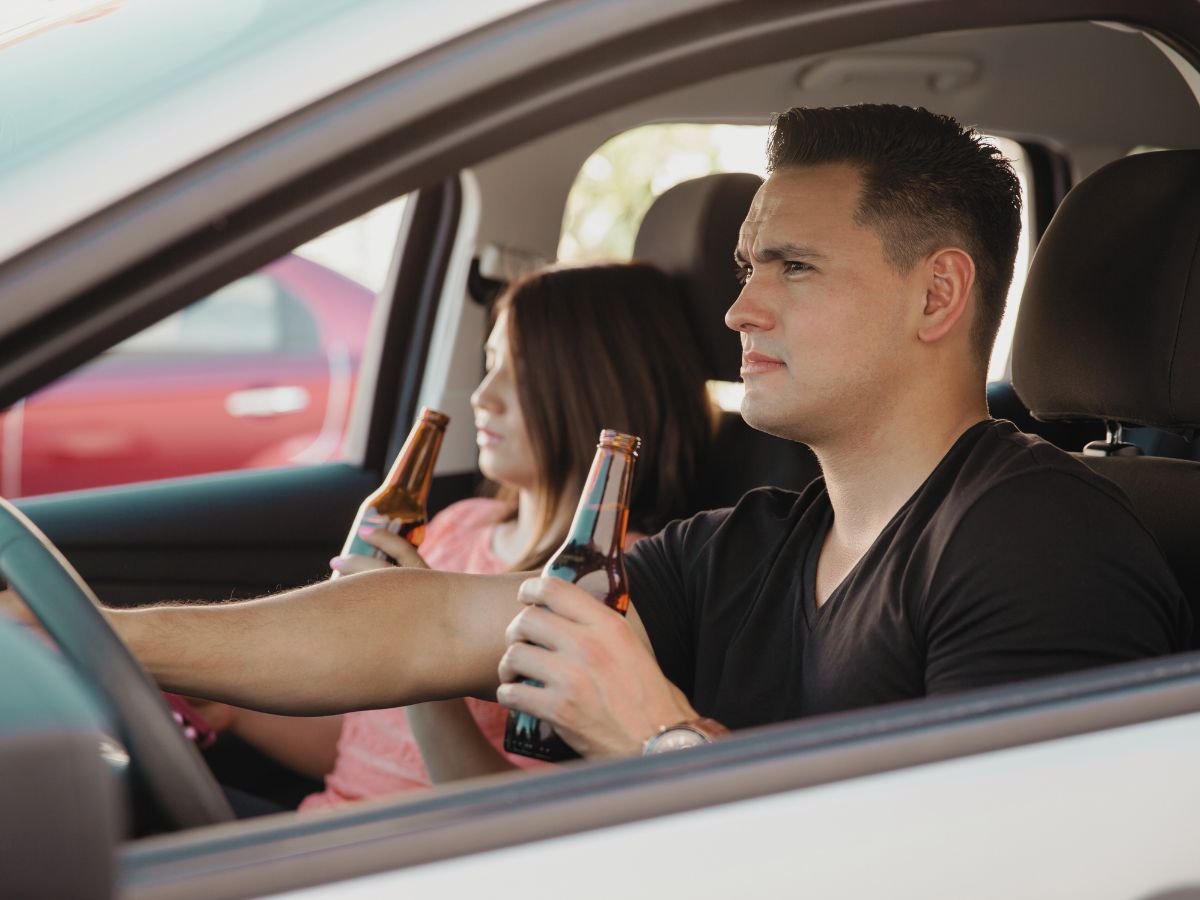
Driving during the holidays is stressful enough. Between packed roads, festive gatherings, and late-night travel, the chances of impaired driving increase significantly. In response, California law enforcement agencies increase DUI checkpoints during major holidays. But what exactly are your rights at these checkpoints—and what are police allowed or not allowed to do?
This comprehensive guide covers what California drivers need to know about holiday DUI checkpoints, your rights, and how to handle being stopped.
Are DUI Checkpoints Legal in California?
Yes, DUI checkpoints are legal in California. Courts have ruled that these checkpoints are a legitimate tool for promoting public safety, provided they are carried out fairly and under strict legal guidelines. While the U.S. Constitution generally prohibits random stops, exceptions have been made for sobriety checkpoints when conducted under specific standards.
What Makes a DUI Checkpoint Legal?
California courts have established several criteria that make a DUI checkpoint lawful. All the following must be met:
1. Checkpoint Planning by Supervisory Officers
Senior officers—not those on patrol—must plan checkpoint details, including the location, timing, and methods used.
2. Neutral Criteria for Stopping Vehicles
Officers must follow a consistent, predetermined method for stopping vehicles, such as every third or fifth car. They cannot single out drivers arbitrarily.
3. Reasonable Location
Checkpoints must be located in areas with a record of DUI-related accidents or arrests—not just randomly placed without justification.
4. Proper Safety Precautions
Law enforcement must ensure checkpoints are safely marked with cones, warning signs, and lights. Officers must be in uniform, and their vehicles should be clearly identifiable.
5. Minimal Intrusion
Unless there is reasonable suspicion of impairment, the stop should take only a few seconds. Delaying drivers without cause is not legal.
6. Official Appearance
The checkpoint must look like an official operation—uniformed officers, marked patrol cars, and clear signage are all required.
7. Appropriate Timing and Duration
Checkpoints are typically scheduled for late evenings and holidays when DUI activity increases, but they cannot continue for unreasonable lengths of time or at times unlikely to catch impaired drivers.
8. Public Notice
Although not strictly required, authorities are encouraged to publicize checkpoints ahead of time to increase deterrence and transparency.
Why Checkpoints Increase During Holidays
Certain holidays see a spike in DUI-related incidents. Police often set up more checkpoints during:
New Year’s Eve
Independence Day
Thanksgiving weekend
Christmas
Memorial Day and Labor Day weekends
The goal is to reduce impaired driving and prevent alcohol-related accidents during high-risk times.
What to Expect at a Holiday DUI Checkpoint
Here’s what usually happens at a checkpoint:
Approach: You’ll be directed into a checkpoint lane with signage and lights.
Document Check: An officer will ask for your license, registration, and proof of insurance.
Observation: Officers look for signs of intoxication like slurred speech, red eyes, or alcohol odor.
Field Testing (If Necessary): If you appear impaired, you may be asked to perform field sobriety tests or a breath test.
Detainment or Release: If no signs of impairment are found, you’ll be on your way in seconds. If there’s probable cause, arrest may follow.
Your Rights at a California DUI Checkpoint
Even though the police have the legal authority to set up checkpoints, you still have rights that must be respected.
 You Must Stop, But You Don’t Have to Answer Questions
You’re legally required to stop and show ID when asked, but you don’t have to answer questions like “Where are you going?” or “Have you been drinking?”
You Can Refuse Field Sobriety Tests (Before Arrest)
If you haven’t been arrested, you can decline field sobriety tests and preliminary breath tests. However, refusal might prompt further investigation.
Chemical Tests Are Required After Arrest
Once you’re arrested, refusing a chemical breath or blood test can lead to automatic license suspension under California’s implied consent laws.
You Can Turn Around Legally
You’re allowed to avoid a checkpoint—as long as you do it legally. Making an illegal turn or driving erratically to escape the checkpoint could result in a stop.
No Search Without Probable Cause
Police cannot search your car unless you give consent or they have probable cause (such as visible alcohol containers or the smell of drugs).
What Police Cannot Do at a DUI Checkpoint
They can’t detain you for an extended period without justification.
They can’t search your vehicle without probable cause.
They can’t require you to answer self-incriminating questions.
They can’t force field sobriety tests before an arrest.
They can’t stop you randomly—neutral criteria must be followed.
What to Do If You’re Arrested at a Checkpoint
Stay calm and don’t argue.
Provide requested identification.
Politely decline to answer other questions.
Don’t resist or try to leave the scene.
Contact a qualified DUI attorney as soon as possible.
Document everything you remember, including the location, officer behavior, and the procedures followed. Any deviation from legal requirements can be a defense in court.
How to Stay Safe and Avoid Legal Trouble
Always have a designated driver or use a rideshare service if you plan to drink.
Avoid driving during peak DUI enforcement hours if possible.
Keep your license and registration easily accessible.
Remain calm and respectful if you are stopped.
Need Help After a DUI Checkpoint Stop? Southwest Legal Can Help
If you’ve been arrested at a DUI checkpoint—or believe your rights were violated—don’t face the legal system alone. The legal team at Southwest Legal has deep experience handling DUI cases across California and can identify whether the checkpoint followed legal procedures or overstepped its boundaries.
Free case consultation Skilled DUI defense attorneys Personalized legal strategy to fight your charges
Whether you were wrongfully stopped, improperly tested, or unfairly arrested, Southwest Legal is ready to help you defend your rights and protect your future.