


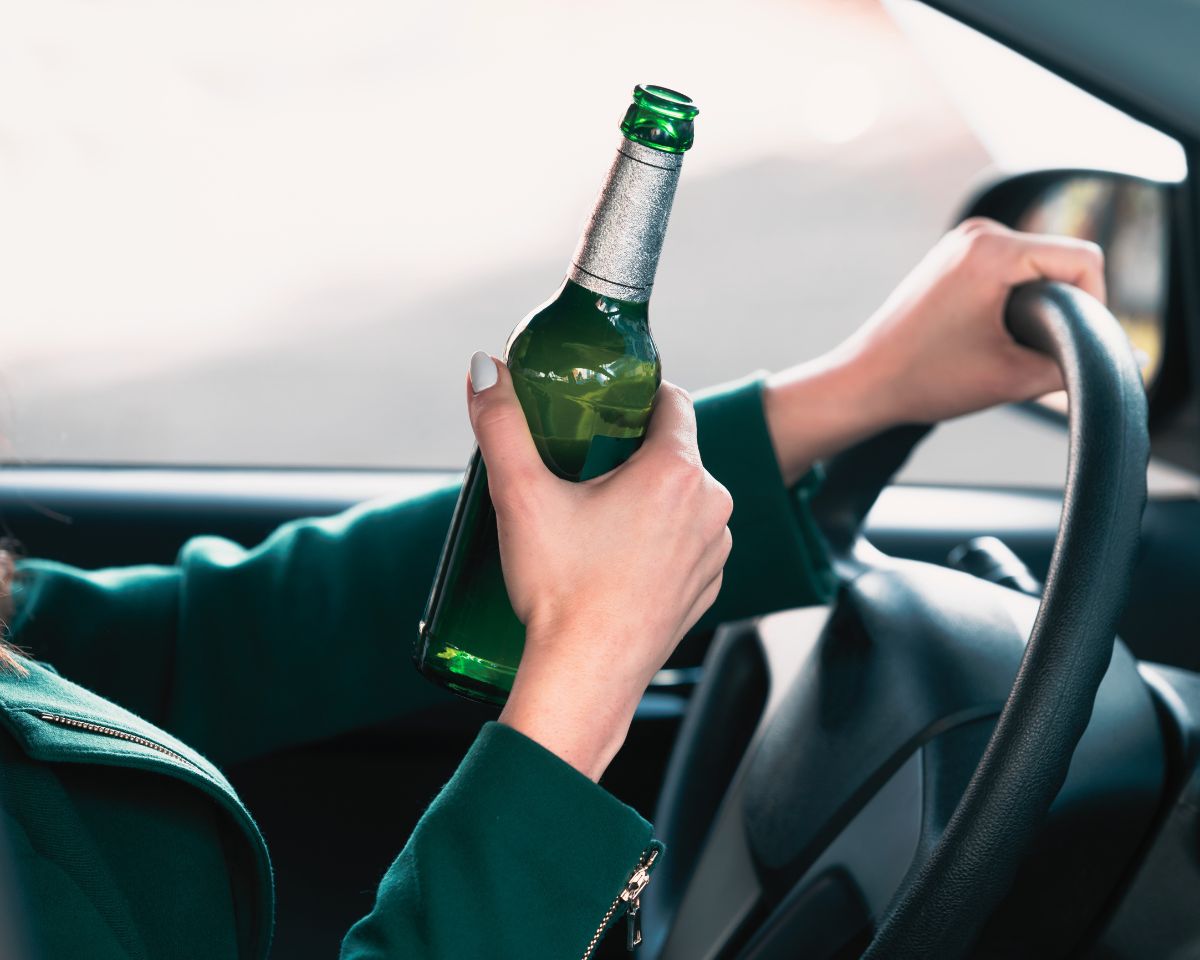
In California, laws related to alcohol and driving are strict, but not all violations are created equal. Two commonly confused offenses are open container violations and driving under the influence (DUI). While both deal with alcohol and vehicles, they are distinctly different in terms of legal definitions, consequences, and how law enforcement handles them. Understanding the differences between these two offenses is essential — especially if you’re ever stopped while driving. This guide will break down what each violation means, the penalties involved, how they can overlap, and what to do if you’re charged with either. Whether you’re a driver, passenger, or someone trying to make sense of California traffic laws, this article will give you clear answers.
What Is an Open Container Violation in California?
An open container violation occurs when someone has an opened alcoholic beverage or marijuana product in a vehicle. It doesn’t matter if the driver isn’t drinking from it — if the container has been opened, partially consumed, or has a broken seal, it could lead to a citation. The law applies to both drivers and passengers.
Open container laws also extend to marijuana products. If marijuana is not in a sealed container or is accessible to the driver, it can result in a citation under similar statutes.
Where the Law Applies
Open container laws apply to any vehicle on a public road or highway. If you’re parked, driving, or even sitting in a car that’s stopped in a public area, you could still be in violation.
Exceptions
There are exceptions for:
-
Limousines, buses, and taxis where alcohol consumption is permitted.
-
Alcohol stored in the trunk or a locked glove compartment.
-
RVs and motorhomes, where alcohol may be stored in designated living areas.
Penalties for Open Container Violations
For most adults 21 and older, an open container violation is an infraction, much like a traffic ticket. Penalties usually include:
-
A fine of up to $250
-
Possible points on your driving record
However, if you are under 21, the offense becomes more serious:
-
It can be charged as a misdemeanor
-
Fines up to $1,000
-
Potential jail time up to 6 months
-
Suspension of driving privileges
What Is DUI in California?
Driving Under the Influence (DUI) means operating a vehicle while impaired by alcohol, drugs, or a combination of both. A driver can be charged with DUI even if their blood alcohol concentration (BAC) is below the legal limit if their ability to drive is impaired.
Legal BAC Limits
-
0.08% for adults over 21
-
0.04% for commercial drivers
-
0.01% for drivers under 21
Types of DUI Offenses
California DUI laws cover:
-
Alcohol-related impairment
-
Drug-related impairment (including marijuana, prescription meds, or illegal substances)
-
Refusing to take a breath or blood test under implied consent laws
Penalties for DUI
Penalties for a first-time DUI offense may include:
-
Fines and court fees totaling several thousand dollars
-
Mandatory DUI education programs
-
License suspension (typically 6 months)
-
Installation of an ignition interlock device
-
Jail time or community service
-
Higher insurance premiums
Repeat offenses or DUIs involving injury, property damage, or passengers under 14 can lead to more serious penalties, including felony charges.
Key Differences Between Open Container and DUI
| Aspect | Open Container Violation | DUI |
|---|---|---|
| Nature of Offense | Possessing or transporting opened alcohol or cannabis in a vehicle | Operating a vehicle while impaired or over the legal BAC limit |
| Who Can Be Cited | Driver and passengers | Driver only |
| Severity | Usually an infraction for adults; misdemeanor for underage | Misdemeanor or felony depending on circumstances |
| Penalties | Fine up to $250 (adult), possible license impact | Fines, jail time, license suspension, DUI school, probation |
| Impact on Driving Record | May result in points | Serious — includes license suspension, criminal record |
| Criminal Record | No, unless charged as a misdemeanor | Yes — DUI is a criminal offense |
Can You Be Charged with Both?
Yes. It is entirely possible to be cited for both an open container violation and DUI at the same time. For example, if an officer pulls you over and sees an open beer can in the cup holder and also suspects impairment, you could face charges for both.
An open container might also serve as evidence in a DUI investigation, strengthening the officer’s case if they suspect alcohol consumption prior to or during driving.
Common Defenses
For Open Container Violations:
-
The container was stored in the trunk or a locked compartment.
-
You weren’t aware the container was open.
-
You were not in a public area when cited.
-
The container belonged to a passenger and was not accessible to the driver.
For DUI Charges:
-
You were not impaired at the time of driving.
-
Faulty chemical testing equipment or improperly administered tests.
-
Medical conditions that mimic intoxication.
-
Unlawful traffic stop or violation of your rights during arrest.
Each case is unique, so it’s important to have a qualified legal professional evaluate the facts and determine the best defense strategy.
Frequently Asked Questions
Q: Is it illegal to have an open bottle of wine in my car if I haven’t been drinking it?
Yes, unless it’s stored in the trunk or another area not accessible to the driver or passengers.
Q: Can passengers drink in the car?
In most cases, no. Passengers are also prohibited from possessing or consuming open alcohol in a vehicle on a public roadway. Exceptions apply in limousines or party buses.
Q: What if the alcohol was left by someone else?
If it can be shown that the container belonged to someone else and was not in your control, that could be used as a defense.
Q: What happens if I’m under 21 and caught with an open container?
Underage drivers or passengers face much harsher consequences, including criminal charges, license suspension, and possible jail time.
Q: Will a DUI stay on my record?
Yes, a DUI conviction can stay on your driving and criminal record for years and may affect job opportunities, insurance rates, and travel privileges.
Why This Matters
Both open container and DUI laws exist to promote road safety, but they carry very different consequences. Understanding the distinction can help you avoid costly mistakes. Even a simple open container infraction can affect your driving record or lead to more serious charges if combined with other violations.
If you’re ever pulled over, knowing your rights and responsibilities can make a big difference. Keep alcohol properly stored, never drive impaired, and when in doubt, contact a legal professional.
Need Legal Help? Contact Southwest Legal Today
If you’ve been charged with DUI or cited for an open container violation, the consequences can be serious — especially if you don’t know your options. At Southwest Legal, our experienced attorneys specialize in California traffic and DUI laws and can help you protect your rights, minimize penalties, or even get your charges dismissed. Call us now for a free consultation and let us fight for you.