


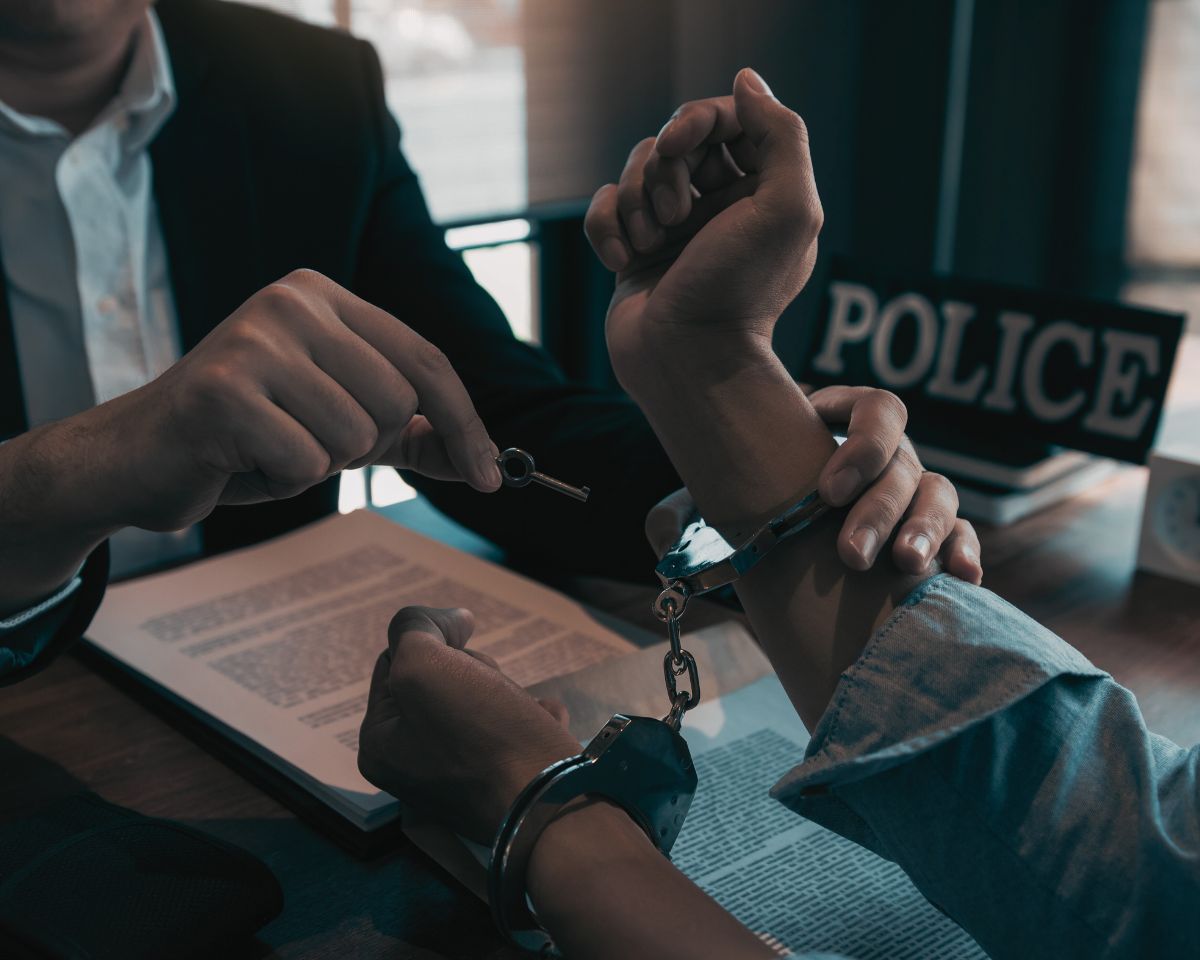
When you’re facing a criminal investigation, DUI charge, or traffic offense in California, what you say—and what you don’t—can dramatically affect your case. That’s why understanding your Miranda rights is critical. At Southwest Legal, we’re committed to helping you protect your rights from the very first interaction with law enforcement.
What Are Miranda Rights?
Miranda rights are legal protections based on the Fifth and Sixth Amendments of the U.S. Constitution. They require law enforcement to inform individuals of specific rights before initiating a custodial interrogation. These rights include:
-
The right to remain silent
-
The understanding that anything said can be used in court
-
The right to an attorney
-
The right to have an attorney appointed if you cannot afford one
These rights are meant to ensure that you are not coerced into providing self-incriminating information and that you have legal representation during questioning.
When Do Miranda Rights Apply in California?
Contrary to common belief, law enforcement is not required to read you your Miranda rights the moment they interact with you. These rights only apply when two specific conditions are met:
-
You are in police custody, and
-
Police are conducting an interrogation
If both of these conditions are not present, officers may question you without reading you your rights—and anything you say could still be used against you in court.
For example, if you are pulled over for a suspected DUI and an officer asks whether you’ve been drinking before making an arrest, Miranda warnings may not be legally required. However, your answers can still be used against you.
Miranda Rights and DUI or Traffic Stops
In California, police officers frequently gather information during roadside stops without issuing a formal Miranda warning. Drivers may mistakenly believe they are required to answer all questions during a DUI or traffic stop, such as “How much have you had to drink?” or “Where are you coming from?”
In most cases, you are only required to provide your license, registration, and proof of insurance. You are not legally obligated to answer investigative questions without an attorney present, even if Miranda has not yet been read.
Once you are placed under arrest and law enforcement begins a custodial interrogation, they must advise you of your Miranda rights. If they fail to do so, any subsequent statements may be excluded from evidence.
What Happens if Police Don’t Read You Your Rights?
A common misconception is that a case must be dismissed if officers fail to read Miranda rights. The truth is more nuanced.
If law enforcement obtains statements from you after you’ve been taken into custody and interrogated without providing Miranda warnings, those statements may be ruled inadmissible in court. This means they cannot be used as evidence against you.
At Southwest Legal, we will evaluate whether a Miranda violation occurred and, if appropriate, file a motion to suppress any unlawfully obtained statements. In some cases, this can weaken the prosecution’s case significantly or lead to a favorable plea agreement—or even dismissal.
How to Properly Invoke Your Miranda Rights
To protect your rights, it is important to clearly and firmly state that you are invoking them. Simply staying silent is not enough. You must clearly say:
-
“I am exercising my right to remain silent.”
-
“I want to speak with an attorney.”
Once you’ve invoked your rights, stop speaking and do not answer further questions until your attorney is present. If you continue to talk, your statements could still be used against you—even after invoking your rights.
Common Misunderstandings About Miranda Rights
Many people misunderstand how Miranda rights work in real-world situations. Here are a few key clarifications:
-
Miranda warnings are not required at the time of arrest unless police intend to interrogate you while in custody.
-
Not receiving a Miranda warning does not automatically invalidate the arrest itself.
-
Choosing to remain silent does not imply guilt and is a constitutionally protected right.
-
In traffic and DUI cases, many statements are made before custody, making them admissible even without a Miranda warning.
Knowing when and how these rights apply can be the difference between a conviction and a successful defense.
Why Legal Representation Matters
The police are trained to gather evidence, not to protect your rights. Saying the wrong thing—or saying too much—can seriously damage your defense. At Southwest Legal, we understand the tactics law enforcement uses, and we know how to challenge improper procedures, including Miranda violations.
If your rights were violated, we can seek to exclude your statements and build a strategic defense tailored to your unique situation.
Protect Your Future — Contact Southwest Legal Today
If you’ve been arrested, questioned by police, or charged with a crime in California, do not face the system alone. Your rights are your first line of defense—and at Southwest Legal, we take that seriously. Contact us today for a free and confidential consultation. Let us review your case, explain your options, and fight for the justice you deserve.