


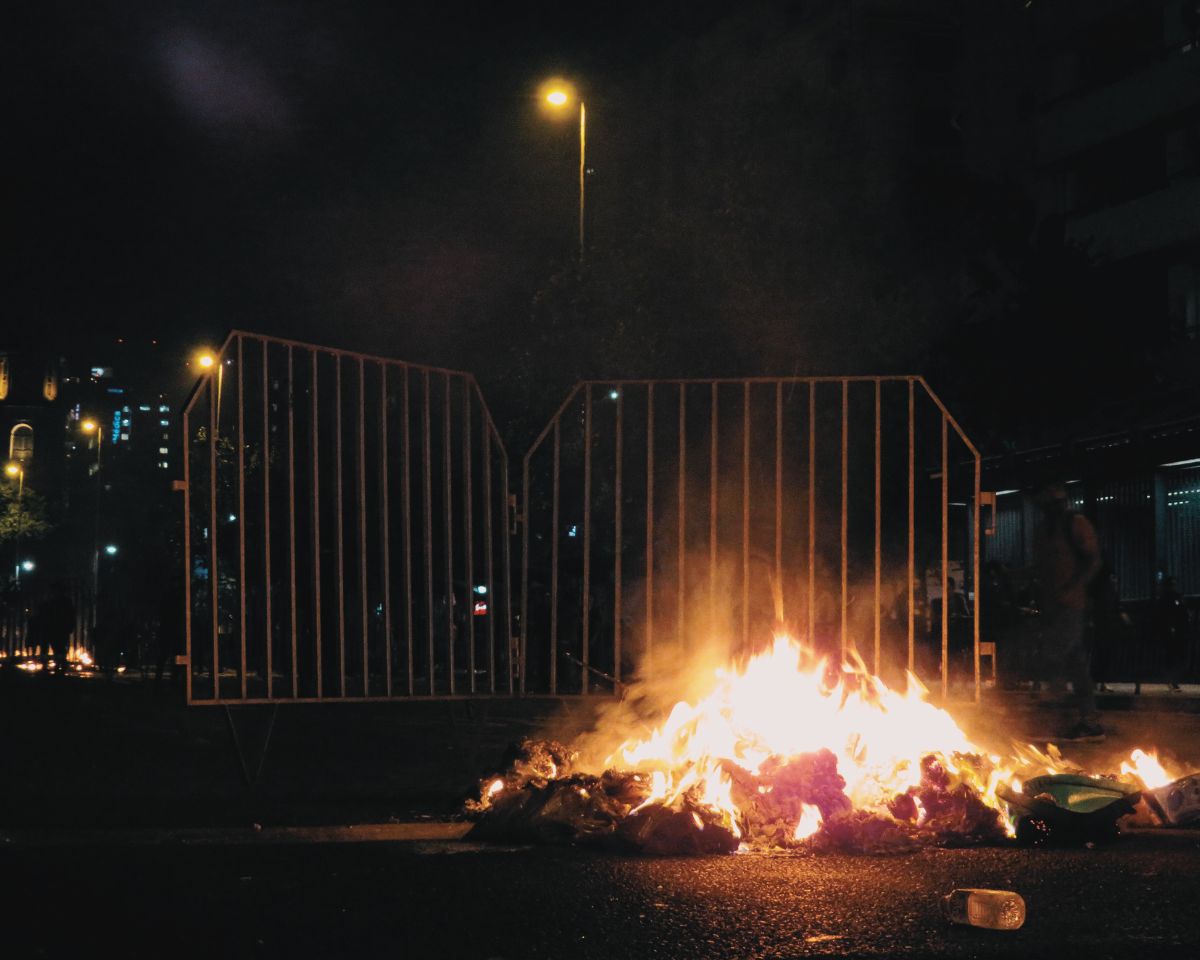
California Penal Code § 405a addresses a extremely serious felony offense: Taking a Person from Custody by a Riot. This law is designed to punish individuals who use the collective force and chaos of a mob to forcibly seize a person from the lawful control of a peace officer. The severity of the crime is directly related to the danger a riot poses to public safety and law enforcement.
The Definition and Elements of PC § 405a
The law specifically prohibits any person who participates in the taking by means of a riot of another person from the lawful custody of a peace officer.
To convict a defendant of this felony, the prosecutor must prove the following distinct elements beyond a reasonable doubt:
-
Participation in a Riot: The defendant willfully participated in a legally defined riot.
-
What is a Riot? A riot occurs when two or more people act together, without legal authority, to disturb the public peace by using force or violence, or by threatening to use force or violence with the immediate capability to carry out those threats.
-
-
Taking from Custody: The defendant removed or participated in the removal of another person from the custody of a peace officer.
-
By Means of a Riot: The removal of the person from custody was directly facilitated by the riot.
-
Lawful Custody: The person being removed must have been in the lawful custody of a peace officer.
-
Knowledge: The defendant knew or reasonably should have known that the person whose custody was being interfered with was a peace officer performing their official duties.
Key Consideration: The person who is being taken from custody can also be held liable under PC § 405a if they actively incite or encourage the mob action for the purpose of their own escape.
Penalties for a PC § 405a Conviction
California Penal Code § 405a is classified as a straight felony, meaning it cannot be reduced to a misdemeanor charge. A conviction for this offense carries severe, life-altering consequences:
-
State Prison Sentence: The standard sentence is two, three, or four years in a state prison.
-
Felony Fines: A fine of up to $10,000.
-
Loss of Firearm Rights: As a felony, a conviction results in a lifetime ban on owning or possessing firearms in California and federally.
-
Immigration Consequences: For non-U.S. citizens, a conviction for this crime can be classified as an aggravated felony under immigration law, leading to deportation or inadmissibility.
-
Professional Licensing: Individuals who hold professional state licenses (e.g., medical, legal, financial) face the risk of having their license suspended or revoked.
-
Formal Felony Probation: A judge may grant felony probation instead of imprisonment, but this includes harsh conditions, mandatory reporting, and the possibility of serving the full prison sentence if probation is violated.
Defenses Against Taking a Person from Custody by a Riot
Facing a PC § 405a charge requires an aggressive and strategic legal defense. Many successful defenses challenge the prosecution’s ability to prove the complex elements of the crime, particularly the existence of a legally defined riot.
1. Challenging the Riot Element
The most critical defense is often proving that the gathering did not meet the legal criteria for a “riot.”
-
No Force or Threat of Force: If the crowd’s actions were disorderly but did not involve the use of or an immediate threat of violence, the charge is improper.
-
Lack of Participants: If the act of taking the person from custody was executed by only one person, a riot could not have occurred.
-
Mere Presence: If the defendant was present at a protest or disturbance but did not actively participate in the violence or the act of removal, they are not guilty.
2. Absence of Lawful Custody
If the person being taken was not actually in the lawful custody of the peace officer—for instance, if the initial arrest was illegal, lacked probable cause, or violated the person’s constitutional rights—then an essential element of the crime is missing.
3. Mistaken Identity or Lack of Knowledge
In the chaos of a public disturbance, police may mistakenly identify participants. Furthermore, if the defendant genuinely did not know they were interfering with a peace officer (e.g., if the officer was undercover or not clearly identified), the element of knowledge may be difficult for the prosecution to prove.
Related Charges
Individuals charged with PC § 405a often face additional or alternative charges stemming from the same incident, including:
-
Resisting Arrest (PC § 148): Obstructing or delaying an officer in the performance of their duties.
-
Rescuing a Prisoner (PC § 4550): This is a separate felony that involves forcibly taking a person from custody, but does not require the use of a riot.
-
Inciting a Riot (PC § 404.6): Encouraging others to commit violence or participate in a riot.
-
Battery on a Peace Officer (PC § 243): Physically striking or injuring an officer during the incident.
Call to Action
If you or a loved one is facing felony charges under California Penal Code § 405a, the time to act is now. This charge carries mandatory prison sentences and lifelong consequences that require an immediate, aggressive defense strategy. Do not speak to law enforcement without an attorney present.
Contact us today for a free confidential consultation to protect your rights, explore your legal defenses, and start building your case against these serious allegations. Your freedom is too important to risk.