


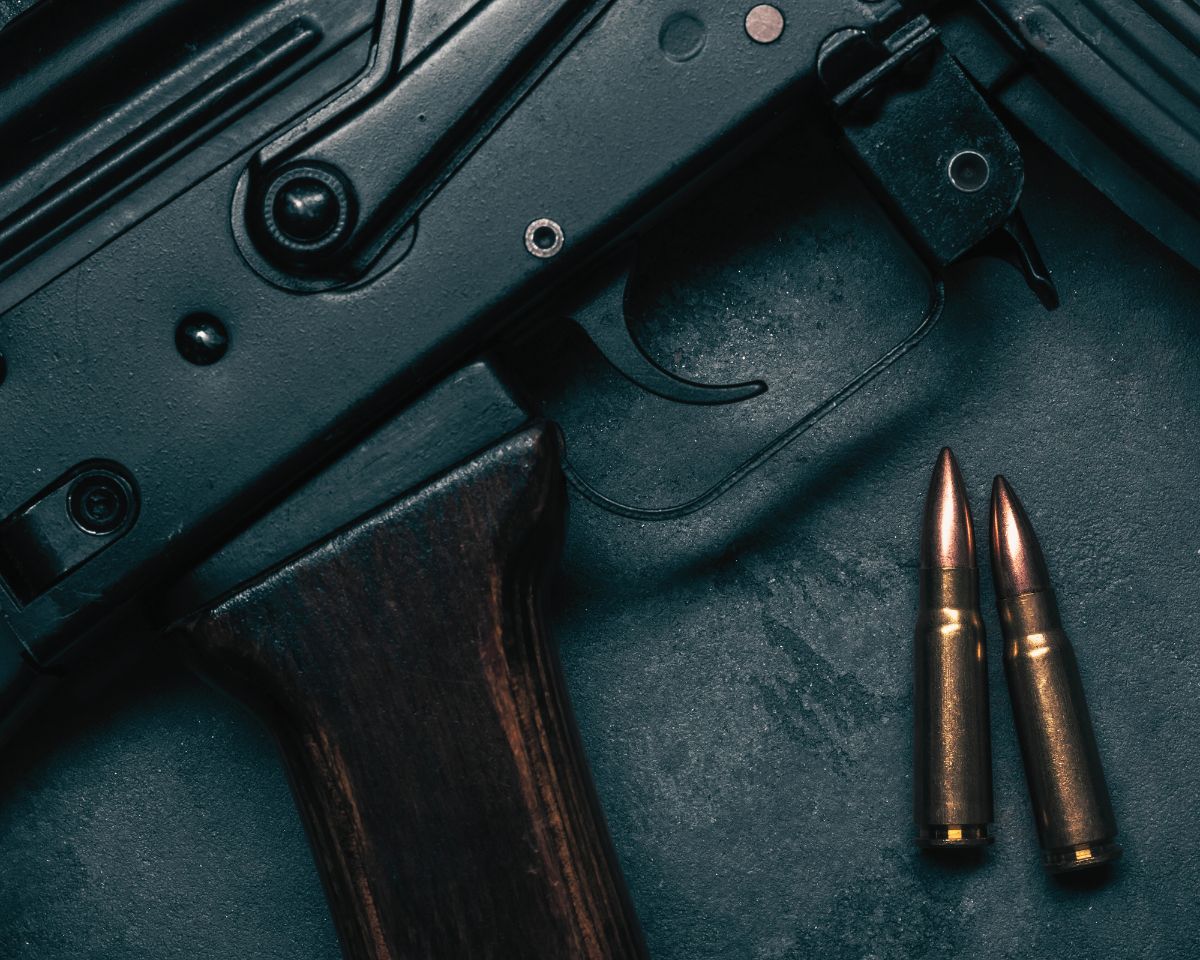
California enforces some of the most restrictive and detailed firearm laws in the nation. Among these, Penal Code § 30605—which governs possession of an assault weapon—stands out as one of the most complex and potentially confusing statutes for gun owners. The rules surrounding assault weapon classifications, registration periods, features, and exemptions have changed multiple times, leaving many Californians unsure about what is legal and what is not.
This guide explains everything you need to know so you can stay informed and avoid legal trouble.
What Penal Code § 30605 Means
California Penal Code § 30605 makes it a crime to possess an assault weapon within the state unless you fall under a specific legal exemption. In general:
-
Possessing an assault weapon is illegal unless allowed by law.
-
Violations may be charged as misdemeanors or felonies.
-
Convictions can lead to jail, fines, probation, and firearm confiscation.
There is a very narrow “first-violation” exception that allows certain individuals who unknowingly possessed an assault weapon to resolve the case with only a fine. This applies only if strict conditions are met and usually requires turning the firearm over for destruction.
How California Defines an “Assault Weapon”
Understanding what California considers an assault weapon is crucial because many owners unintentionally violate the law without realizing their firearm fits the definition. California classifies assault weapons in several ways.
Firearms Listed by Specific Name
Some weapons are automatically classified as assault weapons because state law lists the exact make and model.
Firearms Defined by Features
A firearm may be considered an assault weapon if it has certain features, such as:
-
A pistol grip beneath the action
-
A folding or telescoping stock
-
A flash suppressor or threaded barrel
-
A forward pistol grip
-
A detachable magazine in combination with certain characteristics
-
A semiautomatic configuration allowing quick magazine changes
Even one prohibited feature can qualify a firearm as an assault weapon if combined with the wrong setup.
“Other” Category Assault Weapons
California also includes a unique category for firearms that do not fit neatly into rifle, pistol, or shotgun classifications. Owners of these firearms had limited opportunities to register them during specific windows.
Important Note on Modifications
Older compliance options, like bullet buttons, rarely qualify a firearm as legal under current state definitions. California now requires fixed magazines to only be removable with disassembly of the firearm’s action, not via a tool.
Who Is Exempt From Penal Code § 30605
Despite California’s tough stance, certain individuals or situations are exempt from the prohibition on possessing assault weapons.
Law Enforcement
Sworn officers may possess assault weapons if they are authorized by their agency and meet all procedural requirements.
Registered Owners
Some individuals legally own assault weapons because they were properly registered during the state’s required registration periods. These windows do not reopen and late registration is not allowed.
Owners of “Other” Category Firearms
When the “other” category was created, California provided a separate registration period for these firearms. Those who registered on time are legally allowed to possess them.
Temporary Lending Situations
Registered assault weapons may be temporarily lent out under strict conditions, including:
-
The borrower must be an adult not prohibited from owning firearms.
-
The weapon must remain in the presence of the owner.
-
The activity must occur at a licensed gun range, exhibition, or competition.
Nonresidents Visiting for Competitions
Out-of-state participants in sanctioned shooting events may bring assault weapons into California if they follow all transport and event requirements.
Penalties for Possessing an Assault Weapon
The penalties for violating PC § 30605 can vary widely depending on the circumstances.
Misdemeanor Consequences
A misdemeanor conviction may include:
-
Up to one year in county jail
-
Fines
-
Probation
-
Forfeiture and destruction of the firearm
Felony Consequences
A felony conviction may lead to:
-
Up to 3 years in county jail
-
Formal probation
-
Loss of firearm rights
-
Permanent seizure and destruction of the weapon
First-Violation Exception
In rare circumstances, individuals who unknowingly possessed an assault weapon before it was classified as such may qualify for the lesser penalty of a fine. To qualify, the person must surrender the weapon for destruction and meet all other statutory criteria.
Potential Legal Defenses for Penal Code § 30605 Charges
A skilled attorney may raise several defenses depending on the specific facts of the case.
The Firearm Was Not Legally an Assault Weapon
Because California’s definitions are highly technical, a firearm may not actually meet the criteria for an assault weapon despite initial assumptions.
No Actual or Constructive Possession
Possession requires knowledge and control. If a person was unaware of the weapon or lacked the ability to control it, the law may not consider them in possession.
Illegal Search or Seizure
If law enforcement discovered the firearm through an unlawful search, the evidence may be suppressed in court.
Proper Registration
If the firearm was legally registered in accordance with state requirements, possession may be lawful.
Mistake of Fact About the Firearm’s Features
If the person reasonably believed the firearm was compliant—such as believing a modification removed the prohibited features—this may be relevant to the defense.
Covered by an Exemption
Law enforcement, competitors, and individuals under temporary-lending exceptions may not be subject to PC § 30605 if all conditions were satisfied.
Practical Tips for California Gun Owners
Owners of modern semiautomatic firearms should take several preventive steps to avoid unintentionally violating PC § 30605.
Assess Your Firearm’s Features
Even small components—like a grip or barrel attachment—can change whether a gun is classified as an assault weapon.
Maintain Documentation
Keep all relevant records, including receipts, proof of purchase, registration certificates, and any law enforcement authorization.
Stay Current on California Gun Laws
California frequently updates firearm laws, and outdated information can easily lead to violations.
Consult a Firearms Attorney Before Making Modifications
What seems like a simple upgrade can unintentionally transform a legal weapon into an illegal one.
Exercise Your Right to Remain Silent
If law enforcement asks about firearms or requests access to them, you have the right to decline until you speak with an attorney.
Frequently Asked Questions
Can I still register an assault weapon in California?
No. Registration windows are tightly controlled and do not remain open indefinitely. Once closed, they do not reopen.
Can I possess an assault weapon if it was previously registered?
Yes, as long as it was registered during the applicable window and is stored, transported, and used in compliance with all laws.
Are featureless rifles legal?
Some featureless rifles are legal if they are stripped of prohibited features and configured properly. However, even one noncompliant feature can classify the firearm as an assault weapon.
What happens to confiscated assault weapons?
They are typically destroyed after legal proceedings conclude, unless a valid exemption applies.
Can a visitor from out of state bring an assault weapon to California?
Yes, but only under limited circumstances such as sanctioned competitions, and only if all transportation rules are followed.
Conclusion
California Penal Code § 30605 is one of the most detailed and consequential firearm laws in the state. Whether a firearm qualifies as an assault weapon depends on technical definitions, specific features, and prior registration status. Anyone who owns, modifies, or transports a semiautomatic firearm in California should be aware of how these rules apply.
Because the penalties are serious and the laws constantly evolve, anyone dealing with potential compliance issues or criminal charges should seek legal counsel immediately.
Call to Action: Contact Southwest Legal Today
If you’re worried that your firearm may violate Penal Code § 30605—or if you’ve already been charged—Southwest Legal can help.
Our defense team understands the complexities of California’s firearm laws and is ready to:
-
Review your firearm for compliance
-
Identify legal defenses and exemptions
-
Protect your rights in and out of court
-
Fight to reduce or dismiss charges
Your future, freedom, and rights are too important to leave to chance. Contact us today for a confidential consultation.