


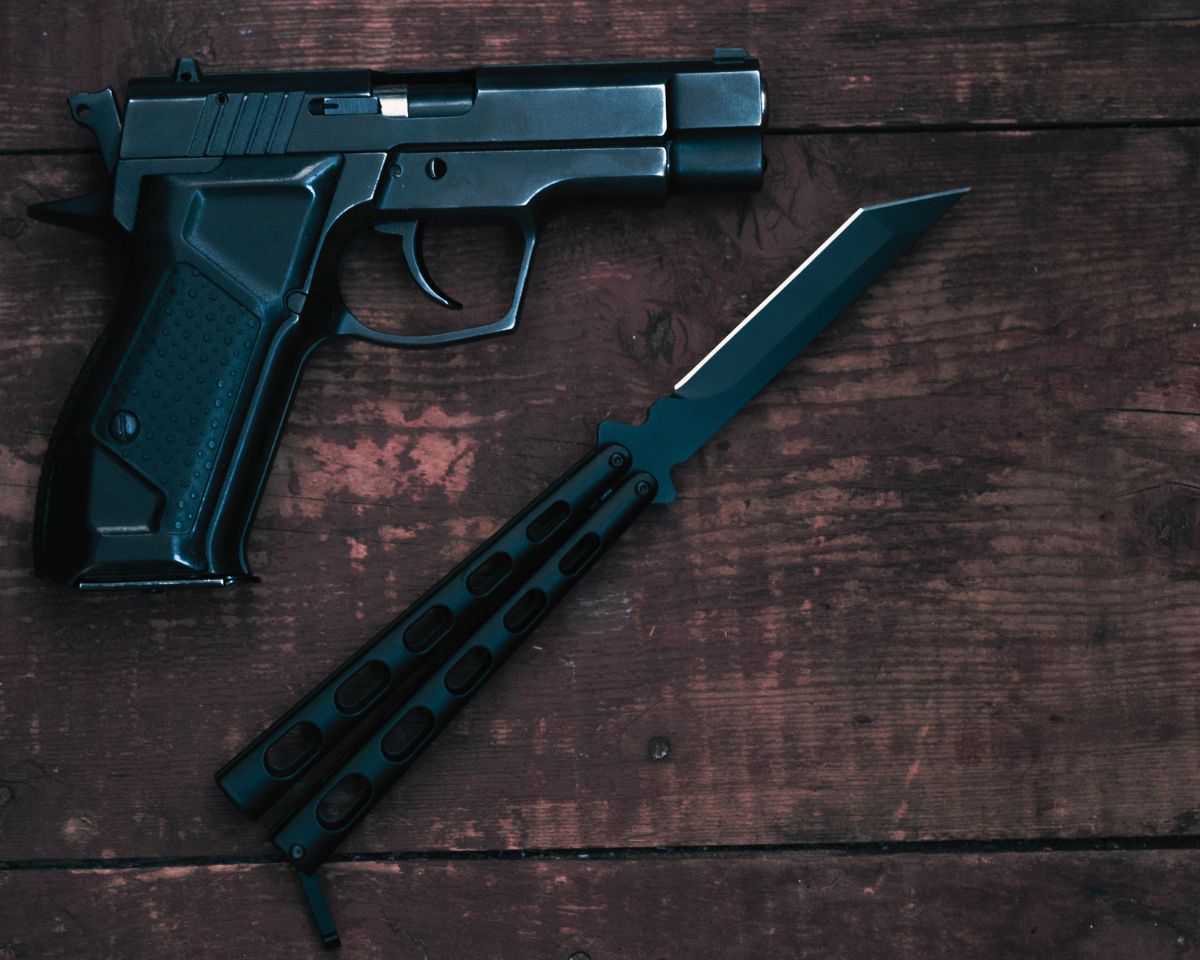
If you or a loved one is facing assault charges in California, it’s important to understand exactly what you’re up against. Two of the most serious types of assault are:
-
Assault With a Deadly Weapon (ADW) – Penal Code §245(a)(1)
-
Assault With a Firearm – Penal Code §245(a)(2)
While these charges may sound similar, they have distinct definitions, legal requirements, and penalties. Knowing the differences can help you navigate the criminal justice system more effectively and protect your rights.
This article breaks down the key distinctions between ADW and firearm assault, common defenses, and why securing skilled legal representation is critical.
Understanding Assault in California
Before comparing these two charges, it helps to know the general definition of assault. In California, assault occurs when someone attempts to use force against another person unlawfully and has the present ability to carry out that attempt. Notably, actual physical injury is not required for an assault charge. The law focuses on the intent and the ability to cause harm rather than the result.
What Is a Deadly Weapon?
Under California law, a deadly weapon is defined as any item naturally capable of causing serious injury or death, or any item used in a way that could cause serious injury or death.
Examples include:
-
Knives, bats, or clubs
-
Glass bottles, heavy tools, or construction equipment
-
Cars or other objects used to threaten or strike someone
Even everyday objects can be considered deadly weapons if used in a manner capable of causing severe harm.
What Is a Firearm?
A firearm is any device designed to expel a projectile through an explosive force. Examples include handguns, pistols, rifles, shotguns, and assault-style firearms.
For a firearm assault charge under Penal Code §245(a)(2), the weapon must be a real firearm. Items such as BB guns, airsoft guns, or toy guns may not qualify as firearms, though they could still be considered deadly weapons in certain circumstances.
Assault With a Deadly Weapon (PC 245(a)(1))
Assault With a Deadly Weapon occurs when someone commits an assault using any weapon other than a firearm, or uses force that could reasonably cause serious injury. This means even a strong physical attack without a weapon could qualify if it’s likely to produce significant harm.
ADW is a wobbler, meaning it can be charged as a misdemeanor or felony, depending on factors such as the weapon type, the extent of harm, and the defendant’s criminal record.
Misdemeanor ADW
-
Up to 1 year in county jail
-
Possible probation
-
Fines up to $1,000
Felony ADW
-
2–4 years in state prison
-
Potential fines up to $10,000
-
Possible “strike” under California’s Three Strikes Law
Assault With a Firearm (PC 245(a)(2))
Assault With a Firearm applies when someone commits an assault using a firearm, whether loaded or unloaded. The weapon does not need to be discharged, and the charge can apply even if the firearm is only used to threaten the victim.
Firearm assault charges also vary between misdemeanors and felonies based on the type of firearm and circumstances of the offense.
Misdemeanor Assault With a Firearm
-
Up to 1 year in county jail
-
Possible fines up to $1,000
-
Probation may be available
Felony Assault With a Firearm
-
2–4 years in state prison for standard firearms
-
Additional time for assault with certain types of firearms, like semiautomatics
-
Often considered a “strike” offense
Many firearm assault cases include mandatory minimums, meaning the judge cannot fully replace prison time with probation.
Key Differences Between ADW and Firearm Assault
| Factor | Assault With a Deadly Weapon | Assault With a Firearm |
|---|---|---|
| Weapon Type | Any deadly weapon other than a firearm | Any firearm |
| Charge Level | Misdemeanor or felony | Misdemeanor or felony |
| Potential Prison Time | 2–4 years (felony) | 2–4 years (felony), more for specific firearms |
| Mandatory Minimums | Rare | Common |
| Strike Offense | Possible | Often |
| Use of Weapon Required? | Yes, or severe force | Yes, firearm must be present |
Can Someone Be Charged With Both?
Prosecutors may file both ADW and firearm assault charges if a firearm was used in a manner that also qualifies as a deadly weapon. An experienced attorney can often challenge one of the charges or negotiate a reduction.
Common Defenses
Defending against these charges can be complex, but effective defenses may include self-defense or defense of others, demonstrating that the threat could not realistically be executed, showing a lack of intent, proving that the weapon does not meet legal criteria, or arguing that there is insufficient evidence to support the charges.
Immigration Consequences
Non-citizens face severe risks if convicted of either charge, including deportation, inadmissibility for visas, and denial of naturalization. Immediate legal representation is critical to protect immigration status.
Why These Charges Are Serious
Weapon-related assault charges can have long-term consequences, including significant prison or jail time, permanent criminal records affecting employment and housing, probation limitations and fines, and potential firearms restrictions. Even a single conviction can impact your life for years, making proper legal representation essential.
Contact Southwest Legal for Experienced Defense
Facing an Assault With a Deadly Weapon or Assault With a Firearm charge in Southern California is serious. At Southwest Legal, our team of skilled criminal defense attorneys provides aggressive defense strategies, case analysis and early intervention, negotiation for reduced charges, and representation in court to protect your rights. Don’t wait—your future is at stake. Contact us today for a confidential consultation and take the first step toward defending your rights.