


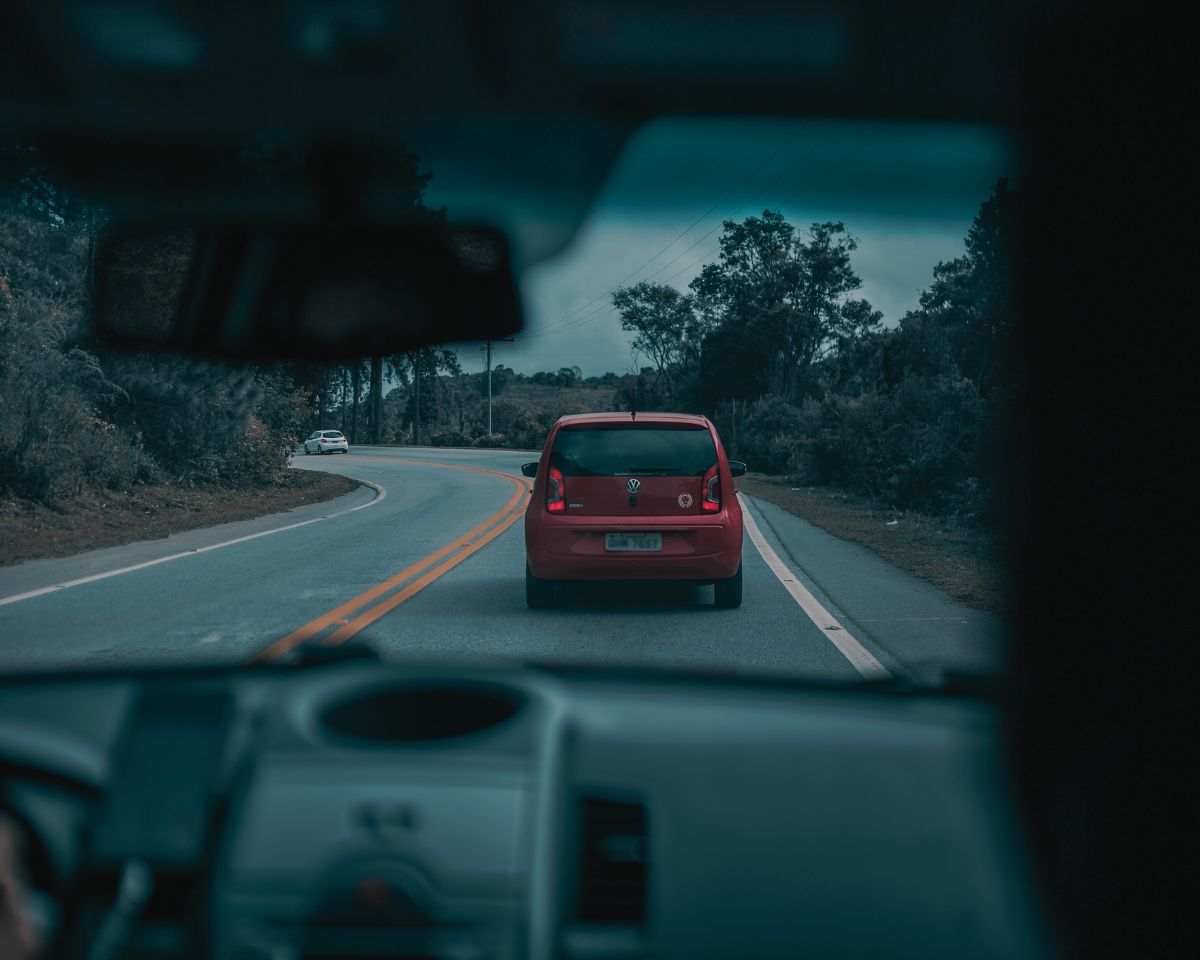
Passing another vehicle is one of the most common maneuvers drivers make on California roads—and one of the most misunderstood. Many traffic citations, accidents, and near-misses occur because drivers assume passing is allowed when it is not, or they misunderstand the rules governing how and where passing can be done safely.
California law addresses passing and overtaking vehicles in Vehicle Code sections 21750 through 21759. These laws are meant to reduce head-on collisions, side-swipe accidents, and pedestrian injuries by clearly defining when passing is legal, when it is prohibited, and what responsibilities both drivers have during the maneuver.
This guide explains those rules in clear, everyday language so drivers can better understand their rights and responsibilities on the road.
Understanding the Basics of Passing in California
At its core, California law assumes that passing is done on the left. Any deviation from that general rule—such as passing on the right or crossing into oncoming traffic lanes—comes with strict conditions.
The legality of passing depends on several key factors:
-
Visibility
-
Roadway markings
-
Traffic conditions
-
Location (intersections, hills, curves)
-
The type of vehicle being passed
If any one of these factors makes the maneuver unsafe, passing may be illegal—even if it seems convenient or briefly possible.
Passing on the Left: The General Rule
When one vehicle overtakes another traveling in the same direction, the law generally requires that the pass occur on the left side of the slower vehicle.
Drivers must pass at a safe distance and return to their original lane only after safely clearing the vehicle being overtaken. Cutting back too closely or forcing another driver to slow down or move is not permitted.
Passing on the left is only legal when:
-
The road ahead is clearly visible
-
There is no oncoming traffic close enough to create a hazard
-
The maneuver can be completed safely without speeding excessively
Passing does not give a driver permission to ignore speed limits or other traffic laws.
When Passing on the Left Is Illegal
California law places strict limits on when a driver may cross into the left side of the roadway.
Passing on the left is not allowed when:
-
The driver’s view is blocked by a hill or curve
-
The driver is approaching or within an intersection
-
The driver is near a railroad crossing
-
The driver is near a bridge, tunnel, or similar structure
-
The roadway is marked with solid yellow lines indicating a no-passing zone
These restrictions exist because limited visibility dramatically increases the risk of head-on collisions, which are among the most dangerous types of crashes.
Even if no oncoming traffic is visible at the moment, passing is still illegal in these situations because conditions can change too quickly to react safely.
Responsibilities of the Driver Being Passed
Passing laws don’t apply only to the driver doing the overtaking. The driver being passed also has legal responsibilities.
When another vehicle is legally passing:
-
The slower driver must not increase speed
-
The slower driver should remain in their lane and allow the pass to be completed safely
Speeding up to prevent a pass or drifting left to block another vehicle can turn a safe maneuver into a dangerous one—and may result in a traffic citation.
Passing on the Right: Limited and Conditional
Passing on the right is allowed in California, but only under specific circumstances. It is not a free-for-all, and many drivers misunderstand when it is legal.
Passing on the right may be allowed when:
-
The vehicle ahead is making or about to make a left turn
-
The roadway has multiple clearly marked lanes traveling in the same direction
-
The street is a one-way road
-
The highway is divided into separate roadways for opposing traffic
Even in these situations, the pass must be completed safely.
Passing on the right is never legal if it requires:
-
Driving on the shoulder
-
Leaving the paved roadway
-
Using an area not intended for vehicle travel
Using bike lanes, dirt shoulders, or emergency lanes to pass another vehicle can result in serious citations and liability if a collision occurs.
Safety Comes First—Even When Passing Is Allowed
Even when the law technically allows passing, safety remains the controlling factor. Drivers must always consider:
-
Speed differences
-
Road conditions
-
Weather
-
Pedestrians and cyclists
-
Traffic flow
If a pass creates risk—even briefly—it may still be considered unsafe driving.
Law enforcement officers often issue citations based not only on where a pass occurred, but on whether it was reasonable under the circumstances.
Passing Buses and Streetcars
Special rules apply when dealing with public transportation vehicles.
When a bus or streetcar is stopped to load or unload passengers:
-
Drivers are often required to stop behind it
-
In limited situations, drivers may proceed slowly and cautiously, watching for pedestrians
Passengers may cross in front of or behind these vehicles unexpectedly, making passing particularly dangerous.
Failing to yield to passengers can result in citations and increased liability if an injury occurs.
Passing Slow Vehicles on Hills and Grades
Rural roads and mountain highways present unique challenges.
When a vehicle is traveling at a very slow speed on an uphill grade:
-
Passing is restricted to prevent long, risky maneuvers
-
Drivers must be able to complete the pass quickly and safely
These rules exist to prevent drivers from spending extended time in oncoming traffic lanes, especially where visibility may be limited.
Passing Animals on the Roadway
Drivers must use extra caution when passing animals such as horses or livestock.
The law requires drivers to:
-
Reduce speed when necessary
-
Stop if needed to avoid frightening the animal
-
Follow signals given by the animal’s handler or rider
Animals can react unpredictably to engine noise and sudden movement, creating danger for drivers and riders alike.
Penalties for Illegal Passing
Violating California’s passing laws is usually charged as a traffic infraction. However, the consequences can still be significant.
Potential penalties include:
-
Traffic fines
-
A point added to your driving record
-
Increased insurance premiums
If illegal passing results in a collision, penalties can escalate and may include civil liability for injuries or property damage.
Multiple violations can also contribute to a negligent operator designation by the DMV, putting a driver’s license at risk.
Common Myths About Passing
“If I can see far enough, it’s legal.”
Not always. Location matters just as much as visibility.
“Passing on the right is always allowed on multi-lane roads.”
Only if the roadway is properly designed and the maneuver is safe.
“Speeding briefly to pass is okay.”
Speed limits still apply during passing.
“If no one is around, it’s fine.”
Traffic laws apply regardless of traffic volume.
How to Protect Yourself as a Driver
To avoid citations and accidents:
-
Follow road markings
-
Never assume another driver will behave predictably
-
Be patient with slow traffic
-
Avoid passing when conditions are uncertain
-
Remember that convenience never outweighs safety
Final Thoughts
California’s passing laws are designed to protect everyone on the road—drivers, passengers, cyclists, pedestrians, and even animals. Understanding when passing is legal, when it is prohibited, and how to perform it safely can help you avoid costly tickets and serious accidents. If you have received a traffic citation for illegal passing or unsafe driving, understanding your legal options is critical.
Call to Action
If you or someone you know has been cited for a passing-related traffic violation in Southern California, Southwest Legal can help you understand your rights and explore your defense options. Contact us today for experienced guidance, personalized attention, and strong advocacy focused on protecting your driving record and your future.