


Driving under the influence (DUI) is a serious offense in California, carrying heavy legal consequences including fines, license suspension, and possible jail time. Many people assume that DUI charges only apply when a vehicle is moving. However, in California, you can face DUI charges even in a parked car, depending on the circumstances. This guide explores when police can establish probable cause, what “actual physical control” means, and strategies to protect your rights.
What Is Considered DUI in California?
In California, a DUI occurs when a person operates a vehicle while impaired by alcohol, drugs, or a combination of both. A person is legally considered impaired if their blood alcohol concentration (BAC) reaches 0.08% or higher. DUI laws also cover impairment from prescription drugs, recreational substances, or illegal narcotics.
To be charged with a DUI, two elements are critical:
-
Driving or being in “actual physical control” of the vehicle, and
-
Being under the influence at that time.
The question becomes more nuanced when the vehicle is not moving. Does sitting in a parked car count as being in control of a vehicle for DUI purposes? The answer is: it depends on the facts and evidence available to law enforcement.
Can You Get a DUI in a Parked Car?
Yes, in California, it is possible to be arrested for DUI in a parked car if police have probable cause to believe that you were driving while intoxicated or were about to drive. The key legal concept here is “actual physical control”, which is broader than simply operating the vehicle.
Actual Physical Control
A person is considered to have actual physical control of a vehicle if:
-
They are seated in the driver’s seat or another position allowing them to operate the vehicle.
-
They have access to the ignition key or the ability to start the car.
-
The vehicle could be easily moved, suggesting the potential for driving.
Police officers typically look for factors such as:
-
Sitting in the driver’s seat rather than the back seat.
-
Keys being within reach, whether in the ignition, on the seat, or in your possession.
-
Engine running or recently turned off, indicating possible recent driving or imminent operation.
-
Vehicle positioned in a public roadway or parking area, not strictly private property.
Even if the engine is off, officers may still determine probable cause if there is evidence that you recently drove or intended to drive while impaired.
Probable Cause and Its Role in DUI Arrests
What Is Probable Cause?
Probable cause is a legal standard that allows an officer to make an arrest when there is reasonable belief a crime has occurred or is occurring. Without probable cause, a DUI arrest can be challenged in court and may be dismissed.
For a DUI arrest, two stages are critical:
-
Reasonable suspicion to investigate, and
-
Probable cause to arrest.
In moving vehicle cases, erratic driving or traffic violations provide obvious grounds. In parked car situations, officers must rely on other observable factors, making the analysis of probable cause more complex.
Common Scenarios for DUI Arrests in Parked Cars
Several situations may lead to DUI charges even when the car is not moving:
1. Driver in Seat With Keys or Engine On
Being in the driver’s seat with keys nearby or the engine running can create the impression of actual physical control, which may justify probable cause for a DUI arrest.
2. Evidence of Recent Movement
Warm engines, fresh tire marks, or vehicles positioned in unusual locations may suggest recent driving, providing grounds for arrest.
3. Witness Reports of Suspicious Driving
If someone reports reckless driving followed by parking, officers may have probable cause based on witness testimony, even if the car is stationary.
4. Signs of Impairment
Strong alcohol odor, slurred speech, stumbling, or other signs of intoxication can support a police officer’s decision to investigate or arrest.
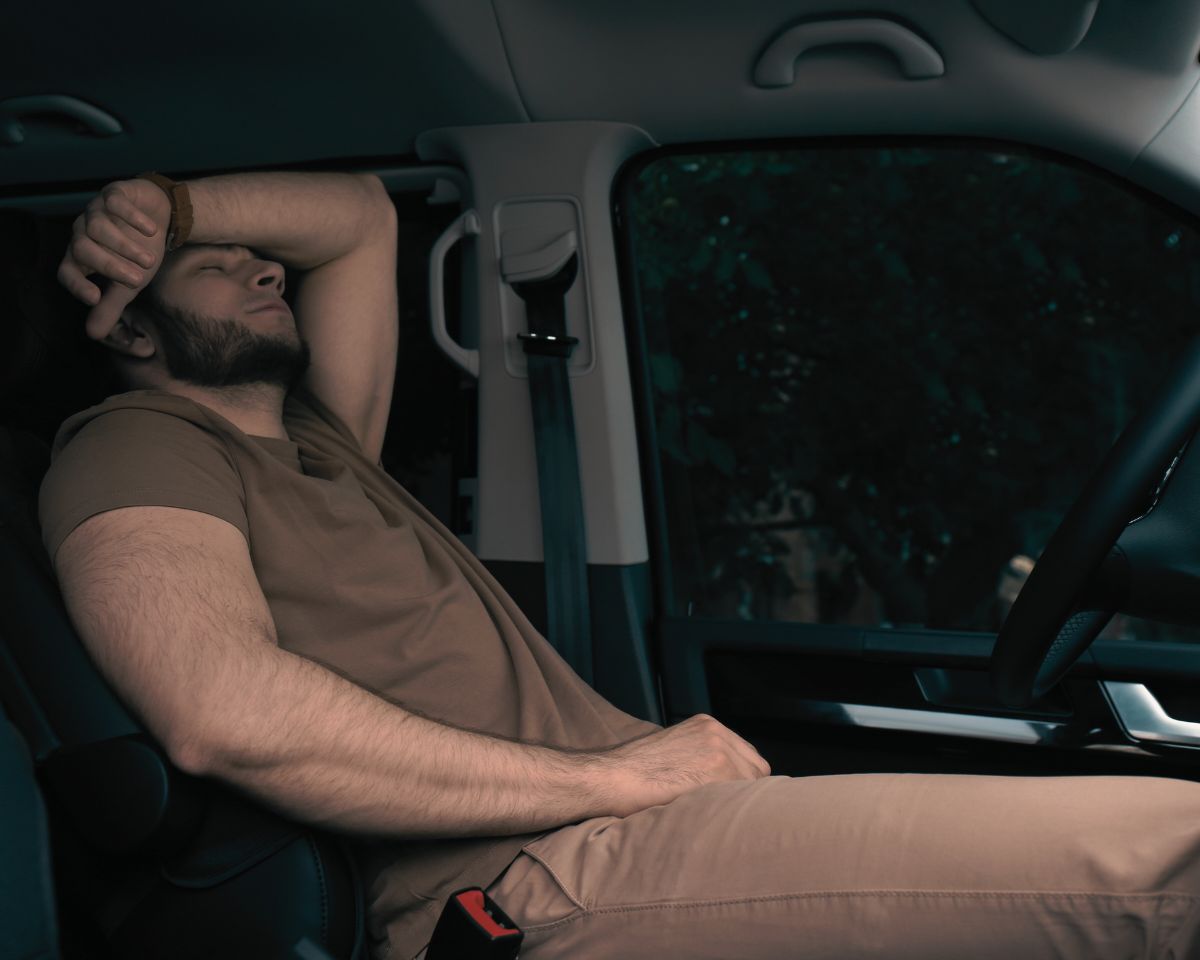
Sleeping in a Parked Car and DUI
Many drivers mistakenly believe that sleeping in a parked car eliminates DUI risk. This is not automatically true. The key factors include:
-
Location of keys: Are they accessible?
-
Position in the car: Driver’s seat or another location?
-
Recent driving evidence: Engine warmth or tire marks.
Sleeping in the back seat, with keys out of reach, on private property, often reduces or eliminates probable cause for a DUI, though each case depends on specific circumstances.
Legal Defenses for DUI in a Parked Car
If you are arrested for DUI while in a parked car, there are several potential defenses:
1. Lack of Actual Physical Control
Showing that you were not in control of the vehicle—for example, sitting in the back seat, keys not accessible, or clearly not intending to drive—can be a strong defense.
2. Lack of Probable Cause
If an officer had no reasonable factual basis for believing a DUI offense occurred, this may violate your Fourth Amendment rights. A motion to suppress evidence can sometimes dismiss charges.
3. Drinking After Parking
If you drove sober and only consumed alcohol after parking, the prosecution must prove impairment while operating the vehicle, which can be difficult to establish.
4. No Intent to Drive
Even if keys are present, evidence that you had no intent to drive—such as preparing to sleep or waiting for a ride—can be relevant in your defense.
Special Considerations in Parked Car DUI Cases
Implied Consent and BAC Testing
California law requires drivers to submit to chemical testing when lawfully arrested for DUI. Refusal can result in automatic DMV penalties even if criminal charges are later dismissed.
Administrative Penalties
Driver’s license suspension or revocation can occur independently of a criminal DUI case, based on BAC results or refusal to submit to testing.
Local Ordinances
Some cities have laws against sleeping or loitering in vehicles, which can result in police contact that escalates to a DUI investigation if other factors are present.
Practical Tips if Stopped in a Parked Car
-
Stay calm and polite: Avoid confrontation with law enforcement.
-
Exercise your right to remain silent: Do not admit guilt or explain your situation.
-
Do not consent to a search: You can refuse a vehicle search politely.
-
Seek legal representation immediately: A qualified DUI attorney can challenge probable cause and procedural errors.
Conclusion
Can police establish probable cause for a DUI in a parked car in California?
Yes, if there are factual circumstances suggesting you were driving under the influence or had the ability and intent to drive while impaired. Factors such as driver position, keys accessibility, engine status, and signs of impairment are critical in determining probable cause.
Not every parked car situation will lead to a valid DUI arrest. Defenses exist, including lack of actual physical control, lack of probable cause, or evidence that alcohol consumption occurred after parking. Each case is unique, making legal guidance essential.
If you are facing a DUI charge in a parked vehicle, contact Southwest Legal today to speak with an experienced DUI defense attorney who can protect your rights and explore your defense options.