


Being arrested for driving under the influence (DUI) in California is a stressful and confusing experience. After the flashing lights, field sobriety tests, and arrest, you are faced with an important decision that many drivers don’t fully understand at the moment it matters most: Should you submit to a breath test or a blood test?
Under California law, this choice can have a direct impact on your DUI case, your driver’s license, and the defense strategies available to your attorney. While you are legally required to submit to chemical testing after a lawful DUI arrest, the type of test you choose can influence how evidence is collected, challenged, and presented in court.
This article explains the differences between breath and blood tests, how California’s DUI laws apply, and why your decision may affect the outcome of your case.
California’s Implied Consent Law Explained
California operates under what is known as the implied consent law. By driving on California roads, you automatically agree to submit to chemical testing if you are lawfully arrested on suspicion of DUI.
Once arrested, a police officer must request that you take a chemical test to determine your blood alcohol concentration (BAC). In most cases, you will be offered a choice between a breath test or a blood test. Urine testing is generally reserved for special situations and is far less common.
Importantly, refusal to take a chemical test after arrest carries mandatory penalties, regardless of whether you are later convicted of DUI. These penalties are administrative and imposed by the Department of Motor Vehicles (DMV), separate from your criminal case.
What Happens If You Refuse a Chemical Test?
Refusing to take a breath or blood test is rarely a good idea in California. A refusal triggers automatic consequences that can include:
-
A longer driver’s license suspension or revocation
-
No eligibility for a restricted license in many cases
-
Increased penalties if you are convicted of DUI
-
The refusal being used as evidence against you in court
Even worse, refusal does not necessarily prevent the police from obtaining chemical evidence. Officers may seek a warrant to draw your blood anyway, meaning you could face both refusal penalties and chemical test evidence.
Because of these risks, understanding the differences between breath and blood tests is far more valuable than refusing altogether.
Understanding Breath Tests in DUI Cases
How Breath Tests Work
A breath test estimates your BAC by analyzing alcohol content in your breath. The law assumes a specific ratio between alcohol in your breath and alcohol in your blood. Based on this ratio, the machine calculates a BAC number.
Breath testing equipment is commonly used at police stations or in mobile testing units after arrest.
Advantages of Breath Tests
-
Non-invasive
-
Quick to administer
-
Results are available immediately
-
No needles or medical personnel required
Because of their convenience, breath tests are frequently used in DUI arrests involving alcohol only.
Potential Problems With Breath Tests
Breath tests are not perfect and can be vulnerable to challenge. Common issues include:
-
Improper calibration or maintenance of the testing device
-
Operator error or lack of proper training
-
Residual alcohol in the mouth from burping, vomiting, or dental work
-
Medical conditions such as acid reflux or respiratory disorders
-
Environmental factors or software errors
Because breath tests rely on assumptions rather than direct measurement of blood alcohol, their accuracy can sometimes be questioned. An experienced DUI attorney can examine records and procedures to determine whether the test results are reliable.
Understanding Blood Tests in DUI Cases
How Blood Tests Work
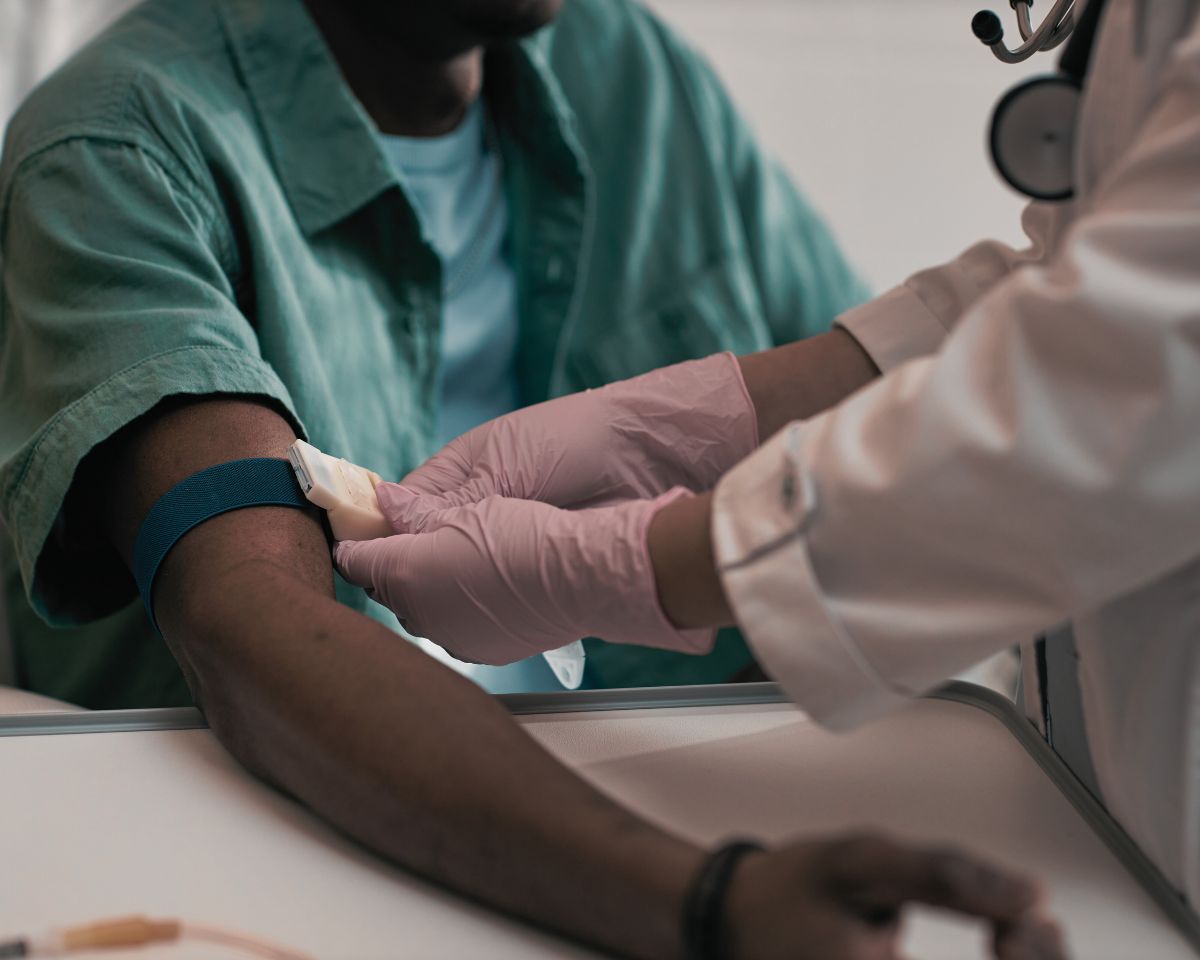
A blood test directly measures the amount of alcohol (and potentially drugs) present in your bloodstream. Blood samples are typically drawn by trained medical personnel and sent to a laboratory for analysis.
Blood testing can detect:
-
Alcohol concentration
-
Prescription medications
-
Illegal drugs
-
Cannabis or other controlled substances
Advantages of Blood Tests
-
Measures actual blood alcohol level
-
Can detect drugs in addition to alcohol
-
Often viewed as more scientifically precise
Because blood tests measure alcohol directly, prosecutors often view them as strong evidence in DUI cases.
Potential Problems With Blood Tests
Although blood tests are considered more accurate, they are not immune to error. Issues that may affect blood test reliability include:
-
Improper handling or storage of the sample
-
Contamination
-
Mislabeling or chain-of-custody errors
-
Delays between driving and blood draw
-
Laboratory testing mistakes
Blood samples must be handled carefully and preserved correctly. If procedures are not followed exactly, the results may be challenged or even excluded.
Breath Test vs. Blood Test: How the Choice Affects Your Defense
1. Strength of Evidence
Breath test results can be easier to challenge due to mechanical and physiological variables. Blood test results tend to carry more weight with judges and juries, but that does not make them unbeatable.
Each type of test presents different defense opportunities, and the best approach depends on the specific facts of your case.
2. Timing Issues
Blood alcohol levels change over time. Alcohol continues to absorb into the bloodstream after driving stops. If there is a delay before a blood draw, your BAC at the time of testing may be higher than it was while you were driving.
This timing issue can sometimes support a defense argument that your BAC was below the legal limit while driving.
3. Drug Allegations
If an officer suspects drug impairment, a blood test may be required regardless of your preference. Breath tests do not detect drugs, so blood testing is often used in DUI cases involving prescription medications, marijuana, or other substances.
Administrative vs. Criminal Consequences
Many drivers are surprised to learn that DUI cases involve two separate legal processes:
-
Criminal court case – Determines guilt, penalties, fines, and possible jail time
-
DMV administrative action – Determines whether your driver’s license is suspended
Chemical test results (or refusals) affect both processes. You typically have only 10 days from the date of arrest to request a DMV hearing to challenge a license suspension. Missing this deadline can result in automatic loss of driving privileges.
Is There Ever a “Better” Choice?
There is no universal answer to whether a breath test or blood test is better. The “right” choice depends on many factors, including:
-
Whether drugs may be involved
-
Your medical conditions
-
The circumstances of the arrest
-
The timing of alcohol consumption
-
The quality of law enforcement procedures
What matters most is how your attorney uses the evidence. A skilled DUI defense lawyer can identify weaknesses, challenge improper procedures, and protect your rights regardless of which test you took.
Why Legal Representation Matters
DUI law in California is highly technical. Small procedural mistakes can make a big difference in the outcome of a case. Without experienced legal representation, drivers often miss opportunities to:
-
Suppress unreliable chemical test results
-
Challenge unlawful arrests
-
Protect their driver’s license
-
Negotiate reduced charges or penalties
Early intervention by a knowledgeable DUI attorney is often the key to achieving the best possible result.
Key Takeaways
-
California law requires chemical testing after a lawful DUI arrest
-
You generally may choose between a breath test or blood test
-
Refusing testing carries serious automatic penalties
-
Breath tests may be easier to challenge but rely on assumptions
-
Blood tests are more direct but still subject to procedural errors
-
Your choice can influence defense strategies, but it does not determine guilt
Speak With Southwest Legal About Your DUI Case
If you or a loved one has been arrested for DUI in California, the decisions made early in the process matter. Whether you took a breath test, a blood test, or are facing refusal allegations, having the right legal team on your side can make a significant difference.
Southwest Legal is committed to protecting your rights, your freedom, and your future. Our experienced DUI defense attorneys understand California DUI laws, chemical testing procedures, and DMV hearings—and we know how to challenge the evidence used against you. Contact us today for a free, confidential consultation. Let us review your case, explain your options, and fight for the best possible outcome.