


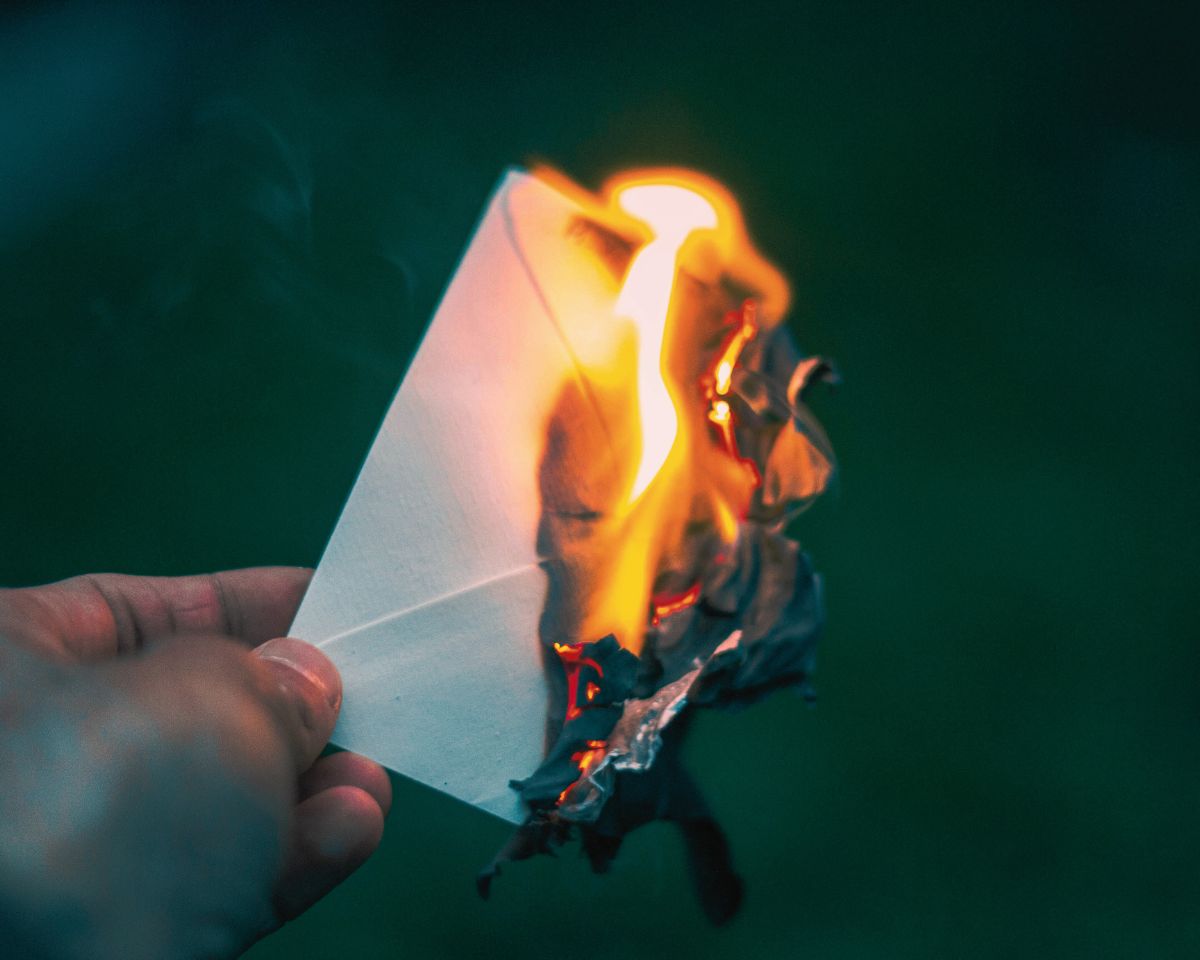
Few situations are more frightening than being associated with a fire that causes damage — especially when it was never meant to happen. In California, where fires are heavily regulated and aggressively investigated, people often worry that any fire could automatically lead to arson charges.
That fear is understandable, but it is not always legally accurate.
California law makes a critical distinction between intentional wrongdoing, dangerous behavior, and true accidents. Whether someone can be charged with arson after an accidental fire depends on intent, behavior leading up to the fire, and what investigators believe can be proven.
This article explains how accidental fires are treated under California law, when criminal charges may still apply, and what options may exist if you are under investigation.
Accidental Fires Are Not Automatically Crimes
The starting point is an important one: fires can happen without criminal intent.
Cooking mishaps, equipment failures, electrical problems, and unexpected flare-ups occur every day. California law does not criminalize accidents simply because damage occurred. Criminal charges require proof of blameworthy conduct, not just bad outcomes.
However, because fires can cause serious harm, authorities almost always investigate. The key legal question becomes why the fire started — not just what happened afterward.
How California Determines Criminal Responsibility for a Fire
When a fire occurs, investigators and prosecutors look beyond surface facts. Their analysis usually centers on three main questions:
-
Was the fire deliberately started?
-
Did the person knowingly ignore a serious fire risk?
-
Was the fire caused despite reasonable care being taken?
Each of these questions leads to a very different legal outcome.
When an Accidental Fire Does NOT Lead to Arson Charges
Arson in California requires more than causing a fire. It requires purposeful conduct combined with wrongful intent. If either element is missing, arson charges should not apply.
Examples of situations that typically do not qualify as arson include:
-
A household appliance malfunctioning without warning
-
Electrical wiring failure in a home or building
-
A candle tipping over despite being placed normally
-
A fire caused by mechanical failure of tools or machinery
-
A cooking fire that spreads unexpectedly
In these scenarios, the person did not decide to start a fire, nor did they act with an intent to cause damage. Even if the fire spreads or causes significant loss, arson charges are generally inappropriate when intent is absent.
Why Some “Accidents” Still Lead to Criminal Charges
While accidents alone are not crimes, behavior before the fire matters.
California law recognizes that people can cause serious fires not because they wanted to — but because they took unreasonable risks. In these cases, prosecutors may pursue charges even when the fire was unintended.
This often happens when authorities believe the person:
-
Knew conditions were dangerous
-
Ignored clear warnings or restrictions
-
Failed to follow basic fire safety rules
-
Continued risky behavior despite obvious danger
In those situations, the issue is not intent — it is responsibility.
The Legal Difference Between an Accident and Recklessness
A true accident occurs when a person exercises reasonable care, yet a fire happens anyway.
Recklessness, on the other hand, involves conscious risk-taking.
Examples of conduct that may be viewed as reckless include:
-
Using open flames during high fire danger conditions
-
Operating spark-producing equipment near dry vegetation
-
Leaving fire sources unattended in risky environments
-
Burning materials without proper clearance or safety measures
In these cases, prosecutors may argue that while the fire was not intentional, it was foreseeable and preventable.
Why Intent Still Matters — Even in Serious Fires
One of the most common misconceptions is that damage alone determines criminal liability. In reality, intent and conduct matter more than the outcome.
A small intentional fire can be treated more severely than a large accidental one.
This means:
-
A devastating fire caused by unforeseeable failure may not be criminal
-
A smaller fire caused by reckless behavior may lead to charges
California law focuses on human decision-making, not just consequences.
Fire Investigations and the Risk of Misinterpretation
Fire investigations rely on technical analysis, timelines, burn patterns, and witness statements. While often thorough, they are not immune to error.
Accidental fires can sometimes be misclassified as suspicious due to:
-
Incomplete information
-
Faulty assumptions about burn patterns
-
Missing context about mechanical or electrical failures
-
Overreliance on circumstantial evidence
Because of this, people may find themselves under scrutiny even when they did nothing wrong.
This is why early legal representation is crucial — especially before giving detailed statements.
What Happens If Investigators Believe the Fire Was Accidental?
If evidence supports that a fire was accidental and not the result of reckless behavior, several outcomes are possible:
-
No criminal charges are filed
-
The investigation concludes without referral to prosecutors
-
The matter remains limited to insurance or civil issues
Even in these cases, documentation and legal guidance can be important to ensure misunderstandings do not escalate into criminal accusations.
Criminal Exposure vs. Civil Responsibility
It is also important to understand that criminal liability and civil liability are separate.
A person may:
-
Avoid criminal charges entirely
-
Still face financial responsibility through lawsuits or insurance claims
Civil cases operate under different standards and do not require proof of criminal intent. This distinction often surprises people who believe avoiding arrest means the matter is fully resolved.
Common Questions About Accidental Fires in California
Can I be arrested while investigators are still determining the cause?
Yes, but arrests usually occur only when authorities believe criminal conduct is likely. Early legal involvement can reduce this risk.
Should I cooperate fully with investigators?
You can cooperate without waiving your rights. Speaking with an attorney before detailed questioning is often wise.
Does an accidental fire stay on my record?
If no charges are filed, there is typically no criminal record. Arrests or citations may still appear unless properly addressed.
Can charges be reduced if intent is unclear?
Yes. Many fire-related cases hinge on proving mental state. When intent cannot be shown, charges may be reduced or dismissed.
Why These Cases Require Experienced Legal Help
Fire-related investigations move quickly and involve multiple agencies. Statements made early — even innocent ones — can shape how intent is interpreted later.
Legal guidance can help:
-
Prevent accidental self-incrimination
-
Challenge assumptions about causation
-
Clarify the difference between accident and recklessness
-
Protect against overcharging
Waiting until charges are filed often limits options.
Final Thoughts
In California, you generally cannot be convicted of arson if a fire was truly accidental. Arson requires intent and wrongful purpose — not just a bad outcome. However, accidental fires can still carry legal consequences if authorities believe dangerous behavior played a role.
Understanding how intent, risk, and responsibility intersect is essential when navigating any fire-related investigation.
Call to Action: Talk to Southwest Legal Today
If you are being investigated, questioned, or charged after a fire — even one you believe was accidental — do not assume the system will sort it out on its own. Southwest Legal provides experienced criminal defense for fire-related cases across Southern California. Their team understands how prosecutors analyze intent, how fire investigations work, and how to protect clients from unnecessary or excessive charges. Contact us today for a confidential consultation and get clarity, protection, and experienced legal advocacy when it matters most.