


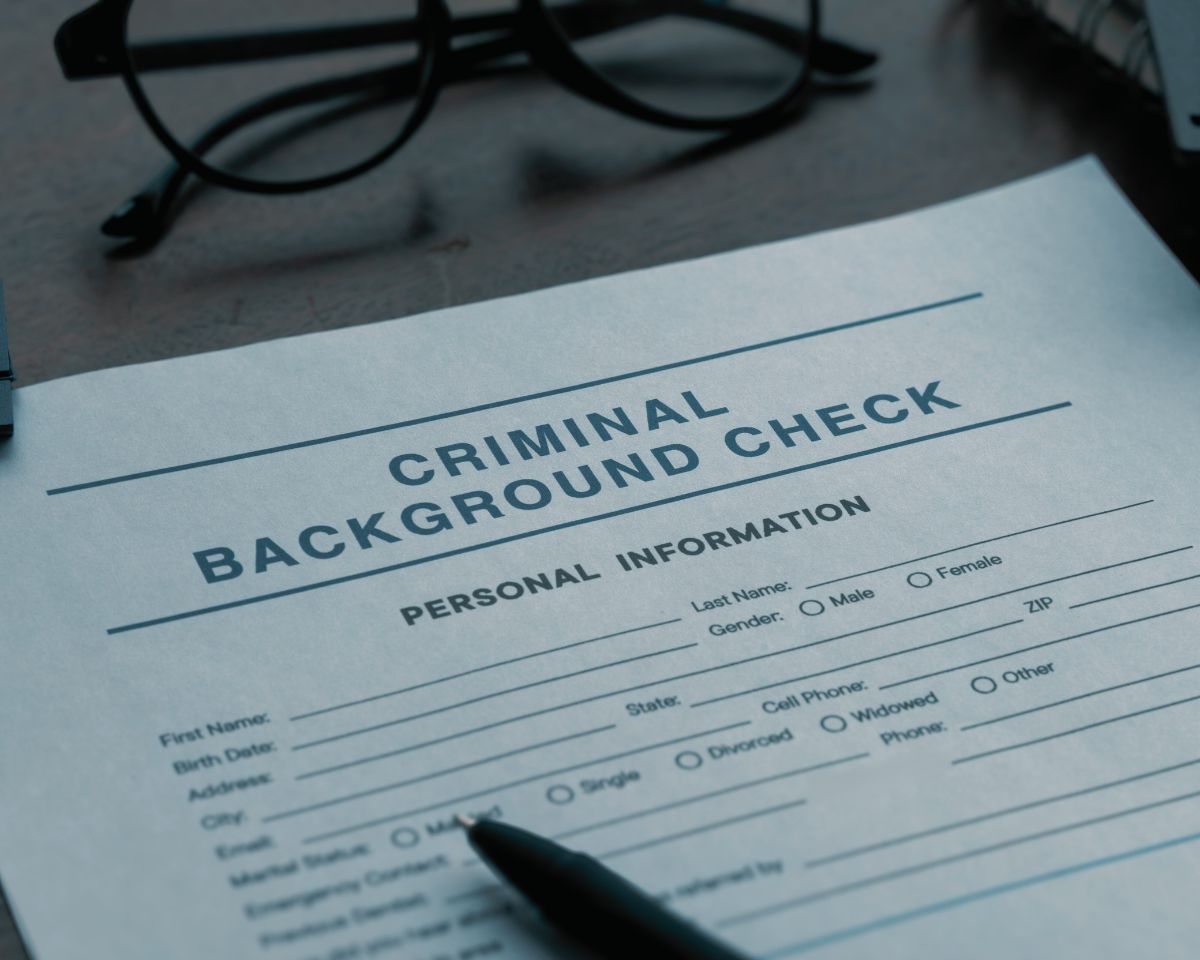
Criminal background checks are a common part of modern life. Whether you’re applying for a job, renting a home, seeking professional licenses, or volunteering, a background check is often required. In California, the rules around these checks are complex, and understanding them is crucial to protecting your rights.
This guide will provide the information you need to navigate criminal background checks in California with confidence.
What Is a Criminal Background Check?
A criminal background check is an examination of an individual’s criminal history, often used by employers, landlords, or licensing agencies. In California, these checks may include:
-
Arrest records – Records of arrests, even if they did not result in a conviction.
-
Convictions – Records of guilty pleas or convictions in state or federal courts.
-
Misdemeanors and felonies – Depending on the reporting agency, both types may appear.
-
Probation or parole information – Some checks show active supervision status.
-
Pending charges – Certain checks may display charges that have not yet been resolved.
Understanding what can and cannot appear on these reports is the first step in protecting your rights.
California Laws Governing Background Checks
California has some of the most protective laws in the nation regarding criminal records. These laws are designed to help individuals move forward without being unfairly penalized for past mistakes.
1. The Fair Chance Act (Ban-the-Box Law)
California’s Fair Chance Act prohibits most employers from asking about criminal history on job applications. Questions about convictions can only be raised after a conditional offer has been made.
2. Consumer Reporting and Background Check Regulations
California law requires companies that perform background checks to get your written consent and provide disclosure before accessing your criminal history.
3. Limitations on Reporting Convictions
-
Non-conviction records, like arrests without conviction, are generally not reportable for employment purposes.
-
Expunged or dismissed cases typically should not appear in employment background checks.
-
Certain old convictions may be excluded from consideration depending on the type of job.
4. Federal Protections
The Fair Credit Reporting Act (FCRA) also applies, ensuring individuals are notified if a background report is used to take adverse action against them, such as denying employment.
Who Conducts Criminal Background Checks?
Background checks can be requested by:
-
Employers – To assess suitability for employment.
-
Landlords and property managers – To screen tenants.
-
Volunteer organizations – Especially for positions involving children, seniors, or vulnerable populations.
-
Government agencies – For licensing or security clearances.
Many background checks are performed by third-party agencies that compile public records into a report.
What Shows Up on a Criminal Background Check?
The content of a criminal background check varies but may include:
-
Felonies and misdemeanors – Convictions from California or other states.
-
Arrest records – Depending on timing and reporting restrictions.
-
Incarceration history – Time spent in jail or prison.
-
Sex offender registry status – Publicly available records of registered offenders.
Important: Arrests that did not result in convictions and expunged cases generally cannot be used against you in employment or housing decisions under California law.
How Criminal Background Checks Affect Employment
Employers use background checks to make hiring decisions. California law places restrictions on their use:
-
Timing: Criminal history cannot be requested until a conditional job offer has been made.
-
Individualized Assessment: Employers must consider the nature of the offense, how long ago it occurred, and its relevance to the job.
-
Notice and Response: You must be given a copy of the report and an opportunity to dispute inaccuracies before adverse action is taken.
These laws ensure that individuals are not automatically disqualified based on past mistakes, especially older or minor offenses.
Expungement and Record Sealing in California
California allows certain convictions to be expunged or sealed, which can greatly improve your opportunities.
-
Expungement: After completing probation, many convictions can be dismissed, allowing you to legally state the case was dismissed.
-
Sealing of Juvenile Records: Juvenile convictions may be sealed under certain circumstances, making them mostly invisible to background checks.
-
Certificates of Rehabilitation: For more serious offenses, this certificate can restore civil rights and improve employment prospects.
Consulting a criminal defense attorney is critical to determine eligibility and properly file for expungement or sealing.
Tips to Protect Yourself During a Background Check
-
Know Your Record: Obtain your criminal record from the California Department of Justice to see what employers or landlords may find.
-
Correct Errors: Mistakes in records are common. Take steps to correct any inaccuracies.
-
Be Honest: Misrepresentation can cause more harm than disclosure. Explaining your record and showing rehabilitation is often the best approach.
-
Seek Legal Advice: A criminal defense attorney can guide you through expungement, dispute inaccurate reports, and advise on your rights.
Common Questions About Criminal Background Checks
Q: Can an employer reject me for a dismissed case?
A: No. California law prevents employers from considering arrests without conviction or expunged cases when making employment decisions.
Q: How far back do background checks go in California?
A: It depends on the type of check. Most focus on convictions in the last 7–10 years, though certain positions may require a full history.
Q: Are online background check websites accurate?
A: Not always. Many commercial sites are outdated or contain errors. Official records from the California Department of Justice are the most reliable source.
Q: Can I get a job with a felony?
A: Yes. Employers must conduct an individualized assessment considering rehabilitation, time passed, and the relevance of the offense.
Conclusion
Criminal background checks in California can feel overwhelming, but understanding your rights and options can make the process easier to navigate.
California law provides important protections for people with criminal records, including safeguards related to employment, housing, and professional licensing. If you are concerned about how your record may affect your opportunities, knowing what protections apply to you can help you take the right next steps.
Contact Southwest Legal
If you have a criminal record or are concerned about how it may affect your employment, housing, or professional opportunities, Southwest Legal can help. Our experienced criminal defense attorneys can help you understand your record, explore options for expungement or record sealing, and navigate background-check concerns with greater confidence.
Don’t let a criminal record stand in the way of your future. Contact us today for a free consultation and learn about your legal options.
Disclaimer: This article is for general informational purposes only and does not constitute legal advice or create an attorney-client relationship. No attorney-client relationship is formed unless and until the firm and client enter into an agreement for legal services. Laws may change, and legal outcomes depend on the specific facts of each case. Consult a qualified attorney for advice regarding your situation.