


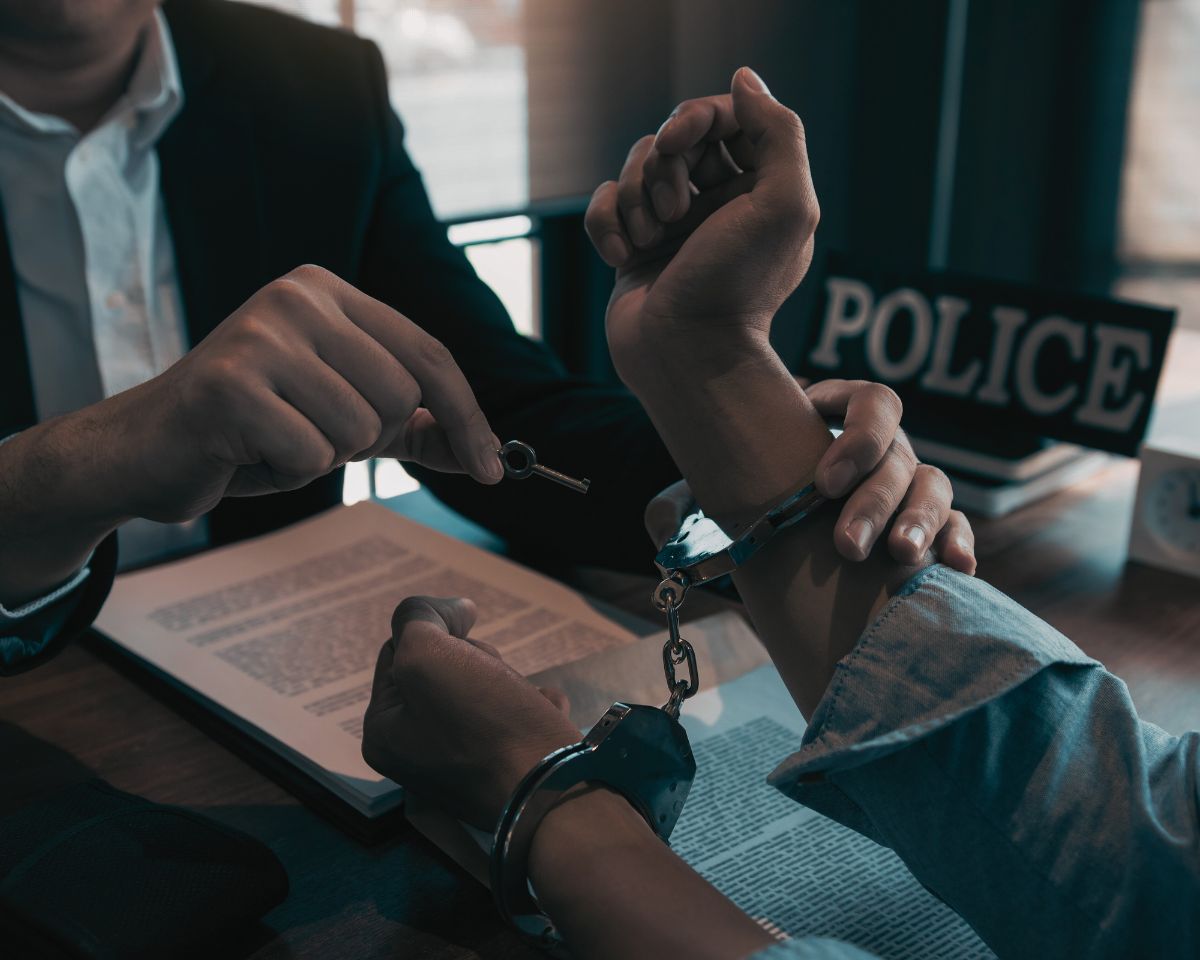
Probation offers individuals a second chance—a way to serve a sentence under supervision in the community instead of incarceration. While it can be an opportunity to rebuild your life, probation comes with strict rules, and a single misstep can result in a probation violation. If you’re facing your first violation, it’s normal to feel anxious and uncertain. Understanding the process, potential consequences, and your legal options is essential for protecting your rights and future.
What Is a Probation Violation?
A probation violation occurs when someone fails to comply with the terms set by the court. Common probation conditions include:
Checking in regularly with a probation officer
Submitting to drug or alcohol testing
Attending counseling, treatment, or rehabilitation programs
Maintaining employment or school enrollment
Avoiding criminal activity and restricted contacts
Violating any of these conditions, whether intentionally or accidentally, can trigger a probation violation. Probation violations are generally classified as:
Technical violations – Failing to follow rules without committing a new crime (e.g., missing a meeting or failing a test).
Criminal violations – Committing a new offense while on probation, which can carry more severe penalties.
How Probation Violations Are Detected
Probation officers are responsible for monitoring compliance. Violations may be discovered through:
Missed appointments or late reporting
Failed drug or alcohol tests
Law enforcement reports
Participation in court-ordered programs
Community complaints or tips
Even minor infractions can be reported to the court, making it essential to comply fully with all probation terms.
What Happens After a Probation Violation?
When a violation is detected, the court may schedule a probation violation hearing. The process typically involves:
Notice of Violation: You will be formally notified of the alleged violation.
Hearing: The court will review evidence, and you have the right to present your side, provide documentation, or call witnesses.
Judicial Decision: The judge determines whether a violation occurred.
Consequences: If a violation is confirmed, the court may impose penalties ranging from warnings to jail time.
Potential Consequences of a First Probation Violation
Consequences depend on the nature of the violation, your criminal history, and local laws. Possible outcomes include:
Warnings or counseling – Courts may provide guidance without additional penalties.
Extended probation – Your probation period may be lengthened.
Increased supervision – More frequent check-ins or stricter conditions may be imposed.
Fines or restitution – Monetary penalties could be added.
Incarceration – Serious violations may result in jail or prison time, even for first offenses.
How a Criminal Defense Attorney Can Help
A skilled attorney can significantly improve your chances of a favorable outcome. Legal assistance can:
Review the alleged violation and determine if it is valid
Negotiate with the court for reduced penalties or alternative programs
Gather evidence, witnesses, or documentation to support your defense
Ensure proper legal procedures are followed and your rights are protected
Steps to Take Immediately if You Face a Violation
If you are accused of violating probation, acting quickly is critical:
Contact an attorney immediately – Early legal guidance can shape your defense strategy.
Document everything – Keep records of meetings, payments, and compliance with programs.
Be honest with your attorney – Transparency helps build the strongest defense.
Follow all current probation rules – Continued compliance demonstrates responsibility to the court.
Avoid new legal trouble – Additional offenses can worsen your situation.
Common Myths About First Probation Violations
Understanding the truth can prevent unnecessary stress:
Myth: “First violations are ignored.”
Reality: Courts can impose penalties for even minor infractions.Myth: “You automatically go to jail.”
Reality: Many first violations result in warnings or modified probation.Myth: “A violation permanently damages your record.”
Reality: Mitigating factors and proactive defense can minimize long-term consequences.
Preparing for Your Probation Violation Hearing
Preparation increases your chances of a favorable outcome:
Dress professionally and arrive on time
Bring documentation supporting compliance or mitigating circumstances
Stay calm, respectful, and follow your attorney’s guidance
Avoid arguments or emotional outbursts in court
Conclusion
Facing your first probation violation can be stressful, but preparation and understanding the process are key. Knowing what constitutes a violation, potential penalties, and the steps to take immediately can help protect your rights and future.
Working with an experienced criminal defense attorney is essential. They can challenge allegations, negotiate with the court, and guide you toward alternatives to incarceration. Probation is a second chance—treat it seriously, act responsibly, and seek professional guidance when challenges arise.
Contact Southwest Legal
If you’re facing a probation violation, don’t wait—contact Southwest Legal today for a free consultation and professional legal representation to protect your rights and future.
Disclaimer: This article is for general informational purposes only and does not constitute legal advice or create an attorney-client relationship. No attorney-client relationship is formed unless and until the firm and client enter into an agreement for legal services. Laws may change, and legal outcomes depend on the specific facts of each case. Consult a qualified attorney for advice regarding your situation.