


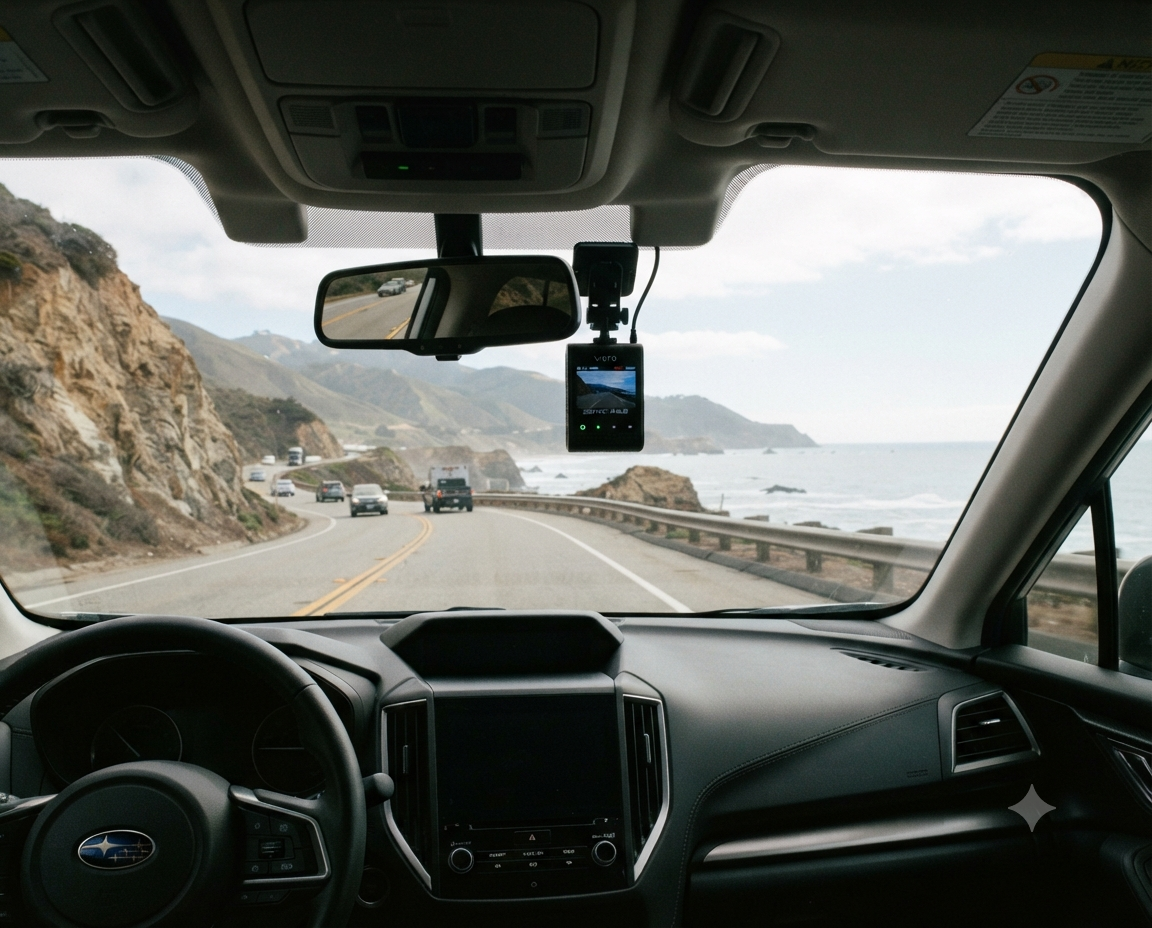
Facing a DUI charge can be overwhelming, with potential consequences including fines, license suspension, and even jail time. In these situations, every piece of evidence can make a difference—and dash cam footage has emerged as a valuable tool for building a strong DUI defense.
In this article, we’ll explain how dash cam videos can help your case, what limitations exist, and what steps you should take if you want this evidence to work in your favor.
What Is Dash Cam Footage?
A dash cam, short for dashboard camera, is a small recording device installed in a vehicle. It continuously captures video of the road ahead—and sometimes behind—while you drive. Many dash cams also record audio, GPS location, and speed, creating a detailed record of your journey.
In DUI cases, dash cam footage can provide critical insights, including:
- How a traffic stop was conducted
- Interactions with law enforcement officers
- Road, weather, and traffic conditions
- Actions of other drivers on the road
Why Dash Cam Footage Matters in a DUI Case
DUI prosecutions typically rely on:
- Officer observations of your driving
- Field sobriety tests
- Breathalyzer or blood test results
While these are important, they are not infallible. Dash cam footage provides an independent record that may support or challenge these claims. Here’s how:
1. Verifying Officer Conduct
Dash cam footage can document how an officer handled a traffic stop, including:
- Proper procedure and adherence to protocol
- Whether you were informed of your rights
- How field sobriety tests were administered
If an officer fails to follow proper procedures, dash cam evidence may help suppress certain evidence or even strengthen your defense.
2. Confirming Driving Conditions
Allegations of erratic driving can sometimes be influenced by factors beyond your control. Dash cam footage can show:
- Road conditions, such as potholes, debris, or slippery surfaces
- Weather conditions like rain, fog, or low visibility
- Other vehicles contributing to any swerving or sudden maneuvers
This context can challenge claims that you were driving under the influence.
3. Corroborating Your Version of Events
Dash cam videos provide an objective account of events. They may demonstrate:
- That you were following traffic laws
- That any apparent impairment was due to fatigue, stress, or a medical condition rather than alcohol or drugs
This can be crucial in supporting your side of the story.
4. Questioning Test Accuracy
Field sobriety and breathalyzer tests are not always reliable. Dash cam footage can reveal:
- Environmental factors affecting test performance
- How an officer conducted the test, highlighting possible procedural errors
This information can be used to challenge the prosecution’s evidence in court.
Limitations of Dash Cam Evidence
While dash cam footage can strengthen a DUI defense, it has limitations:
- Camera angles may not capture everything, such as your hands, eyes, or interior of the car
- Video quality issues like poor resolution, glare, or nighttime recordings can reduce usefulness
- Audio concerns—not all dash cams record clear audio, and some states have consent laws for recordings
- Legal admissibility—footage must be properly preserved and handled to be used in court
A skilled DUI defense attorney can evaluate footage, identify relevant evidence, and use it effectively in your defense strategy.
How to Preserve Dash Cam Footage
If you believe dash cam footage may help your DUI case, take these steps immediately:
- Do not delete or overwrite the video – Many dash cams automatically record over old footage
- Create multiple backups – Store copies on different devices or cloud storage
- Document metadata – Note date, time, and location if your dash cam doesn’t record GPS
- Avoid editing the footage – Altering video can compromise its credibility in court
- Inform your attorney – A DUI defense attorney can ensure proper chain-of-custody procedures
Examples of Dash Cam Footage Helping DUI Cases
Dash cam footage has been used effectively in a variety of DUI cases:
- Officer procedural errors – Videos have shown improper sobriety tests, which helped suppress evidence
- Misinterpreted driving behavior – Erratic driving was sometimes caused by road hazards or other drivers, not impairment
- Medical conditions – Footage has corroborated claims of behavior resulting from a medical episode rather than intoxication
These examples highlight why dash cam footage can be a critical tool in defending against DUI charges.
Working With a DUI Defense Attorney
Dash cam footage is most effective when paired with professional legal guidance. An experienced DUI defense attorney can:
- Analyze footage for relevance
- Combine it with other evidence, such as witness statements, medical records, and expert testimony
- Ensure proper preservation and legal handling
- Use it strategically to challenge or negotiate DUI charges
Having a knowledgeable DUI defense attorney increases the chances that dash cam footage will positively impact your case.
Key Takeaways
- Dash cam footage offers an independent record of a traffic stop.
- It can verify officer conduct, driving conditions, and your own behavior.
- Limitations exist, including camera angles, video quality, and admissibility rules.
- Preserve footage immediately and follow proper procedures.
- Partnering with a skilled DUI defense attorney maximizes its effectiveness.
Facing a DUI charge is serious, but dash cam footage can play an important role in building a strong defense. If you have recordings that may be relevant, don’t wait—consult an experienced DUI defense attorney to review your evidence and guide your next steps.
Contact Southwest Legal
Dash cam footage can play an important role in a DUI defense by providing objective evidence of what occurred before, during, and after a traffic stop. At Southwest Legal, our experienced DUI defense attorneys understand how to evaluate dash cam footage and other evidence to identify issues that may affect your case. We carefully review the circumstances of your arrest, preserve important evidence, and develop a defense strategy tailored to your situation.
If you are facing a DUI charge, contact us today for a free consultation to discuss your case and learn how our team can help protect your rights, your record, and your future.
Disclaimer: This article is for general informational purposes only and does not constitute legal advice or create an attorney-client relationship. No attorney-client relationship is formed unless and until the firm and client enter into an agreement for legal services. Laws may change, and legal outcomes depend on the specific facts of each case. Consult a qualified attorney for advice regarding your situation.