


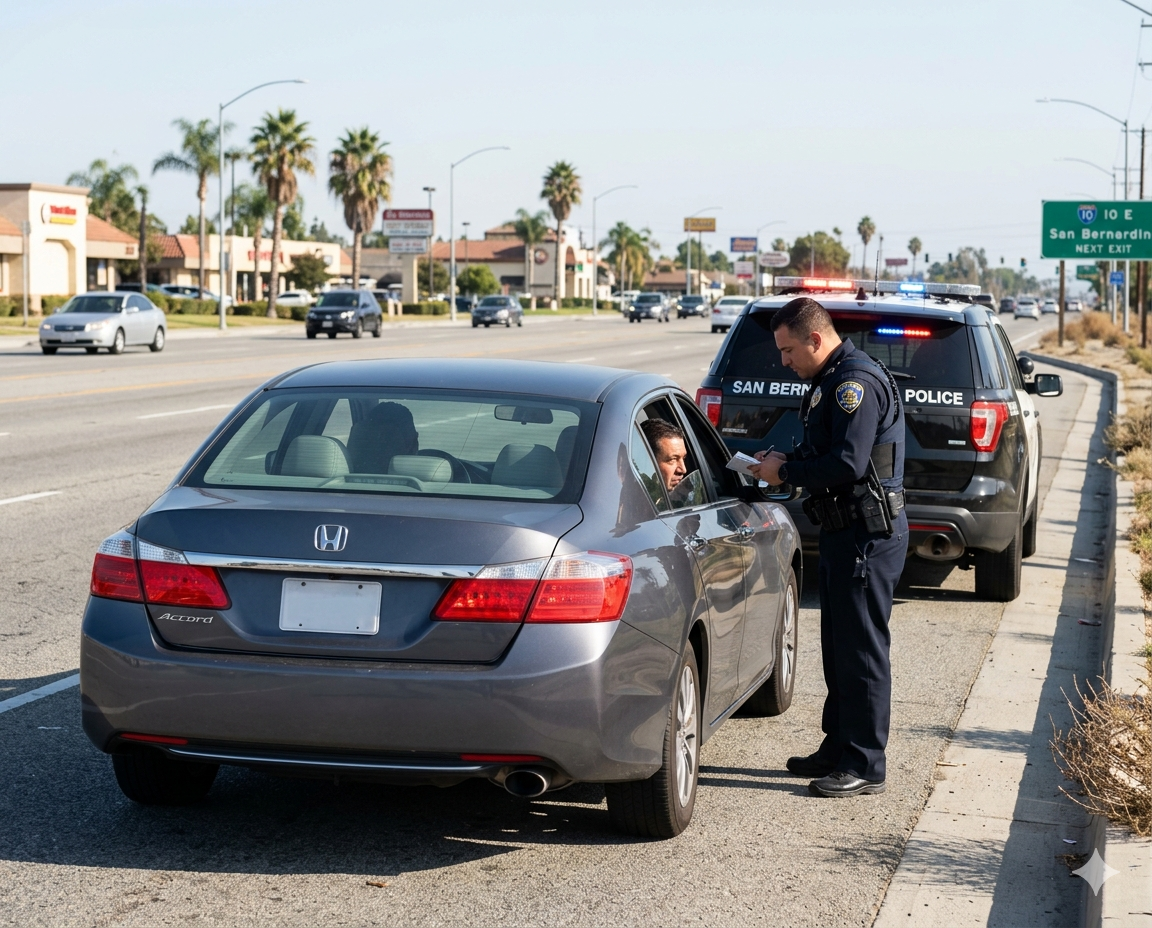
If you drive in California—or plan to—understanding California Vehicle Code 4000(a)(1) is essential. This law is one of the most commonly enforced traffic regulations in the state, yet many drivers are unaware of how easily they can violate it. Something as simple as forgetting to renew your registration or leaving an unregistered vehicle parked on a public street can result in a citation.
Because vehicle registration is tied to legal compliance, public safety, and state requirements, failing to keep it current can quickly lead to fines and unnecessary stress. Knowing exactly what the law requires—and how to respond if you receive a ticket—can help you avoid costly mistakes and stay on the road without issues.
What Is California Vehicle Code 4000(a)(1)?
California Vehicle Code 4000(a)(1) requires that all motor vehicles must be properly registered with the California Department of Motor Vehicles (DMV) before they are:
- Driven
- Moved
- Parked in public areas
In simple terms: If your vehicle is on a public road or accessible public space, it must be registered and up to date.
What Does “Properly Registered” Mean?
To comply with VC 4000(a)(1), your vehicle must have:
- A valid license plate
- A current registration sticker (tag)
- An official registration card issued by the DMV
These elements confirm that:
- Your vehicle is legally recorded with the state
- Required fees and taxes have been paid
- The vehicle meets safety and emissions requirements
If any of these are missing or expired, your vehicle may be considered unregistered under the law.
Where This Law Applies
Many drivers assume registration laws only apply when driving—but that’s not accurate.
VC 4000(a)(1) applies when your vehicle is:
- On public roads or highways
- Parked on city streets
- In public parking lots
- In private lots open to the public (such as shopping centers)
Even if your vehicle is not moving, you can still receive a citation if it is parked in these areas without valid registration.
Common Reasons Drivers Get a VC 4000(a)(1) Ticket
This is one of the most common traffic violations in California. Typical reasons include:
- Expired registration
- Forgetting to renew on time
- Recently purchasing a vehicle but not registering it yet
- Missing or improperly displayed registration sticker
- Not having proof of registration during a traffic stop
Even a short delay in renewal can lead to penalties.
Is It Illegal to Drive with Expired Registration?
Yes. Once your registration expires, your vehicle is no longer legally registered.
Although enforcement practices may vary, the law itself is clear: Driving with expired registration is a violation.
Late fees begin accumulating as soon as the registration lapses, and the longer it goes unpaid, the more expensive it becomes.
Penalties for VC 4000(a)(1)
1. Infraction (Not Criminal)
A violation of VC 4000(a)(1) is classified as an infraction, which means:
- No jail time
- No criminal record
- No points added to your driving record
2. Fine
The total cost of a ticket typically reaches around $280 or more, depending on local fees and assessments.
3. Additional Costs
You may also face:
- DMV late penalties
- Increased registration fees
- Additional administrative charges
These costs can grow quickly if not handled promptly.
The “Fix-It Ticket” Advantage
The good news is that most VC 4000(a)(1) violations are correctable, meaning you can fix the issue and avoid paying the full fine.
This is commonly known as a “fix-it ticket.”
How to Fix a VC 4000(a)(1) Ticket
Follow these steps to resolve the issue efficiently:
Step 1: Renew Your Registration
Pay all required fees and complete any necessary requirements (such as a smog check).
Step 2: Obtain Proof
Keep documentation such as:
- Registration receipt
- Updated registration card
- New sticker
Step 3: Verification (If Required)
Some cases require a law enforcement officer or authorized official to sign off on the correction.
Step 4: Submit Proof to the Court
Provide your documentation before the deadline listed on your citation.
Step 5: Pay Administrative Fee
Instead of the full fine, you’ll usually pay a small processing fee.
If completed correctly, your violation may be dismissed.
What Happens If You Ignore the Ticket?
Ignoring a VC 4000(a)(1) citation can lead to more serious consequences, including:
- Increased fines
- A failure-to-appear charge
- Possible driver’s license suspension
Taking action early is the best way to avoid complications.
Special Situations and Exceptions
Recently Expired Registration
In some cases, enforcement may be less strict for very recently expired tags, but the law still considers the vehicle unregistered.
Planned Non-Operation (PNO)
If you’re not using your vehicle, you can file a Planned Non-Operation (PNO) status:
- Avoids full registration fees
- Prevents penalties
- Requires the vehicle to stay off public roads
Parked Vehicles Still Count
Even if you’re not driving, your vehicle must still be registered if it is parked in public or publicly accessible areas.
Related Violations
VC 4000(a)(1) often appears alongside other violations, such as:
- No proof of insurance
- Displaying invalid or altered registration tags
- Failure to appear in court
These additional violations can increase penalties and legal risks.
Why Vehicle Registration Laws Exist
Vehicle registration laws serve several important purposes:
- Ensure vehicles meet safety and emissions standards
- Help law enforcement identify vehicles
- Maintain accurate ownership records
- Fund public infrastructure through fees
Keeping your registration current supports both legal compliance and public safety.
Tips to Avoid a VC 4000(a)(1) Violation
Staying compliant is simple with a few proactive steps:
- Renew your registration before it expires
- Set reminders or enable renewal notifications
- Keep proof of registration in your vehicle
- Check that your sticker is properly displayed
- File PNO if you won’t be using your vehicle
Frequently Asked Questions
Is this a serious offense?
It’s a minor infraction, but ignoring it can lead to larger penalties.
Does it affect my driving record?
No. It does not add points to your license.
Can it be dismissed?
Yes. Most cases can be resolved by fixing the issue and submitting proof.
Will I go to jail?
No. There is no jail time associated with this violation.
Final Thoughts
California Vehicle Code 4000(a)(1) is one of the most common—and most preventable—traffic violations in the state.
The key points to remember:
- Your vehicle must always have valid registration
- The law applies whether you’re driving or parked in public areas
- Most violations can be corrected quickly
- Acting fast can save you money and stress
Contact Southwest Legal
Dealing with a traffic citation can be confusing, especially if you’re unsure about your options or facing additional penalties. Getting professional legal guidance can make the process much easier and help protect your record.
If you want experienced assistance, consider reaching out to Southwest Legal. Our defense team can help you understand your situation, explore your options, and work toward the best possible outcome.
Contact us today for a free consultation and get the guidance you need. Don’t wait until fines increase or complications arise—our team is here to help you protect your rights and move forward with confidence.
Disclaimer: This article is for general informational purposes only and does not constitute legal advice or create an attorney-client relationship. No attorney-client relationship is formed unless and until the firm and client enter into an agreement for legal services. Laws may change, and legal outcomes depend on the specific facts of each case. Consult a qualified attorney for advice regarding your situation.