


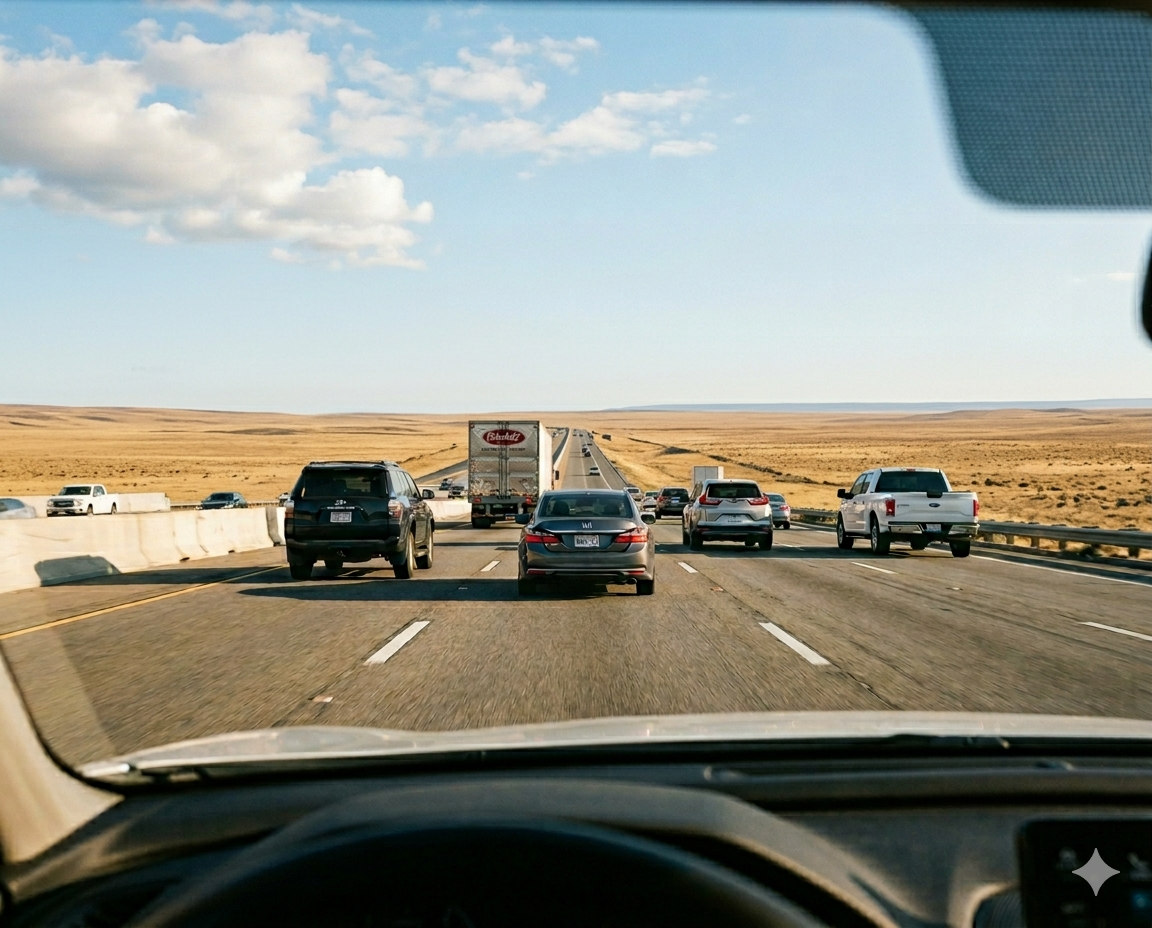
Driving on a 3-lane highway in California requires more attention and caution than many motorists realize. Unlike standard multi-lane freeways, certain three-lane highways involve shared traffic flow patterns that can increase the risk of dangerous passing maneuvers and head-on collisions. Because of these risks, California law strictly regulates how drivers may use these roadways.
California Vehicle Code 21659 addresses unsafe driving on a 3-lane highways and establishes rules regarding the use of center and left lanes. Drivers who violate this law may face traffic citations, fines, DMV points, and higher insurance premiums.
This guide explains about California Vehicle Code 21659, including what the law means, common violations, penalties, defenses, and how to avoid citations.
What Is California Vehicle Code 21659?
California Vehicle Code 21659 is a traffic law that governs vehicle operation on highways divided into three lanes. The law limits when drivers may use the center lane and prohibits improper use of the extreme left lane on certain roadways.
The purpose of the law is to improve roadway safety by reducing:
- Unsafe passing,
- Improper lane usage,
- Dangerous overtaking maneuvers,
- Head-on collisions.
Three-lane highways are different from typical freeways because traffic may travel in opposite directions while sharing a center lane for passing. Misusing these lanes can create serious safety hazards for everyone on the road.
Understanding 3-Lane Highways in California
On many 3-lane highways:
- One lane is used for traffic traveling in one direction,
- One lane is used for traffic traveling in the opposite direction,
- The center lane is shared for passing or turning purposes.
This setup is commonly found on rural highways and older roadways throughout California.
Because opposing traffic may enter the same center lane, drivers must use caution and follow California traffic laws carefully.
When Drivers May Legally Use the Center Lane
Under California Vehicle Code 21659, the center lane may only be used in limited situations.
1. Passing Another Vehicle
A driver may enter the center lane temporarily to pass a slower-moving vehicle when:
- The maneuver can be completed safely,
- Visibility is clear,
- Oncoming traffic is far enough away,
- The roadway ahead is unobstructed.
Drivers should return to their proper lane immediately after passing.
2. Preparing for a Left Turn
The law allows motorists to use the center lane while preparing to make a lawful left turn.
This helps drivers safely move out of the primary traffic lane before completing the turn.
3. When Traffic Direction Is Officially Designated
In some situations, transportation authorities may temporarily designate the center lane for vehicles traveling in one direction only.
This may occur during:
- Road construction,
- Traffic control operations,
- Emergency situations,
- Heavy congestion periods.
Drivers must obey all posted roadway signs and lane direction indicators.
Illegal Lane Usage Under VC 21659
California Vehicle Code 21659 prohibits certain dangerous driving behaviors on 3-lane highways.
Common violations include:
- Driving continuously in the center lane,
- Remaining in the extreme left lane unlawfully,
- Passing without enough visibility,
- Passing when oncoming traffic is too close,
- Using the center lane aggressively,
- Weaving through traffic unsafely.
Even if a collision does not occur, unsafe lane usage alone may result in a traffic citation.
Why This Law Exists
3-lane highways can become extremely dangerous when drivers misuse shared lanes. Unlike divided highways with physical barriers, these roads may place opposing vehicles very close together.
Improper lane usage increases the risk of:
- Head-on crashes,
- Side-swipe accidents,
- Sudden braking incidents,
- Loss of vehicle control.
California lawmakers created Vehicle Code 21659 to reduce these risks and improve overall traffic safety.
Penalties for Violating California Vehicle Code 21659
A violation of VC 21659 is typically treated as a traffic infraction rather than a criminal offense. However, the consequences can still be significant.
Financial Penalties
Drivers cited for unsafe driving on a three-lane highway may face:
- Base fines,
- Court assessments,
- Administrative fees.
The total cost of a citation can easily exceed several hundred dollars depending on the county and circumstances.
DMV Points
A conviction generally adds one point to a driver’s California DMV record.
Accumulating too many points within a certain period may lead to:
- Driver’s license suspension,
- Increased insurance rates,
- Negligent operator classification.
Insurance Consequences
Traffic violations involving unsafe driving behavior can impact auto insurance premiums.
Insurance companies may view lane violations as indicators of risky driving habits, especially if:
- The driver has prior citations,
- The violation involved aggressive driving,
- An accident occurred.
Even one moving violation can result in higher insurance costs over time.
Can You Fight a VC 21659 Ticket?
Yes. Drivers cited under California Vehicle Code 21659 have the right to challenge the citation in traffic court.
Several legal defenses may apply depending on the facts of the case.
Common Legal Defenses to VC 21659 Violations
1. The Maneuver Was Safe
A driver may argue that:
- Visibility was clear,
- The roadway ahead was unobstructed,
- The pass was completed safely,
- No immediate hazard existed.
2. Emergency Circumstances
Drivers sometimes enter the center lane to avoid:
- Road debris,
- Disabled vehicles,
- Unsafe drivers,
- Sudden hazards.
Emergency situations may justify temporary lane usage.
3. Improper Officer Observation
Traffic tickets often rely heavily on the observations of the citing officer.
In some cases:
- The officer may not have seen the entire maneuver,
- Road markings may have been unclear,
- Lane direction signs may have caused confusion.
4. Lack of Sufficient Evidence
The prosecution must generally prove that the driver violated the statute unlawfully and unsafely.
If evidence is weak or incomplete, the citation may be reduced or dismissed.
Traffic School Eligibility
Many drivers cited under VC 21659 may qualify for traffic school.
Completing traffic school can help:
- Prevent points from appearing on a public driving record,
- Minimize insurance increases,
- Maintain a cleaner DMV history.
Eligibility depends on several factors, including:
- The type of license held,
- The nature of the violation,
- Prior traffic school attendance history.
Difference Between VC 21659 and Other California Lane Laws
California has multiple traffic laws involving lane usage, and they are often confused with one another.
VC 21658 – Unsafe Lane Changes
This law applies to improper lane changes on roads with multiple lanes traveling in the same direction.
It requires drivers to:
- Remain within a lane as much as practical,
- Change lanes only when safe.
VC 21654 – Slow Vehicles Must Keep Right
This statute requires slower-moving vehicles to remain in the right lane when practical to avoid obstructing traffic flow.
Passing and Overtaking Laws
California also has separate laws regulating:
- Passing on the left,
- Passing near intersections,
- Passing on hills or curves,
- Unsafe overtaking maneuvers.
Drivers must comply with all applicable traffic rules simultaneously.
How VC 21659 Can Affect Accident Liability
A violation of California Vehicle Code 21659 may become important evidence in a car accident claim.
If a driver improperly uses the center lane and causes a collision, the violation may support allegations of negligence.
Examples include:
- Head-on collisions during unsafe passing,
- Side-impact crashes,
- Loss-of-control accidents caused by reckless lane usage.
Traffic violations can influence:
- Insurance investigations,
- Personal injury claims,
- Civil liability determinations.
Safety Tips for Driving on Three-Lane Highways
Understanding safe driving practices can help motorists avoid accidents and citations.
Stay Primarily in Your Assigned Lane
Avoid unnecessary lane movement and only use the center lane when legally permitted.
Never Pass Without Clear Visibility
Do not attempt passing maneuvers near:
- Curves,
- Hills,
- Intersections,
- Poor weather conditions,
- Heavy traffic.
Watch Oncoming Traffic Carefully
Even vehicles that appear distant can approach quickly at highway speeds.
Use Turn Signals Early
Proper signaling helps other drivers anticipate your movements and reduces accident risk.
Avoid Aggressive Driving
Speeding, weaving, and impatient passing dramatically increase the danger on shared-lane highways.
Frequently Asked Questions
Is it illegal to drive in the center lane continuously?
Yes. Drivers generally may only use the center lane temporarily for passing, turning, or when officially designated for travel in a specific direction.
Does VC 21659 apply to all highways?
The law specifically applies to certain three-lane highways where traffic may travel in opposing directions.
Is a VC 21659 violation a misdemeanor?
Typically, no. Most violations are treated as infractions unless additional offenses are involved.
Will I get a DMV point?
In most cases, yes. A conviction usually results in one point being added to your driving record.
Can traffic school help?
Eligible drivers may attend traffic school to reduce the impact on their driving record and insurance rates.
Final Thoughts
California Vehicle Code 21659 plays an important role in promoting safety on three-lane highways. These roads can become dangerous when drivers misuse shared passing lanes or drive aggressively near oncoming traffic.
Understanding the rules surrounding:
- Center lane usage,
- Passing restrictions,
- Left-lane limitations,
- Safe overtaking procedures
can help drivers avoid costly citations and reduce the risk of serious accidents.
Whether you received a ticket or were involved in an accident related to unsafe lane usage, understanding your legal rights is essential.
Contact Southwest Legal
If you were cited for violating California Vehicle Code 21659 or are dealing with a traffic-related legal issue in Southern California, Southwest Legal can help you understand your rights and options. Traffic violations involving unsafe driving on a three-lane highway can lead to fines, DMV points, increased insurance costs, and other complications that may affect your driving record.
The legal team at Southwest Legal works with drivers facing traffic citations and related matters, providing guidance tailored to each situation. Whether you want to fight a ticket, reduce penalties, or better understand California traffic laws, contact us today for a free consultation. Taking this important first step can help you protect your record and better understand your options for resolving your case as effectively as possible.