


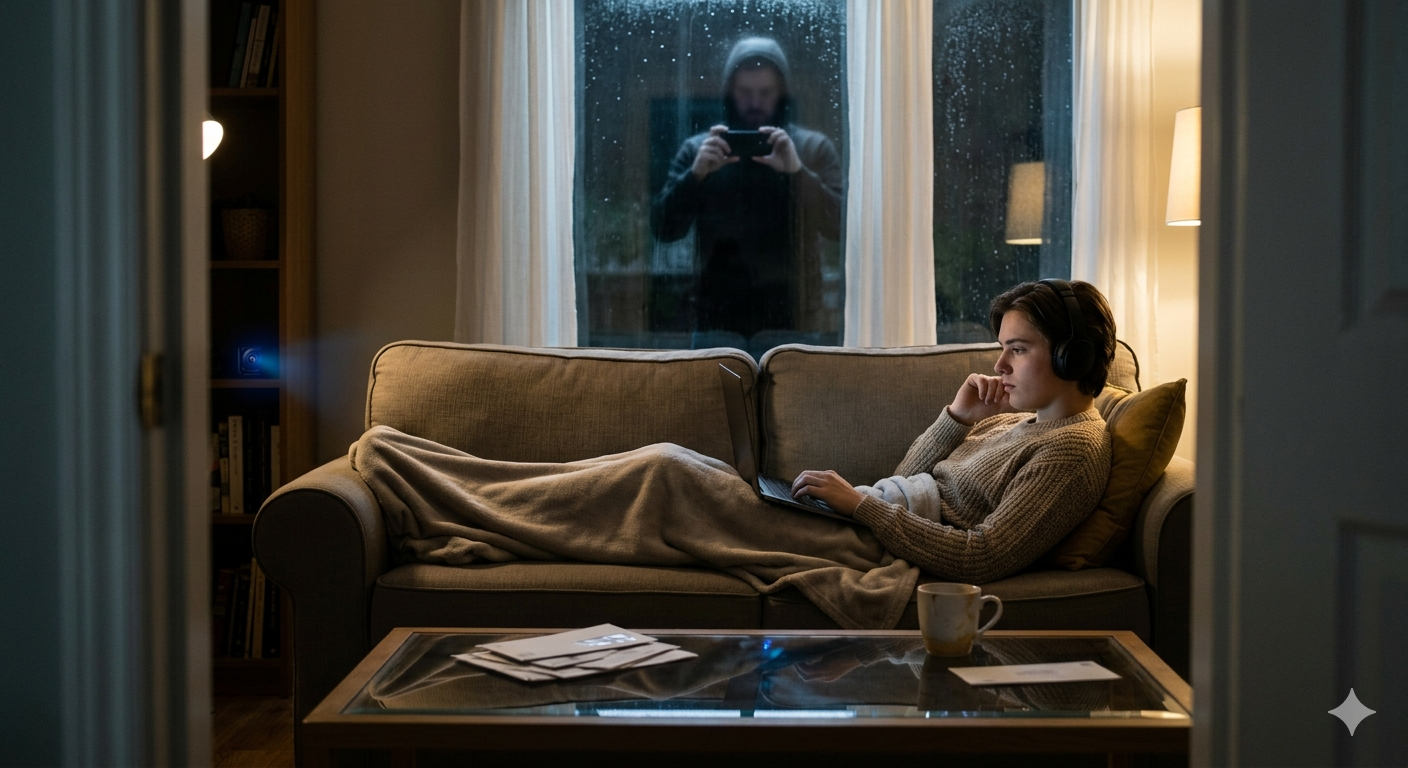
Privacy rights are taken seriously in California, especially when it comes to hidden cameras, secret recordings, and unauthorized photography. One of the primary laws addressing these issues is California Penal Code § 647(j).
This law makes certain types of invasive conduct illegal, including secretly viewing, recording, or photographing another person in situations where they reasonably expect privacy. Violations can lead to criminal charges, fines, probation, and even jail time.
Understanding how this law works is important for anyone accused of a privacy-related offense or anyone wanting to better understand their legal rights in California.
What Is California Penal Code § 647(j)?
California Penal Code § 647(j) is part of California’s criminal laws dealing with invasion of privacy offenses. The statute targets conduct involving:
- Secret observation
- Hidden cameras
- Unauthorized photography
- Secret video recordings
- Recording intimate body parts without permission
The law exists to protect individuals from unwanted surveillance or recording in private situations.
Common locations where privacy protections apply include:
- Bathrooms
- Bedrooms
- Dressing rooms
- Hotel rooms
- Tanning booths
- Medical examination rooms
- Private residences
The statute has become increasingly important as smartphones, miniature cameras, and digital recording devices have become more common.
Conduct Prohibited Under Penal Code § 647(j)
The law contains several provisions that criminalize different forms of privacy invasion.
Secretly Viewing Someone in a Private Area
A person may violate the law if they use any device to secretly observe another individual in a place where privacy is expected.
Devices may include:
- Cameras
- Smartphones
- Video equipment
- Binoculars
- Hidden surveillance devices
- Recording tools
Example
Placing a hidden camera inside a changing room to observe customers without their knowledge may violate Penal Code § 647(j).
The key issue is whether the person being viewed reasonably expected privacy.
Secret Recording or Photography
The statute also prohibits secretly recording or photographing another person without consent in private situations.
This may involve recording:
- Someone undressing
- Showering
- Using a restroom
- Engaging in private activity
- Intimate body areas
Even if no images are distributed online, the act of secretly recording can still lead to criminal charges.
“Upskirting” Offenses
California law also prohibits secretly photographing or recording underneath another person’s clothing to capture intimate body parts.
This conduct is commonly referred to as “upskirting.”
These incidents can occur in:
- Shopping centers
- Schools
- Concerts
- Public transportation
- Parks
- Crowded public venues
Even in public spaces, individuals still maintain privacy rights regarding concealed parts of their bodies.
Hidden Camera Crimes
Hidden camera cases are among the most common invasion of privacy offenses prosecuted under Penal Code § 647(j).
Examples include:
- Cameras hidden in bathrooms
- Surveillance devices inside bedrooms
- Recording devices in hotel rooms
- Cameras concealed inside smoke detectors or vents
These offenses are treated seriously because victims often have no knowledge they are being recorded.
What Prosecutors Must Prove
To obtain a conviction under California Penal Code § 647(j), prosecutors generally must prove several legal elements beyond a reasonable doubt.
Depending on the specific charge, the prosecution may need to establish that:
- The defendant intentionally used a device or equipment
- The conduct occurred without consent
- The victim had a reasonable expectation of privacy
- The purpose involved viewing, recording, or photographing private areas or activities
Intent is often one of the most heavily disputed issues in these cases.
What Is a Reasonable Expectation of Privacy?
A “reasonable expectation of privacy” means a person would normally believe they are safe from observation or recording.
Examples of locations where privacy is generally expected include:
| Private Areas | Generally Public Areas |
|---|---|
| Bathrooms | Sidewalks |
| Bedrooms | Public parks |
| Dressing rooms | Streets |
| Shower areas | Stadium seating |
| Hotel rooms | Public beaches |
However, California law may still protect intimate body areas even when someone is located in a public place.
Is Penal Code § 647(j) a Misdemeanor?
Most violations of Penal Code 647(j) are prosecuted as misdemeanors.
Potential penalties may include:
- Up to six months in county jail
- Court fines
- Informal probation
- Community service
- Mandatory counseling programs
The seriousness of the punishment often depends on factors such as:
- Prior criminal history
- Whether minors were involved
- Multiple victims
- Distribution of recordings
- Use of sophisticated surveillance equipment
Additional Consequences of a Conviction
A conviction can have consequences beyond criminal penalties.
Possible long-term effects include:
- Permanent criminal record
- Difficulty finding employment
- Damage to professional reputation
- Loss of occupational licenses
- Immigration-related complications
- Restrictions in educational settings
Privacy-related crimes can also create serious personal and social consequences due to the sensitive nature of the allegations.
Common Legal Defenses
Every case is unique, and several legal defenses may apply depending on the facts.
Lack of Intent
Accidental recording or unintended conduct may not satisfy the intent requirement under the statute.
Example
A person recording a public event may unintentionally capture another individual in the background without targeting private areas.
In some cases, this may not qualify as criminal conduct.
Consent
Consent can be a major defense in invasion of privacy cases.
If the alleged victim knowingly agreed to the recording or photography, criminal liability may not exist.
Disputes involving consent frequently arise in:
- Personal relationships
- Shared recordings
- Social media content creation
- Adult entertainment situations
No Reasonable Expectation of Privacy
The defense may argue the location or circumstances did not create a legally protected expectation of privacy.
Courts analyze this issue carefully based on the facts of each case.
False Accusations or Mistaken Identity
Some allegations stem from misunderstandings or false assumptions.
Defense attorneys may challenge:
- Witness credibility
- Ownership of recording devices
- Identification of the accused
- Digital evidence authenticity
- Intent behind the conduct
Digital Evidence in Privacy Cases
Modern invasion of privacy investigations often involve extensive digital evidence.
Law enforcement may examine:
- Smartphones
- Laptops
- Tablets
- Cloud storage accounts
- Deleted files
- Text messages
- Social media activity
- Metadata from photos or videos
Search warrants are commonly used to obtain electronic evidence during investigations.
Hidden Cameras and Technology
Advances in technology have made surveillance equipment smaller and harder to detect.
Devices may now be disguised as:
- Smoke detectors
- Phone chargers
- Alarm clocks
- USB chargers
- Pens
- Household electronics
Because of these technological developments, California courts continue adapting privacy laws to modern digital realities.
Difference Between Penal Code 647(j) and Revenge Porn Laws
Although related, invasion of privacy laws and revenge porn laws are not identical.
Penal Code 647(j)
Primarily focuses on:
- Secret viewing
- Hidden recording
- Unauthorized photography
Revenge Porn Laws
Generally focus on:
- Distribution of intimate images
- Sharing explicit material without consent
- Intentional emotional harm
A person may face multiple criminal charges if both recording and unlawful distribution occur.
Civil Lawsuits for Invasion of Privacy
Victims may also pursue civil claims in addition to criminal prosecution.
Civil lawsuits may seek compensation for:
- Emotional distress
- Reputational harm
- Psychological suffering
- Financial damages
Civil courts use a different legal standard than criminal courts, meaning a person could potentially face both types of proceedings.
Juvenile and School-Related Cases
Schools and universities increasingly encounter privacy-related incidents involving:
- Locker room recordings
- Student image sharing
- Unauthorized social media posts
- Secret recordings of classmates
Juvenile offenders may face:
- Juvenile court proceedings
- School discipline
- Suspension or expulsion
- Counseling requirements
Cases involving minors are often prosecuted aggressively because of the potential emotional harm involved.
Common Examples of Penal Code 647(j) Violations
Hidden Bathroom Camera
Installing a concealed recording device inside a restroom to capture people without their consent may violate California law.
Secret Hotel Room Recording
Placing hidden surveillance equipment inside a hotel room to record guests without permission can lead to criminal charges.
Upskirting Incident
Using a smartphone to secretly photograph beneath another person’s clothing in a public setting may constitute an invasion of privacy offense.
Unauthorized Bedroom Recording
Secretly recording another individual inside a private bedroom without consent may violate Penal Code 647(j).
Frequently Asked Questions
Is it illegal to secretly record someone in California?
In many situations, yes. Secretly recording someone in a private setting may violate California privacy laws.
Additional laws regarding audio recording and wiretapping may also apply.
Can someone go to jail for using hidden cameras?
Yes. Illegal hidden camera activity may result in misdemeanor criminal charges and potential jail time.
Does the law apply to smartphones?
Yes. Smartphones are frequently involved in invasion of privacy cases because they can easily capture photos and videos.
Is upskirting illegal in California?
Yes. Secretly recording or photographing beneath another person’s clothing without consent may violate California law.
Why California Privacy Laws Matter
Modern technology has made it easier than ever to secretly record or distribute private content.
Small recording devices, smartphones, and instant online sharing create serious privacy concerns for individuals in everyday situations.
California privacy laws are designed to protect people from:
- Unauthorized surveillance
- Hidden recordings
- Exploitation of intimate images
- Digital privacy violations
- Intrusive conduct
These protections help preserve personal dignity and security in both physical and digital environments.
Final Thoughts
California Penal Code 647(j) plays an important role in protecting individuals from hidden surveillance, secret recordings, and unauthorized photography.
As technology continues evolving, privacy-related criminal investigations are becoming more common and increasingly complex. Cases often involve digital evidence, electronic devices, and sensitive allegations that require careful legal analysis.
Anyone accused of violating California privacy laws should understand that these charges can carry serious criminal, personal, and professional consequences.
Contact Southwest Legal
If you or someone you know is facing allegations involving invasion of privacy, hidden recordings, or related criminal charges, it is important to seek experienced legal guidance as early as possible.
The legal team at Southwest Legal understands the complexities of California criminal defense cases and works to protect clients’ rights throughout every stage of the legal process.
Contact us today for a free consultation to discuss your case, understand your legal options, and receive knowledgeable defense representation tailored to your situation.
Disclaimer: This article is for general informational purposes only and does not constitute legal advice or create an attorney-client relationship. No attorney-client relationship is formed unless and until the firm and client enter into an agreement for legal services. Laws may change, and legal outcomes depend on the specific facts of each case. Consult a qualified attorney for advice regarding your situation.