


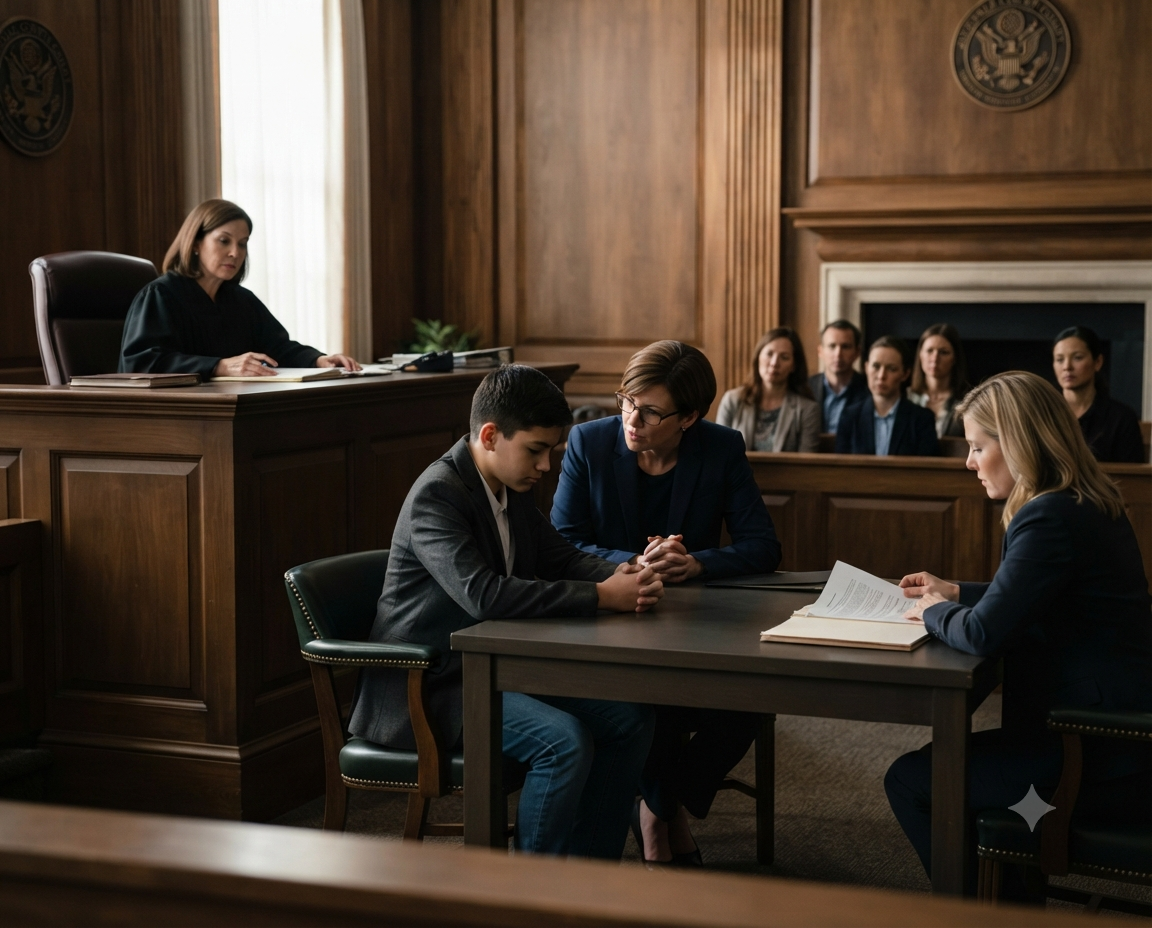
When a child or teenager is accused of breaking the law in California, the situation can feel confusing and overwhelming for families. The juvenile court process is different from the adult criminal court system, with different procedures, goals, and possible outcomes. Instead of focusing only on punishment, California’s juvenile justice system is designed to hold minors accountable while also addressing rehabilitation, education, counseling, and preventing future involvement with the justice system.
Understanding how California juvenile court works can help parents, guardians, and young people make informed decisions during a stressful time. This guide explains the major steps in the California juvenile court process, what happens after an arrest, what rights juveniles have, possible consequences, and answers to common questions families search for online.
What Is Juvenile Court in California?
California juvenile court is a specialized court system that handles cases involving minors accused of committing offenses. In most situations, juvenile court applies to individuals under the age of 18 who are alleged to have committed acts that would be considered crimes if committed by an adult.
Unlike adult criminal court, juvenile court cases are generally called “delinquency” cases rather than criminal prosecutions. The purpose of the system is not only to determine whether a young person violated the law but also to identify what support, supervision, and services may help the minor avoid future problems.
California juvenile courts may address cases involving offenses such as:
- Theft-related offenses
- Assault or fighting allegations
- Drug-related offenses
- Property damage
- Weapons-related allegations
- Certain driving-related offenses involving minors
- Serious felony-level allegations
The outcome of a juvenile case depends on many factors, including the seriousness of the allegation, the minor’s age, prior history, circumstances surrounding the incident, and available rehabilitation options.
How Does the California Juvenile Court Process Begin?
A juvenile court case usually begins after law enforcement becomes involved. The process may start when an officer investigates an alleged offense and determines there is enough information to refer the matter to the juvenile justice system.
After police involvement, several things may happen:
- The minor may be released to a parent or guardian.
- The minor may receive a citation requiring a future court appearance.
- The minor may be taken into custody if authorities believe detention is necessary.
A juvenile being taken into custody does not automatically mean they will remain detained. The court must determine whether continued detention is appropriate based on factors such as public safety, risk of returning to court, and the circumstances of the case.
What Happens After a Juvenile Is Arrested in California?
After a juvenile arrest, law enforcement typically refers the case to the county juvenile probation department and the prosecutor’s office reviews the allegations.
The prosecutor decides whether to move forward with a juvenile court case. In some situations, the matter may be handled informally through alternatives designed to avoid a formal court process.
Possible early resolutions may include:
- Counseling programs
- Community service
- Educational programs
- Restitution for damages
- Diversion programs
- Informal supervision
If the case moves forward, the prosecutor files a petition asking the juvenile court to hear the allegations.
What Is a Juvenile Court Petition?
A juvenile court petition is the document that officially starts a delinquency case. It explains the allegations against the minor and identifies the laws that prosecutors claim were violated.
The petition is similar in purpose to criminal charges in adult court, but juvenile proceedings use different terminology and procedures.
After a petition is filed, the minor and their parent or guardian receive information about the allegations and upcoming court dates.
Do Juveniles Have Rights in California Juvenile Court?
Yes. Juveniles have important legal rights throughout the court process.
Some key rights include:
- The right to receive notice of the allegations
- The right to have an attorney represent them
- The right to understand the proceedings
- The right to challenge evidence and allegations
- The right to remain silent
- The right to a hearing before the court makes a final decision
Because juvenile cases can affect education, future opportunities, and personal records, having legal guidance is often an important part of protecting a young person’s interests.
What Happens at the First Juvenile Court Hearing?
The first hearing may involve several important decisions. The court may review whether the minor understands the allegations, whether an attorney has been appointed or retained, and whether any temporary orders are needed.
Depending on the circumstances, the court may also consider whether the minor should remain detained or return home while the case continues.
Parents and guardians should pay close attention to court dates because missing hearings can create additional complications.
What Is a Juvenile Arraignment?
A juvenile arraignment is a hearing where the court formally addresses the allegations contained in the petition.
During this stage:
- The minor is informed of the allegations
- The court confirms representation by an attorney
- Future hearings may be scheduled
- The minor may enter a response to the allegations
Juvenile proceedings are not identical to adult arraignments, but the purpose is similar: ensuring the accused person understands the case and the next steps.
What Happens at a Juvenile Court Trial?
A juvenile court trial is sometimes called a jurisdictional hearing. During this hearing, the judge determines whether the allegations in the petition are true.
Unlike an adult criminal trial, juvenile cases are usually decided by a judge rather than a jury.
During the hearing:
- The prosecutor presents evidence
- Witnesses may testify
- The defense may challenge evidence
- The judge evaluates the information presented
If the judge finds the allegations were not proven, the case may be dismissed. If the judge finds the allegations true, the case moves to the next stage: disposition.
What Is a Juvenile Court Disposition Hearing?
A disposition hearing is similar to a sentencing hearing in adult court, but the focus is generally on rehabilitation and accountability.
The court considers information such as:
- The seriousness of the offense
- The minor’s background
- School history
- Family circumstances
- Counseling needs
- Risk factors and protective factors
Possible juvenile court outcomes may include:
- Probation
- Counseling requirements
- Educational programs
- Community service
- Restitution payments
- Placement outside the home in certain situations
- Other rehabilitation-focused conditions
The goal is to create an outcome that encourages responsibility while helping the young person move forward.
Can a Juvenile Go to Jail in California?
California juvenile courts generally do not use adult jails for minors. However, some young people may be placed in juvenile detention facilities or other supervised placements depending on the circumstances.
For serious offenses, the court may consider more restrictive options. Factors such as the severity of the offense, safety concerns, and the minor’s history can influence placement decisions.
Can a Juvenile Be Tried as an Adult in California?
In certain serious cases, a minor may face adult criminal court proceedings. California law allows some older juveniles accused of specific serious offenses to potentially be transferred to adult court under certain circumstances.
These cases involve additional legal procedures and are treated differently from typical juvenile delinquency matters.
How Long Does the California Juvenile Court Process Take?
The length of a juvenile court case varies widely. Some cases may be resolved quickly through informal programs or agreements, while others may continue for months if there are complicated legal issues, multiple hearings, or serious allegations.
Factors that can affect the timeline include:
- The complexity of the case
- Court scheduling
- Whether the allegations are disputed
- Availability of evaluations or services
- Whether detention decisions are involved
Will a Juvenile Record Affect the Future?
Many families worry about whether a juvenile case will permanently affect a child’s future. Juvenile records are treated differently from adult criminal records, and California provides procedures that may allow certain records to be sealed if eligibility requirements are met.
A sealed juvenile record can help protect future opportunities, including education and employment. However, eligibility depends on the circumstances of the case and compliance with court requirements.
Families should understand that not every juvenile matter is automatically erased, and taking the proper legal steps may be necessary.
What Should Parents Do When Their Child Has a Juvenile Court Case?
Parents and guardians play an important role throughout the juvenile court process.
Helpful steps may include:
- Making sure the child attends all required hearings
- Learning about the allegations and court process
- Supporting compliance with court requirements
- Communicating with the child’s attorney
- Encouraging school attendance and positive activities
- Addressing underlying issues such as counseling needs or academic challenges
A supportive family environment can make a significant difference in helping a young person successfully complete the process.
Frequently Asked Questions
Is juvenile court the same as criminal court?
No. Juvenile court and adult criminal court have different procedures and goals. Juvenile court generally focuses more heavily on rehabilitation, supervision, and helping minors avoid future offenses.
Can parents attend juvenile court hearings?
In many cases, parents or guardians are expected to participate in the process and attend hearings. Specific rules may vary depending on the circumstances and the court’s orders.
Does a juvenile need a lawyer?
Juveniles have the right to legal representation. Because juvenile court decisions can have long-term effects, many families seek legal assistance to understand their options and protect the minor’s rights.
What happens if a juvenile violates probation?
A probation violation may result in additional court hearings. The court may modify conditions, require additional services, or impose other consequences depending on the situation.
Can juvenile charges be dismissed?
Yes, juvenile cases may sometimes be dismissed depending on the facts, evidence, legal issues, or successful completion of certain programs.
Final Thoughts
The California juvenile court process can involve multiple stages, from police involvement and court petitions to hearings, decisions, and possible rehabilitation programs. While the process can be stressful for families, understanding each step can make it easier to prepare and respond appropriately.
Every juvenile case is different. The outcome depends on the specific facts, the seriousness of the allegations, the young person’s history, and the options available in the local court system. Families facing a juvenile court matter should take the process seriously, stay informed, and seek appropriate guidance to understand their rights and responsibilities.
By learning how juvenile court works, parents and young people can better navigate the system and focus on achieving the best possible outcome.
Contact Southwest Legal
If your child is facing allegations in California juvenile court, having knowledgeable legal guidance can make an important difference. The juvenile court process involves strict deadlines, complex procedures, and decisions that may affect your child’s future.
The defense attorneys at Southwest Legal understand the challenges families face when dealing with juvenile court matters. Their legal team helps families understand their options, protect their child’s rights, and work toward the best possible resolution based on the circumstances of the case.
Do not wait until a juvenile court case becomes more complicated. Contact us today for a free consultation to discuss your situation and learn how an experienced legal team may be able to help.
Disclaimer: This article is for general informational purposes only and does not constitute legal advice or create an attorney-client relationship. No attorney-client relationship is formed unless and until the firm and client enter into an agreement for legal services. Laws may change, and legal outcomes depend on the specific facts of each case. Consult a qualified attorney for advice regarding your situation.