


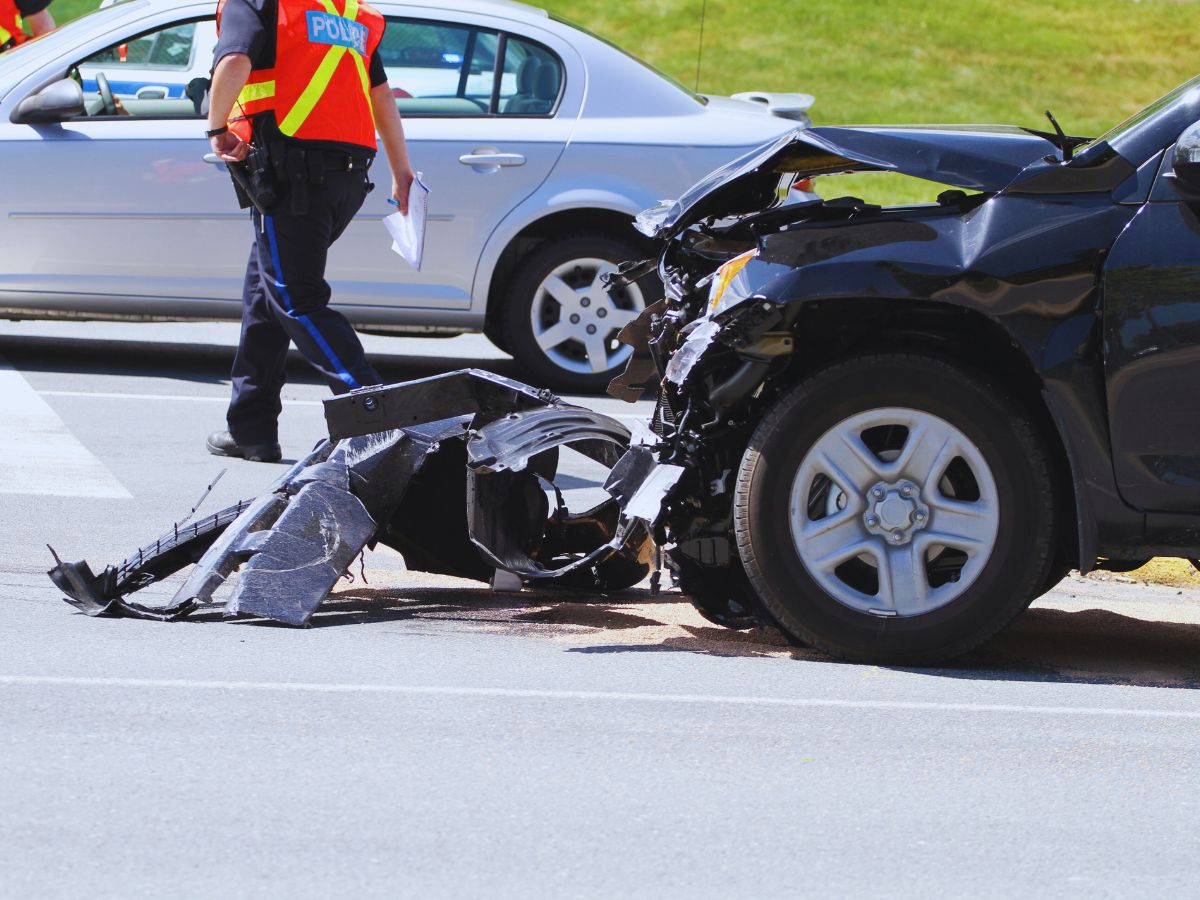
When a person dies because of another individual’s actions, California prosecutors carefully examine the circumstances surrounding the death to determine whether criminal charges are appropriate. While some deaths are tragic accidents, others may result in criminal liability when a person’s actions involve extreme carelessness, reckless behavior, or criminal negligence.
One of the charges that may arise in these situations is involuntary manslaughter under California Penal Code § 192(b).
Unlike murder, involuntary manslaughter does not require an intent to kill. Instead, this charge generally applies when someone causes another person’s death through criminal negligence or through certain unlawful acts without malice.
Although it involves an unintentional death, involuntary manslaughter is still a serious felony offense in California. A conviction can result in prison time, a permanent criminal record, financial penalties, and significant personal and professional consequences.
Understanding California Penal Code 192(b), what prosecutors must prove, possible defenses, and the penalties involved can help individuals better understand their legal situation.
This guide explains:
- What California Penal Code Section 192(b) means
- How involuntary manslaughter differs from murder and other homicide charges
- What prosecutors must prove
- Examples of conduct that may lead to charges
- Possible penalties
- Common legal defenses
- Frequently asked questions about involuntary manslaughter cases
What Is California Penal Code Section 192(b)?
California Penal Code Section 192(b) addresses involuntary manslaughter, which is an unlawful killing that occurs without malice and without an intent to kill.
In simple terms, involuntary manslaughter involves a death that was not planned or intentional but allegedly occurred because of a person’s unlawful actions or criminal negligence.
A person may face an involuntary manslaughter charge when prosecutors believe the death resulted from:
- An unlawful act that is not a felony inherently dangerous to human life.
- A lawful act performed in an unlawful manner or without proper caution.
- Criminal negligence that created a substantial risk of death or serious bodily harm.
The central issue in many cases is whether the person’s conduct was merely careless or whether it rose to the level of criminal negligence.
Not every accident qualifies as involuntary manslaughter. Prosecutors must prove that the conduct was significantly more serious than ordinary negligence.
What Is Criminal Negligence in California?
Criminal negligence is one of the most important concepts in an involuntary manslaughter case.
Unlike ordinary negligence, criminal negligence involves conduct that is so reckless or careless that it creates a high risk of death or great bodily injury. The law focuses on whether a reasonable person would have recognized the danger created by the defendant’s actions.
Examples of conduct that prosecutors may argue demonstrate criminal negligence include:
- Recklessly handling a firearm around other people.
- Ignoring known safety hazards that could cause serious injury or death.
- Disabling safety equipment despite knowing the danger involved.
- Engaging in extremely dangerous behavior near others.
- Failing to take reasonable precautions in situations involving a known risk.
The difference between ordinary negligence and criminal negligence is often one of the most contested issues in these cases.
For example, a person who makes a simple mistake that unexpectedly contributes to an accident may have acted negligently but not criminally. However, someone who knowingly creates a dangerous situation while ignoring a substantial risk to human life may face criminal negligence allegations.
What Must Prosecutors Prove for an Involuntary Manslaughter Conviction?
To convict someone under California Penal Code Section 192(b), prosecutors must prove every required element beyond a reasonable doubt.
Generally, prosecutors must establish:
1. A Person Died
The prosecution must prove that another individual died.
2. The Defendant’s Actions Caused the Death
There must be a connection between the defendant’s conduct and the fatal outcome.
Causation can become a major issue when multiple events or factors contributed to the death.
3. The Defendant Acted With Criminal Negligence
The prosecution must show that the defendant’s actions were more than ordinary carelessness.
4. The Defendant Did Not Act With Malice
If prosecutors believe the defendant acted with malice, the case may involve a more serious homicide charge.
Because prosecutors carry the burden of proof, challenges involving evidence, causation, witness credibility, and expert testimony can be important parts of a defense strategy.
Examples of Involuntary Manslaughter in California
Understanding examples can make California Penal Code 192(b) easier to understand.
Reckless Firearm Handling
A person removes a firearm while others are nearby. They fail to confirm whether the weapon is unloaded and handle it carelessly. The firearm accidentally discharges, killing another person.
Although the person did not intend to cause a death, prosecutors may argue that the unsafe handling of the firearm constituted criminal negligence.
Workplace Safety Violations
A company owner becomes aware of a dangerous condition at a workplace but ignores repeated warnings. An employee later suffers fatal injuries because the hazard was never corrected.
Depending on the circumstances, prosecutors may argue that knowingly allowing the dangerous condition to continue amounted to criminal negligence.
Dangerous Conduct or Horseplay
Several individuals engage in extremely dangerous behavior involving vehicles, equipment, or other hazards. One person suffers fatal injuries.
The legal question is whether the conduct was simply careless or whether it created a substantial risk of death that a reasonable person would have recognized.
Neglect Resulting in Death
A caregiver fails to provide necessary supervision, medical attention, or protection despite knowing someone faces serious danger.
Depending on the facts, prosecutors may argue that the failure to act amounted to criminal negligence.
Difference Between Murder and Involuntary Manslaughter
Many people confuse murder and involuntary manslaughter because both involve the death of another person. However, the primary difference is the defendant’s mental state.
| Murder | Involuntary Manslaughter |
|---|---|
| Usually involves malice or intentional conduct | Does not require intent to kill |
| More serious homicide offense | Lesser homicide offense |
| Prosecutors focus on malice and intent | Prosecutors focus on criminal negligence |
| Carries more severe penalties | Generally carries reduced penalties |
A person can face criminal charges even when a death was unintended, but prosecutors must prove the legal requirements of involuntary manslaughter.
Difference Between Voluntary and Involuntary Manslaughter
California recognizes different types of manslaughter charges.
Voluntary Manslaughter
Voluntary manslaughter generally involves an intentional killing committed under circumstances that reduce what could otherwise be murder, such as a sudden quarrel or heat of passion.
Involuntary Manslaughter
Involuntary manslaughter involves an unintentional death caused by criminal negligence or certain unlawful conduct.
The defendant’s intent, actions, and circumstances surrounding the death determine which charge may apply.
Related California Homicide Charges
When a death occurs, prosecutors may consider several different criminal charges depending on the facts of the case. The difference between these charges often depends on the defendant’s intent, level of negligence, and the circumstances surrounding the death.
Murder
Murder is one of the most serious criminal charges in California. It generally involves allegations that a person killed another individual with malice.
Unlike involuntary manslaughter, murder cases involve a higher level of culpability and usually focus on whether the defendant acted intentionally or with a conscious disregard for human life.
Voluntary Manslaughter
Voluntary manslaughter involves an intentional killing that occurs under circumstances that may reduce the severity of the offense. Common examples involve situations where a person acts during a sudden quarrel or heat of passion.
Vehicular Manslaughter
Vehicular manslaughter may apply when a person causes another individual’s death while operating a vehicle and the conduct meets the legal requirements for the offense.
Depending on the circumstances, prosecutors may consider factors such as:
- Reckless driving behavior
- Speeding or dangerous driving
- Driver impairment
- Violations of traffic laws
Gross Vehicular Manslaughter While Intoxicated
California also recognizes specific offenses involving fatal vehicle accidents caused by gross negligence while driving under the influence of alcohol or drugs.
These cases can involve serious penalties and require careful examination of the evidence, including accident reconstruction, toxicology reports, and witness statements.
California Penal Code 192(b) Penalties
Involuntary manslaughter is generally prosecuted as a felony offense in California.
A conviction may result in serious consequences, including:
- State prison time
- Felony probation in appropriate cases
- Criminal fines
- Victim restitution
- A permanent criminal record
The specific consequences depend on many factors, including:
- The circumstances of the death
- The defendant’s criminal history
- The strength of the prosecution’s evidence
- Whether aggravating or mitigating factors exist
- The arguments presented by the defense
Beyond court penalties, a felony conviction can affect many areas of a person’s life, including:
- Employment opportunities
- Professional licensing
- Housing options
- Educational opportunities
- Personal relationships
- Immigration status for non-citizens
- Certain civil rights
Because of these long-term consequences, anyone facing an involuntary manslaughter investigation should take the matter seriously from the beginning.
Can Involuntary Manslaughter Charges Be Reduced or Dismissed?
Depending on the facts of the case, involuntary manslaughter charges may potentially be reduced or dismissed.
A criminal defense attorney may examine whether the prosecution has sufficient evidence to prove:
- Criminal negligence existed
- The defendant caused the death
- The defendant’s actions meet the legal standard for involuntary manslaughter
Possible case outcomes may include:
Dismissal of Charges
If the evidence does not support the required legal elements, the defense may seek dismissal of the charges.
Reduction to a Lesser Offense
In some cases, negotiations may result in reduced charges that carry fewer penalties.
Acquittal at Trial
If prosecutors cannot prove guilt beyond a reasonable doubt, a defendant may be found not guilty at trial.
Alternative Resolution
Depending on eligibility and circumstances, other legal options may sometimes be available.
The best strategy depends on the specific evidence and facts involved.
Common Defenses to California Involuntary Manslaughter Charges
Every involuntary manslaughter case is different. However, several defenses may apply depending on the circumstances.
Lack of Criminal Negligence
One of the most common defenses is that the defendant’s actions were an accident or ordinary negligence rather than criminal negligence.
A person does not commit involuntary manslaughter simply because an accident occurred. Prosecutors must prove that the conduct was sufficiently reckless or careless under California law.
Lack of Causation
The defense may argue that the defendant’s actions did not actually cause the death.
For example, another event, medical condition, third-party action, or unrelated circumstance may have contributed to the fatal outcome.
Insufficient Evidence
The prosecution must prove every element of the offense beyond a reasonable doubt.
A defense attorney may challenge:
- Witness statements
- Physical evidence
- Expert conclusions
- Accident reconstruction
- Police investigation methods
If important evidence is unreliable or incomplete, the prosecution’s case may be weakened.
Accident Defense
Some deaths are tragic accidents that do not involve criminal conduct.
A defense may focus on showing that the defendant acted reasonably and that the death was not caused by criminal negligence.
Mistaken Identification or False Allegations
In some situations, investigators may incorrectly identify who was responsible for the events leading to a death.
A careful review of evidence may reveal inconsistencies or alternative explanations.
How California Involuntary Manslaughter Investigations Work
Involuntary manslaughter investigations are often detailed and may involve multiple law enforcement agencies, investigators, and experts.
Investigators may collect evidence such as:
- Witness interviews
- Surveillance footage
- Phone records
- Physical evidence
- Medical examiner reports
- Accident reconstruction analysis
- Expert testimony
The investigation may focus on questions such as:
- What exactly happened?
- Who was involved?
- Did the defendant’s actions cause the death?
- Was the conduct criminally negligent?
- Could the death have been prevented?
Because early statements and evidence can significantly affect a case, having legal representation during an investigation can be extremely important.
What Happens After an Involuntary Manslaughter Arrest?
After an arrest, the case generally moves through several stages.
Investigation and Filing of Charges
Law enforcement gathers evidence and prosecutors decide whether criminal charges should be filed.
Arraignment
The defendant appears in court, is informed of the charges, and enters a plea.
Pretrial Proceedings
The defense and prosecution may exchange evidence, file motions, and negotiate possible resolutions.
Trial
If the case does not resolve before trial, both sides present evidence and arguments before a judge or jury.
Sentencing
If there is a conviction, the court determines the appropriate sentence based on the law and circumstances of the case.
Having an experienced defense attorney involved early can help protect important rights throughout this process.
Frequently Asked Questions
Is involuntary manslaughter a felony in California?
Yes. Involuntary manslaughter is generally charged as a felony in California and can result in serious criminal penalties.
Does involuntary manslaughter require intent to kill?
No. A person can be charged with involuntary manslaughter even if they never intended for anyone to die.
The prosecution must generally prove criminal negligence or another qualifying unlawful act caused the death.
Is every accidental death considered involuntary manslaughter?
No.
Many accidental deaths are tragic but do not result in criminal charges. Prosecutors must show that the conduct involved criminal negligence or another legally recognized basis for liability.
What is the difference between negligence and criminal negligence?
Ordinary negligence involves failing to use reasonable care.
Criminal negligence involves a much higher level of carelessness that creates a substantial risk of death or serious injury.
Can involuntary manslaughter charges be dismissed?
Yes, depending on the evidence.
A case may be dismissed if prosecutors cannot prove the required elements, if evidence is insufficient, or if legal issues affect the prosecution’s ability to proceed.
Can someone go to prison for involuntary manslaughter in California?
Yes. A conviction can result in imprisonment, depending on the facts of the case and sentencing factors.
How long does an involuntary manslaughter case take?
The timeline varies. Some cases resolve quickly through negotiations, while others may continue for months or longer if they proceed through investigation, motions, and trial.
Can a family sue someone accused of involuntary manslaughter?
Separate from criminal charges, a victim’s family may have potential civil claims depending on the circumstances.
Criminal and civil cases are separate legal matters with different standards of proof.
Can You Be Charged With Involuntary Manslaughter for an Accident?
Yes, but not every accident leads to criminal charges.
California law recognizes that accidents happen. A person is not automatically guilty of involuntary manslaughter simply because another person died.
For prosecutors to pursue an involuntary manslaughter charge, they generally must show that the defendant’s conduct went beyond a simple mistake and involved criminal negligence or another qualifying unlawful act.
The difference between a tragic accident and a criminal offense often depends on the specific facts, including what the defendant knew, what risks existed, and whether reasonable precautions were ignored.
Can Involuntary Manslaughter Charges Be Changed to a Lesser Charge?
In some situations, yes.
Depending on the evidence, circumstances, and negotiations between the defense and prosecution, charges may potentially be reduced to a lesser offense.
Factors that may influence whether a reduction is possible include:
- The strength of the prosecution’s evidence
- The defendant’s criminal history
- The circumstances surrounding the death
- Whether the defendant cooperated with the investigation
- Available mitigating evidence
An experienced criminal defense attorney can evaluate whether pursuing a reduction is a realistic option.
Is Involuntary Manslaughter a Strike Under California’s Three Strikes Law?
Generally, involuntary manslaughter is not automatically considered a serious or violent felony strike offense under California’s Three Strikes Law.
However, the consequences of any felony conviction can still be severe, and the specific classification of an offense may depend on the facts and applicable laws at the time.
Can a Person Defend Against an Involuntary Manslaughter Charge by Claiming Self-Defense?
Self-defense issues depend heavily on the circumstances.
Traditional self-defense generally applies when a person reasonably believes they face an immediate threat of death or serious bodily injury and uses necessary force to protect themselves.
However, whether self-defense applies in an involuntary manslaughter case depends on the events leading up to the death and the evidence available.
What Evidence Can Be Used in an Involuntary Manslaughter Case?
Both prosecutors and defense attorneys may rely on many types of evidence, including:
- Eyewitness testimony
- Police reports
- Video recordings
- Digital communications
- Medical examiner findings
- Physical evidence
- Expert testimony
- Accident reconstruction reports
The quality and reliability of this evidence can significantly affect the outcome of the case.
Why You Need an Experienced California Criminal Defense Attorney
Involuntary manslaughter cases involve complex legal questions about negligence, causation, intent, and evidence. Prosecutors must prove more than the fact that a person died—they must prove that the defendant’s conduct meets the legal requirements of the offense.
An experienced criminal defense attorney can help by:
- Reviewing the facts and evidence
- Investigating how the death occurred
- Identifying weaknesses in the prosecution’s case
- Challenging unreliable evidence
- Working with experts when necessary
- Negotiating with prosecutors
- Protecting your constitutional rights throughout the legal process
Because involuntary manslaughter charges can have lifelong consequences, taking action early can be critical.
Contact Southwest Legal
Facing an involuntary manslaughter investigation or charge can be one of the most stressful experiences a person can go through. The consequences of a conviction can affect your freedom, reputation, career, and future opportunities.
At Southwest Legal, we understand the seriousness of California homicide-related charges and provide dedicated criminal defense representation for individuals facing complex legal challenges. Our legal team carefully reviews every case, examines the evidence, explains available options, and develops a defense strategy designed around the unique circumstances of each client.
If you or a loved one is facing allegations involving California Penal Code Section 192(b), do not wait until the situation becomes more difficult. Contact us today for a free consultation and learn how our legal team may help you protect your rights, and interests.
Disclaimer: This article is for general informational purposes only and does not constitute legal advice or create an attorney-client relationship. No attorney-client relationship is formed unless and until the firm and client enter into an agreement for legal services. Laws may change, and legal outcomes depend on the specific facts of each case. Consult a qualified attorney for advice regarding your situation.