


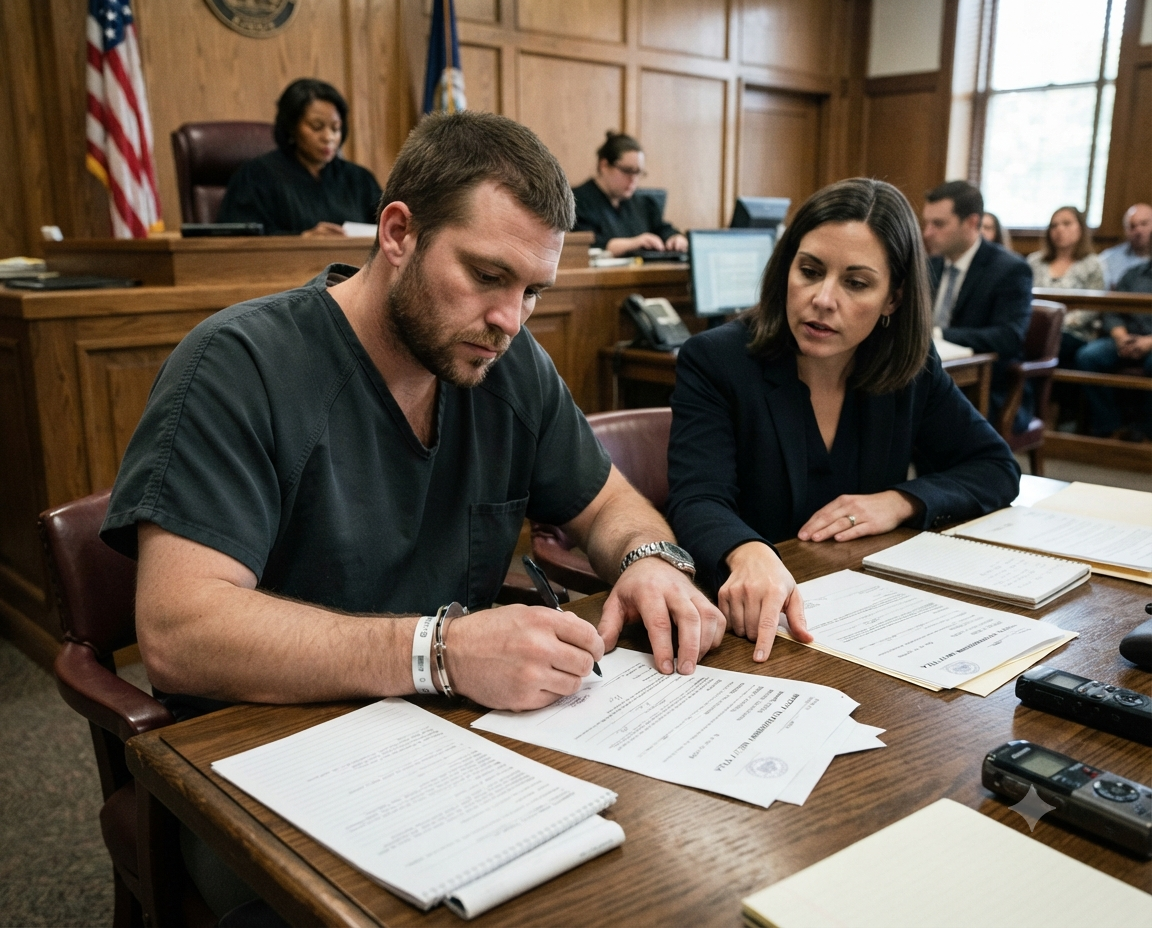
A guilty plea is one of the most significant decisions a person can make in a California criminal case. When someone pleads guilty, they usually give up the right to a trial and accept a criminal conviction in exchange for a negotiated outcome or other legal benefit.
But what happens if a person later realizes they made the wrong decision? What if they did not fully understand the consequences, relied on incorrect information, or felt pressured into accepting a plea?
Many people ask: Can you withdraw a guilty plea in California?
The answer is sometimes yes, but withdrawing a guilty plea is not automatic. California courts allow defendants to request withdrawal of a guilty plea in certain situations, but the person must usually show a legally recognized reason why the plea should not stand.
The circumstances surrounding the plea, the timing of the request, and the reason for seeking withdrawal can all affect what options may be available.
What Does It Mean to Withdraw a Guilty Plea?
Withdrawing a guilty plea means asking the court to allow a defendant to take back the plea and return the criminal case to the stage before the plea was entered.
If the court grants the request, the guilty plea may be removed. The case does not disappear automatically, but the defendant may have the opportunity to continue the case without the prior guilty plea in place.
Depending on the situation, the case may proceed toward trial, another plea agreement, or another legal resolution.
However, a defendant generally cannot withdraw a guilty plea simply because they regret the decision or are unhappy with the result.
California courts require a legal basis before allowing a guilty plea to be withdrawn.
Can You Withdraw a Guilty Plea Before Sentencing?
In many cases, the strongest opportunity to request withdrawal of a guilty plea is before sentencing.
Under California Penal Code section 1018, a defendant may ask the court to withdraw a guilty plea by showing good cause. This generally means demonstrating that the plea was not the result of a fully informed and voluntary decision.
California courts may consider whether the defendant’s decision was affected by factors such as:
- A misunderstanding of important consequences
- Incorrect legal advice
- Pressure that overcame the defendant’s free judgment
- A mistake about the terms of the plea agreement
- Other circumstances affecting the validity of the plea
The judge reviews the facts of the individual case and decides whether the legal standard has been met.
Can You Withdraw a Guilty Plea After Sentencing?
After sentencing, withdrawing a guilty plea becomes more complicated.
Once judgment has been entered, a defendant generally cannot use the same process available before sentencing. Instead, other legal remedies may need to be considered depending on the circumstances.
Possible options may include:
- An appeal in certain situations
- A petition for writ of habeas corpus
- Other post-conviction relief procedures
The available path depends on factors such as why the person wants to challenge the plea, when the issue was discovered, and what happened during the criminal proceedings.
Because post-conviction procedures often involve strict requirements and deadlines, timing can be extremely important.
What Are Valid Reasons to Withdraw a Guilty Plea?
A court will not usually allow a guilty plea to be withdrawn simply because someone changed their mind. The defendant generally must show that something affected their ability to make a knowing and voluntary decision.
Some situations that may support a request include:
1. The Guilty Plea Was Not Voluntary
A guilty plea must be entered voluntarily. A person must make the decision based on their own judgment rather than improper pressure or coercion.
For example, if someone was threatened with consequences that were not legally accurate or was pressured in a way that prevented them from making a free decision, the validity of the plea may become an issue.
This is different from normal plea negotiations. Prosecutors and defense attorneys routinely discuss possible consequences, and a defendant may choose a plea agreement after considering those options.
2. The Defendant Did Not Understand the Consequences of the Plea
Before accepting a guilty plea, the court must ensure that the defendant understands important rights and consequences.
A plea may be challenged if a defendant did not understand significant information, such as:
- The rights being waived by pleading guilty
- The nature of the charges
- Possible sentencing consequences
- Immigration consequences
- Other serious effects of the conviction
For example, a non-citizen who accepts a plea without understanding that the conviction could create immigration problems may have legal issues that need further review.
3. Incorrect Information Influenced the Decision to Plead Guilty
A guilty plea may also raise concerns if incorrect information played an important role in the defendant’s decision.
For example, suppose someone accepts a plea agreement because they were incorrectly told they would receive a specific sentencing outcome, but that information was not accurate. If that misunderstanding significantly affected the decision to plead guilty, it may become relevant when evaluating whether the plea was properly entered.
4. Ineffective Assistance of Counsel
Some people ask whether they can withdraw a guilty plea because their attorney gave poor advice.
A lawyer’s advice does not automatically make a guilty plea invalid. Criminal defense attorneys often recommend plea agreements after evaluating the risks and benefits of different options.
However, a defendant may have a legal issue if their attorney’s performance was seriously deficient and that problem affected the decision to plead guilty.
Examples may include situations where an attorney:
- Failed to explain important consequences of the plea
- Provided seriously incorrect legal information
- Failed to investigate information that could have affected the plea decision
- Did not properly communicate important plea terms
A defendant generally must show both that the legal representation was inadequate and that the problem affected their choice to plead guilty.
Can You Withdraw a Guilty Plea Because You Regret It?
Usually, no.
Regretting a guilty plea is not generally enough to convince a California court to allow withdrawal.
For example, a person who accepts a plea agreement and later believes they should have gone to trial typically cannot withdraw the plea simply because they are unhappy with the outcome.
Courts focus on whether there was a legal problem with the plea process, not whether the defendant later wishes they had made a different decision.
How Long Do You Have to Withdraw a Guilty Plea?
The timing depends on the circumstances and the legal procedure being used.
Before sentencing, a defendant may request withdrawal of a plea under California Penal Code section 1018 by showing good cause.
After sentencing, different deadlines and requirements may apply depending on whether the person is seeking an appeal, habeas relief, or another form of post-conviction relief.
Because delays can affect available legal options, anyone considering challenging a guilty plea should carefully evaluate the situation as soon as possible.
What Happens at a Hearing to Withdraw a Guilty Plea?
If the court schedules a hearing, the judge may review evidence related to how the guilty plea was entered.
The hearing may involve:
- Statements from the defendant
- Testimony from attorneys or witnesses
- Court transcripts
- Plea forms
- Evidence about the information provided before the plea
The judge will consider whether the defendant has shown sufficient legal grounds for withdrawal.
The court’s decision depends on the specific facts and evidence presented.
Can You Withdraw a Guilty Plea After Accepting a Plea Deal?
Accepting a plea agreement does not always prevent a person from requesting withdrawal of the plea.
Many criminal cases are resolved through plea agreements because they may reduce charges, limit potential penalties, or provide a more predictable outcome.
However, a defendant generally must show a valid legal reason why the plea should be withdrawn. Simply wanting a different deal or wishing the case had turned out differently is usually not enough.
Does Withdrawing a Guilty Plea Dismiss the Charges?
No.
If a guilty plea is withdrawn, it does not automatically end the criminal case.
Instead, the case typically returns to an earlier stage. The prosecution may still continue with the charges, and the defendant may need to resolve the matter through trial, another plea agreement, or another legal process.
The outcome depends on the facts of the case and the decisions made during the proceedings.
Common Questions About Withdrawing a Guilty Plea
Can I take back a guilty plea in California?
Possibly. A guilty plea may be withdrawn in certain situations, but the defendant generally must show a legally recognized reason, such as a lack of understanding, improper pressure, or another issue affecting the validity of the plea.
Can a judge deny a request to withdraw a guilty plea?
Yes. A judge may deny the request if the defendant does not meet the required legal standard or does not provide enough evidence supporting the request.
Can new evidence allow me to withdraw my guilty plea?
Possibly, but new evidence alone does not automatically allow withdrawal. The legal options depend on when the evidence was discovered and how it affects the case.
What if I pleaded guilty because my lawyer told me I had no chance of winning?
That statement alone may not be enough. Attorneys are allowed to discuss risks and possible outcomes. The important issue is whether the advice was legally unreasonable and whether it affected the decision to plead guilty.
Do I need a lawyer to withdraw a guilty plea?
A person may attempt to handle the process without an attorney, but plea withdrawal requests can involve complicated legal standards, court procedures, and deadlines. Many people seek legal guidance to better understand their available options.
Factors California Courts Consider in Guilty Plea Withdrawal Requests
Courts may consider factors such as:
- Whether the defendant understood the plea
- Whether the plea was voluntary
- Whether accurate information was provided
- Whether legal advice affected the decision
- Whether the request was made promptly
- Whether evidence supports the defendant’s claims
- Whether the withdrawal request is supported by legal authority
No single factor determines the result. Courts examine the entire situation surrounding the plea.
Understanding Your Options After a Guilty Plea
A guilty plea can have serious and long-lasting consequences, but in some situations, California law provides ways to challenge a plea that may not have been entered properly.
Whether a guilty plea can be withdrawn depends on the specific circumstances, including why the plea was entered, what information the defendant received, and when the request is made.
Contact Southwest Legal
If you are concerned about whether a guilty plea can be withdrawn, or if you have questions about criminal charges, plea agreements, or defense options, consulting with a qualified legal professional can help you understand your possible next steps.
Southwest Legal helps individuals throughout Southern California who are seeking information about guilty pleas, criminal defense matters, and their legal options. If you need assistance regarding your situation, contact us today for a free consultation and to learn more about the options that may be available.
Disclaimer: This article is for general informational purposes only and does not constitute legal advice or create an attorney-client relationship. No attorney-client relationship is formed unless and until the firm and client enter into an agreement for legal services. Laws may change, and legal outcomes depend on the specific facts of each case. Consult a qualified attorney for advice regarding your situation.