


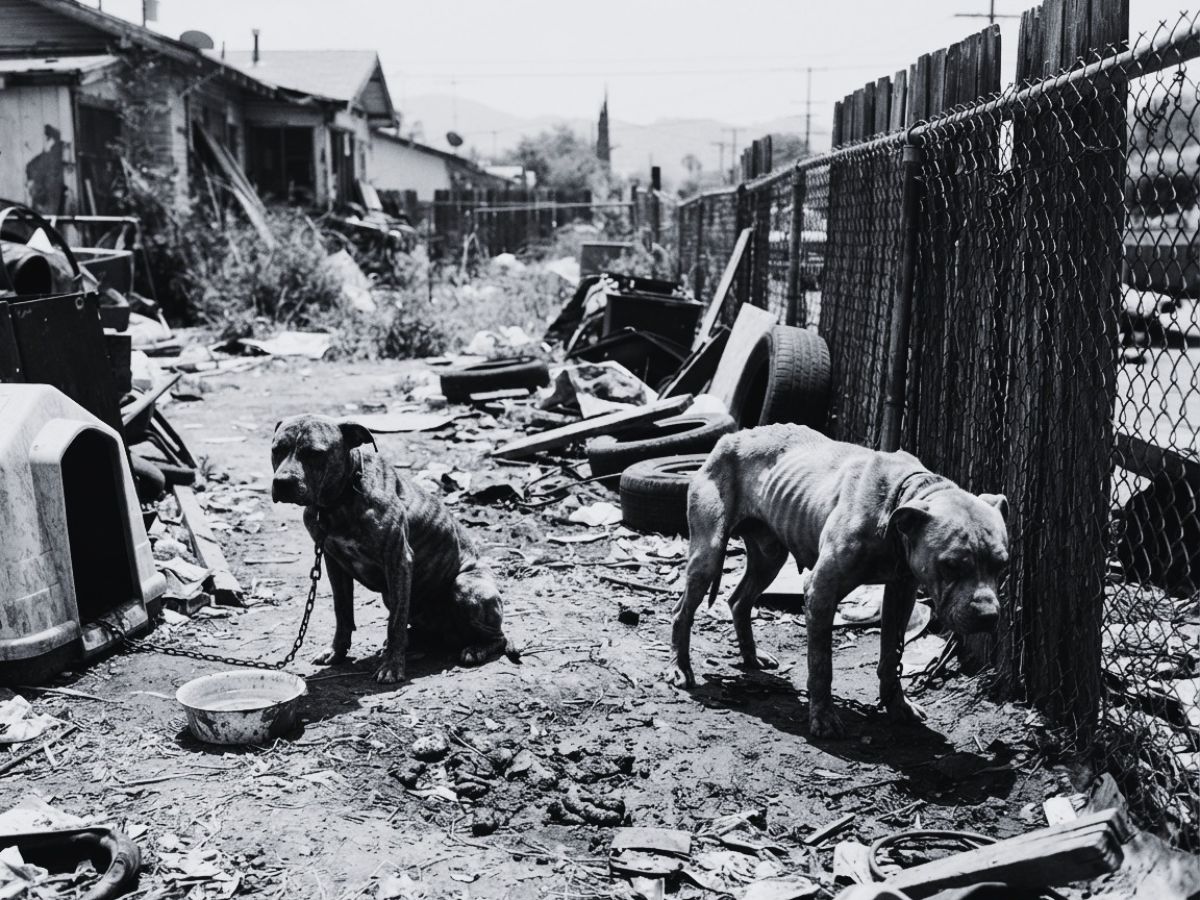
Animal neglect in California can result in criminal charges, animal seizure, financial liability, and the possible loss of ownership rights. Under California Penal Code § 597.1, an owner, driver, or keeper who permits an animal to remain without proper care and attention is guilty of a misdemeanor.
Understanding California’s animal neglect laws is important for pet owners and animal caretakers, especially when an animal neglect complaint leads to an investigation or seizure by animal control authorities.
What Is Animal Neglect Under California Penal Code § 597.1?
Animal neglect involves failing to provide an animal with proper care and attention necessary for its health and well-being.
California Penal Code § 597.1(a)(1) states:
“Every owner, driver, or keeper of any animal who permits the animal to be in any building, enclosure, lane, street, square, or lot of any city, county, city and county, or judicial district without proper care and attention is guilty of a misdemeanor.”
This provision establishes misdemeanor liability for qualifying animal neglect.
The statute specifically identifies three categories of potentially responsible individuals:
- Owners: Individuals who own the animal.
- Drivers: Individuals responsible for driving or transporting the animal.
- Keepers: Individuals who have custody or responsibility for the animal.
This means responsibility is not necessarily limited to the person whose name appears on the animal’s ownership records. The circumstances and applicable legal requirements determine who may be held responsible.
What Are Examples of Animal Neglect?
Animal neglect may involve different forms of inadequate care, depending on the animal’s needs and circumstances.
Examples include:
- Failure to provide food: Not providing sufficient food to maintain an animal’s health.
- Lack of drinking water: Leaving an animal without adequate access to water.
- Inadequate shelter: Exposing an animal to dangerous weather conditions without appropriate protection.
- Unsanitary conditions: Keeping an animal in an environment that threatens its health.
- Untreated injuries or illness: Failing to address serious medical conditions requiring attention.
- Unsafe confinement: Keeping an animal in an enclosure that creates a risk of injury or prevents necessary movement.
- Abandonment: Leaving an animal without arranging appropriate care.
These situations may trigger an animal neglect investigation. Whether they constitute a violation depends on the facts and applicable legal requirements.
Does Animal Neglect Require Intentional Harm?
No. Penal Code § 597.1(a)(1) does not expressly require proof that an owner intentionally injured an animal.
The provision focuses on whether an owner, driver, or keeper permits an animal to remain without proper care and attention.
For example, an owner who leaves a dog without adequate food, water, or shelter may face an investigation even if there was no intention to hurt the animal.
What Are the Criminal Penalties for Animal Neglect Under California Penal Code § 597.1?
A violation of California Penal Code § 597.1(a)(1) is a misdemeanor.
Under California Penal Code § 19, the general punishment for a misdemeanor without a different punishment specifically prescribed is:
- Up to six months in county jail.
- A fine of up to $1,000.
- Both imprisonment and a fine.
In addition to criminal penalties, an animal neglect investigation may result in:
- Seizure or impoundment of the animal.
- Veterinary care and treatment expenses.
- Financial responsibility for applicable seizure and care costs.
- Possible forfeiture of the animal.
- Court-ordered restrictions on animal ownership or care following a qualifying conviction.
The actual consequences depend on the circumstances and outcome of the case.
Can Animal Control Seize an Animal for Neglect in California?
Yes. California Penal Code § 597.1 authorizes peace officers, humane society officers, and animal control officers to take possession of qualifying stray or abandoned animals when the statutory requirements are met.
The law provides different procedures depending on whether immediate seizure is necessary.
When Can Animal Control Immediately Seize an Animal?
Under § 597.1(a)(1), an authorized officer must immediately seize an animal when there are reasonable grounds to believe that very prompt action is necessary to protect the animal’s health or safety or the health or safety of others.
For example, if a dog is confined outdoors in extreme heat without water and shows signs of severe dehydration, an officer may determine that immediate seizure is necessary.
In these circumstances, the agency must follow the applicable postseizure hearing procedures.
What Happens When Immediate Seizure Is Not Necessary?
When immediate seizure is unnecessary, § 597.1(g) generally requires the agency to provide the owner or keeper with an opportunity for a hearing before the animal is seized.
The notice must explain the reasons for the proposed seizure and provide information about requesting a hearing.
This gives the owner an opportunity to challenge the proposed action before losing custody of the animal.
What Are Your Rights If Animal Control Seizes Your Pet?
California Penal Code § 597.1 provides hearing procedures for owners whose animals have been seized. The applicable deadlines depend on the type of seizure.
1. Right to Notice
Under subdivision (f), following an emergency seizure, the agency must generally provide notice within 48 hours, excluding weekends and holidays.
The notice identifies the seized animal, explains the reason for the seizure, and provides instructions for requesting a hearing.
2. Right to Request a Hearing
For an emergency seizure, the owner or authorized person generally has 10 days, including weekends and holidays, from the notice date to request a postseizure hearing.
For a nonemergency proposed seizure, the owner generally has two days, excluding weekends and holidays, from the notice date to request a hearing.
The applicable hearing must generally take place within 48 hours after the request, excluding weekends and holidays.
3. Responsibility for Animal Care Costs
If the seizure is upheld, the owner or keeper may be responsible for the applicable costs of seizure, care, and treatment.
The animal generally cannot be returned until the required charges are paid and the owner demonstrates an ability and willingness to provide proper care.
Important: Missing the applicable hearing deadlines can affect your ability to challenge an animal seizure. Review the notice carefully and act promptly.
Can You Get Your Pet Back After an Animal Neglect Seizure?
Yes, potentially. An animal may be returned if the applicable legal requirements are satisfied.
Under California Penal Code § 597.1, the owner generally must:
- Pay applicable seizure, care, and treatment charges.
- Demonstrate the ability and willingness to provide proper care.
- Comply with the applicable hearing and agency requirements.
However, an animal may not be returned if the legal requirements for continued impoundment, forfeiture, or another lawful disposition are satisfied.
Can an Animal Be Considered Abandoned After Seizure?
Yes. Under Penal Code § 597.1(h), an animal may be deemed abandoned when the owner fails to satisfy applicable payment and recovery requirements within the statutory 14-day periods.
The provision also addresses circumstances in which an animal requires veterinary treatment but the agency is not assured that the owner will provide the necessary care.
An animal deemed abandoned may be humanely euthanized or otherwise lawfully disposed of by the responsible agency.
What Is the Difference Between Animal Neglect and Animal Cruelty in California?
Animal neglect and animal cruelty are related but distinct legal concepts.
California Penal Code § 597.1 addresses animals kept without proper care and attention, along with procedures for seizure and treatment.
Penal Code § 597 addresses specified forms of animal cruelty, including torture, unnecessary suffering, and other prohibited conduct.
| Animal Neglect – § 597.1 | Animal Cruelty – § 597 |
|---|---|
| Addresses failure to provide proper care and attention | Addresses specified forms of cruelty and abuse |
| May involve inadequate food, water, or shelter | May involve torture, injury, or unnecessary suffering |
| Establishes animal seizure and treatment procedures | Establishes criminal penalties for specified cruelty offenses |
| Subdivision (a)(1) classifies the violation as a misdemeanor | Depending on the conduct, the offense may be a misdemeanor or felony |
Some situations may involve both provisions. For example, repeatedly depriving an animal of food and water may raise concerns under both animal neglect and animal cruelty laws, depending on the circumstances.
What Evidence Is Used in an Animal Neglect Investigation?
Animal neglect investigations may involve evidence showing whether an animal received proper care and attention.
Common types of evidence include:
- Photographs and videos: Images documenting an animal’s living conditions, injuries, and access to food and water.
- Veterinary records: Medical examinations and treatment histories.
- Witness statements: Accounts from neighbors, caretakers, or other individuals familiar with the animal’s circumstances.
- Inspection reports: Documentation prepared by animal control officers.
- Care records: Documents showing food, water, shelter, and medical care.
For example, if a neighbor reports that a dog has been left outside without adequate water, animal control may inspect the property, document the dog’s condition, and arrange a veterinary examination.
The evidence may help determine whether animal seizure or criminal charges are appropriate.
What Changed in California Animal Neglect Law in 2026?
California enacted Assembly Bill 2344 (AB 2344), Chapter 599 of the Statutes of 2026, which amends Penal Code § 597.1.
The amendment expands certain provisions concerning financial responsibility for seized animals. Previously, these provisions applied to animals seized under § 597.1 or pursuant to a search warrant. The amendment extends them to animals seized under any provision of California law.
AB 2344 was approved and chaptered on September 27, 2026. Its general effective date is January 1, 2027.
This distinction is important:
- Through December 31, 2026: The existing statutory language applies.
- Beginning January 1, 2027: The amended provisions expand the applicable financial responsibility and abandonment rules to animals seized under other provisions of California law.
Animal owners and individuals involved in seizure proceedings should understand which version of the statute applies to their circumstances.
Frequently Asked Questions
1. Is animal neglect a misdemeanor in California?
Yes. Under Penal Code § 597.1(a)(1), an owner, driver, or keeper who permits an animal to remain without proper care and attention is guilty of a misdemeanor.
2. Can animal control take my pet for neglect?
Yes. Authorized officers may seize an animal when the statutory requirements are satisfied. Immediate seizure is permitted when very prompt action is necessary to protect the animal or others.
3. Can I get my pet back after it is seized?
Potentially. You may recover your animal by satisfying applicable payment requirements and demonstrating that you can and will provide proper care, subject to the applicable legal procedures.
4. How long do I have to request an animal seizure hearing?
For an emergency seizure, the general deadline is 10 days, including weekends and holidays, from the notice date. For a nonemergency proposed seizure, the general deadline is two days, excluding weekends and holidays.
5. Can I be charged with animal neglect if my pet is not injured?
Yes. Visible injuries are not necessarily required. A failure to provide proper care and attention may violate the law even if the animal has no obvious physical injuries.
6. What is the punishment for animal neglect in California?
A violation of § 597.1(a)(1) is a misdemeanor generally punishable by up to six months in county jail, a fine of up to $1,000, or both.
7. Can animal neglect result in losing ownership of my pet?
Yes. An animal may be forfeited or otherwise lawfully disposed of when the applicable statutory requirements are met. A qualifying conviction may also result in court-ordered restrictions on animal ownership.
8. What is the difference between Penal Code § 597 and § 597.1?
Penal Code § 597 addresses specified forms of animal cruelty, while § 597.1 addresses animals kept without proper care and attention and establishes procedures for seizure and treatment.
Key Takeaways
California Penal Code § 597.1 establishes legal consequences for animal neglect and provides procedures for protecting animals from inadequate care.
The most important points include:
- Animal neglect under § 597.1(a)(1) is a misdemeanor.
- Owners, drivers, and keepers must provide proper care and attention.
- Authorized officers may seize animals when statutory requirements are satisfied.
- Emergency and nonemergency seizures involve different hearing procedures.
- Owners may be responsible for animal seizure and treatment expenses.
- Failure to satisfy applicable recovery requirements may result in the loss of an animal.
- AB 2344 expands certain provisions concerning financial responsibility for seized animals beginning January 1, 2027.
Understanding California’s animal neglect laws can help individuals recognize their responsibilities and understand their rights when facing an investigation.
Speak With Southwest Legal About Animal Neglect Charges
Facing an animal neglect accusation can be overwhelming. Beyond the possibility of criminal penalties, you may be worried about losing your pet, paying substantial animal care expenses, or dealing with an investigation that could affect your future.
Understanding your rights and the legal procedures that apply is an important first step.
Whether you are facing an animal neglect allegation, dealing with an animal seizure, or trying to understand the consequences of Penal Code § 597.1, obtaining reliable legal information can help you make informed decisions.
Southwest Legal is committed to helping individuals better understand California criminal law and the legal challenges they may face. You deserve an opportunity to understand the allegations, evaluate your options, and approach the situation with clarity.
Do not let confusion about California animal neglect laws prevent you from understanding your rights and responsibilities.
Take the next step toward understanding your legal situation. Contact us today for a free consultation to discuss your concerns, learn about the legal process, and determine what steps may be appropriate for your circumstances.
Disclaimer: This article is for general informational purposes only and does not constitute legal advice or create an attorney-client relationship unless and until the firm and client enter into an agreement for legal services. Laws may change, and legal outcomes depend on the specific facts of each case. Consult a qualified attorney for advice regarding your situation.