


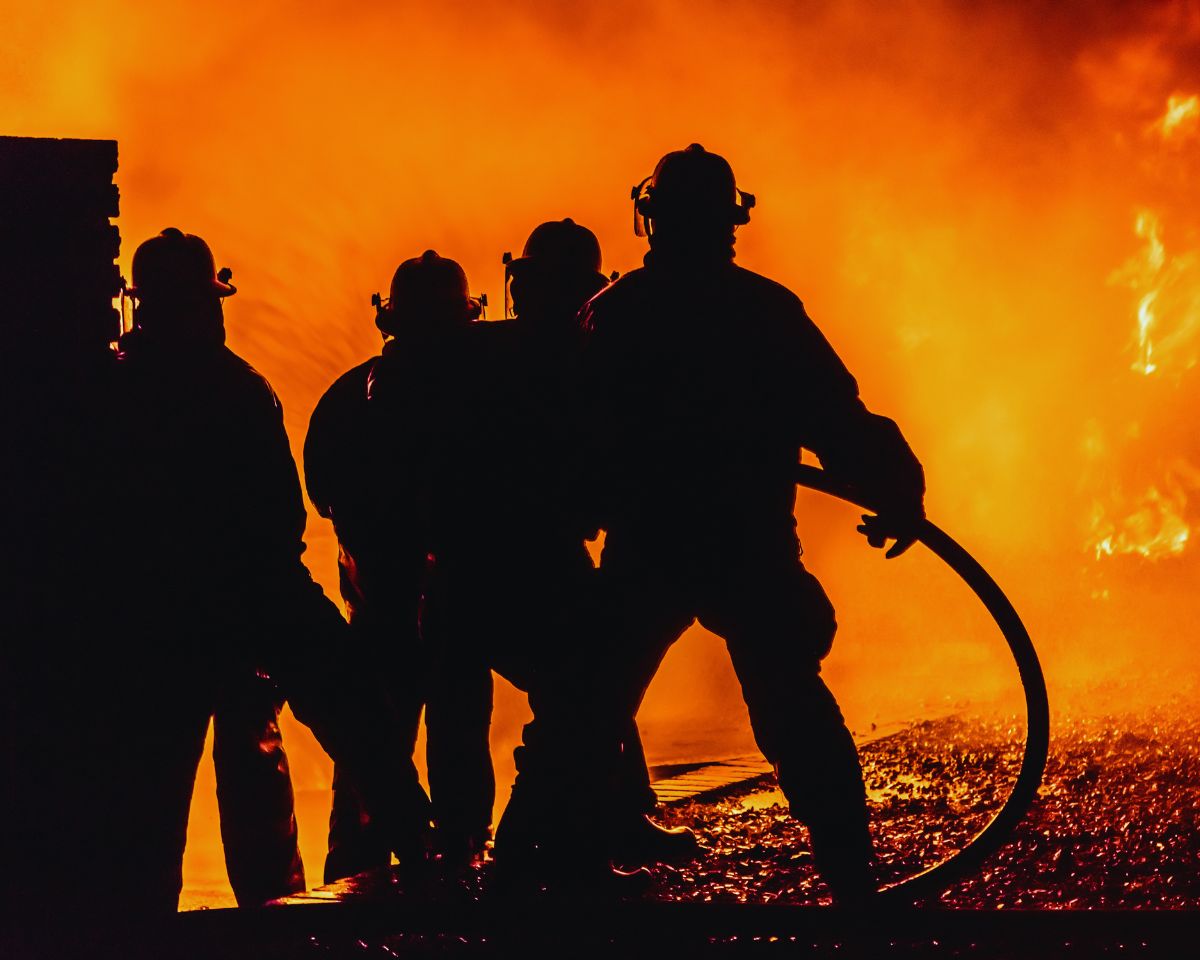
When most people think of arson, they often imagine someone intentionally setting fire to property or land. However, in California, arson is more complex than that. There are important legal differences between simple arson and aggravated arson, and understanding those distinctions is crucial—especially if you’re facing criminal charges.
This article explains what qualifies as aggravated arson under California law, how it differs from simple arson, the potential penalties, and what to expect if you’re charged.
What Is Arson Under California Law?
Arson refers to the act of deliberately or recklessly setting fire to property, land, or structures. California law separates arson into different categories depending on how the fire was set, what was damaged, and whether anyone was hurt.
Simple arson—also known as malicious arson—requires that the act be done willfully and maliciously. This means the person intended to start the fire and understood the likely consequences of their actions. Simple arson can involve burning personal property, uninhabited structures, or even inhabited homes. The penalties vary depending on what was damaged and whether any injuries occurred.
In contrast, another related charge is reckless burning, where someone causes a fire through careless behavior without intent to destroy. While still criminal, reckless burning is generally treated as less serious than either simple or aggravated arson.
Defining Aggravated Arson in California
Aggravated arson is a specific and more serious criminal offense under California Penal Code. It applies when certain aggravating factors are present in an arson case. These factors elevate the charge from simple arson to aggravated arson, which comes with far more severe penalties.
A person may be charged with aggravated arson if any of the following conditions apply:
The individual has a prior arson-related conviction within the last ten years.
The fire caused extreme damage, with financial losses—often including firefighting costs—exceeding several million dollars.
The fire destroyed five or more inhabited structures, such as homes or occupied buildings.
There was clear intent to cause injury or to destroy property likely to cause injury to others.
To be convicted of aggravated arson, prosecutors must often prove that the act was not only intentional and malicious but also premeditated or committed under especially dangerous circumstances.
Key Differences Between Simple and Aggravated Arson
The main difference between simple arson and aggravated arson lies in the level of destruction, intent, and the criminal history of the defendant.
Simple arson might involve someone setting fire to a single structure or piece of property. If the fire results in damage but does not meet any aggravating criteria, the person may be charged with simple arson.
Aggravated arson, on the other hand, implies a much greater level of harm or risk. It typically involves repeated behavior, large-scale destruction, or threats to human life. The intent behind the act plays a significant role as well. For example, someone who plans a fire specifically to injure others or destroy multiple homes is far more likely to face an aggravated arson charge.
Penalties for Aggravated Arson
Aggravated arson is among the most severely punished property crimes in California. While simple arson can carry prison sentences of 2 to 9 years depending on the circumstances, aggravated arson can result in a sentence of 10 years to life in prison.
This crime is also considered a strike under California’s Three Strikes Law. A conviction for aggravated arson can significantly increase penalties for any future felony offenses.
In addition to prison time, those convicted may face substantial fines, mandatory restitution to victims, and even long-term consequences like mandatory arson registration. This registration functions similarly to a sex offender registry and can affect housing, employment, and personal relationships for years.
Collateral Consequences of an Aggravated Arson Conviction
The legal penalties are just the beginning. A conviction for aggravated arson can carry lasting consequences well beyond time behind bars.
First, a felony conviction stays on your criminal record, potentially limiting job opportunities, housing eligibility, and professional licensing. If you’re not a U.S. citizen, a conviction for aggravated arson may also trigger immigration consequences, including deportation.
In many cases, judges can also require individuals convicted of aggravated arson to register as an arson offender. This registration must be updated annually and whenever the person changes residences, making it extremely difficult to move forward with a normal life.
Additionally, because aggravated arson often involves large-scale destruction or injury, civil lawsuits from victims may follow the criminal case. Defendants could be responsible for hundreds of thousands—or even millions—of dollars in restitution.
Examples of Aggravated Arson
Recent California wildfires have led to several high-profile aggravated arson cases. For instance, individuals caught setting multiple fires during wildfire season, or who have caused injury to firefighters, have been charged with aggravated arson and faced life sentences.
These cases highlight the seriousness with which the state treats fire-related crimes, especially when lives and entire communities are at risk. Judges and prosecutors have little tolerance for actions that contribute to California’s already dangerous wildfire conditions.
Common Defenses Against Aggravated Arson Charges
While aggravated arson is a serious charge, a skilled criminal defense attorney may still be able to mount a strong defense.
One potential defense is the lack of intent. If it can be proven that the fire was started accidentally, or without malicious purpose, the charge may be reduced or dismissed. In other cases, the defense may challenge whether the defendant actually started the fire at all—especially if the evidence is circumstantial or based on witness testimony.
Another approach is to contest the aggravating factors. For example, if the prosecution cannot prove prior convictions, or if the damage total is less than claimed, the aggravated arson charge may not hold.
Mental health issues can also be a factor. In some cases, individuals may commit acts of arson due to psychological conditions or under emotional distress. Courts may take this into account during sentencing or even allow alternative options like treatment programs.
Why You Need a Defense Attorney
If you’re facing a charge of aggravated arson, it’s crucial to get legal help immediately. Prosecutors are aggressive when pursuing arson cases, and the consequences of a conviction can alter your life permanently.
A criminal defense lawyer experienced in aggravated arson cases will evaluate the evidence, identify weaknesses in the prosecution’s case, and advocate for your rights at every stage of the process. Whether it involves negotiating a plea, challenging the validity of the charge, or taking your case to trial, legal representation is key to securing the best possible outcome.
Conclusion
Aggravated arson is one of the most serious property crimes in California. Unlike simple arson, it involves greater intent, destruction, or repeat offenses—and carries much harsher penalties, including potential life imprisonment.
If you or a loved one is under investigation or has been charged with aggravated arson, take the situation seriously. Legal action should be swift and strategic. Reach out to a criminal defense attorney who understands how to navigate California’s complex arson laws and can help protect your rights, freedom, and future.
At Southwest Legal, we have the experience and dedication to defend you against even the most serious arson charges. Our team understands the high stakes of aggravated arson cases and will fight to reduce your charges, challenge the evidence, and advocate for the best possible outcome.
Call us today for a free consultation. Don’t wait—your defense starts now.