


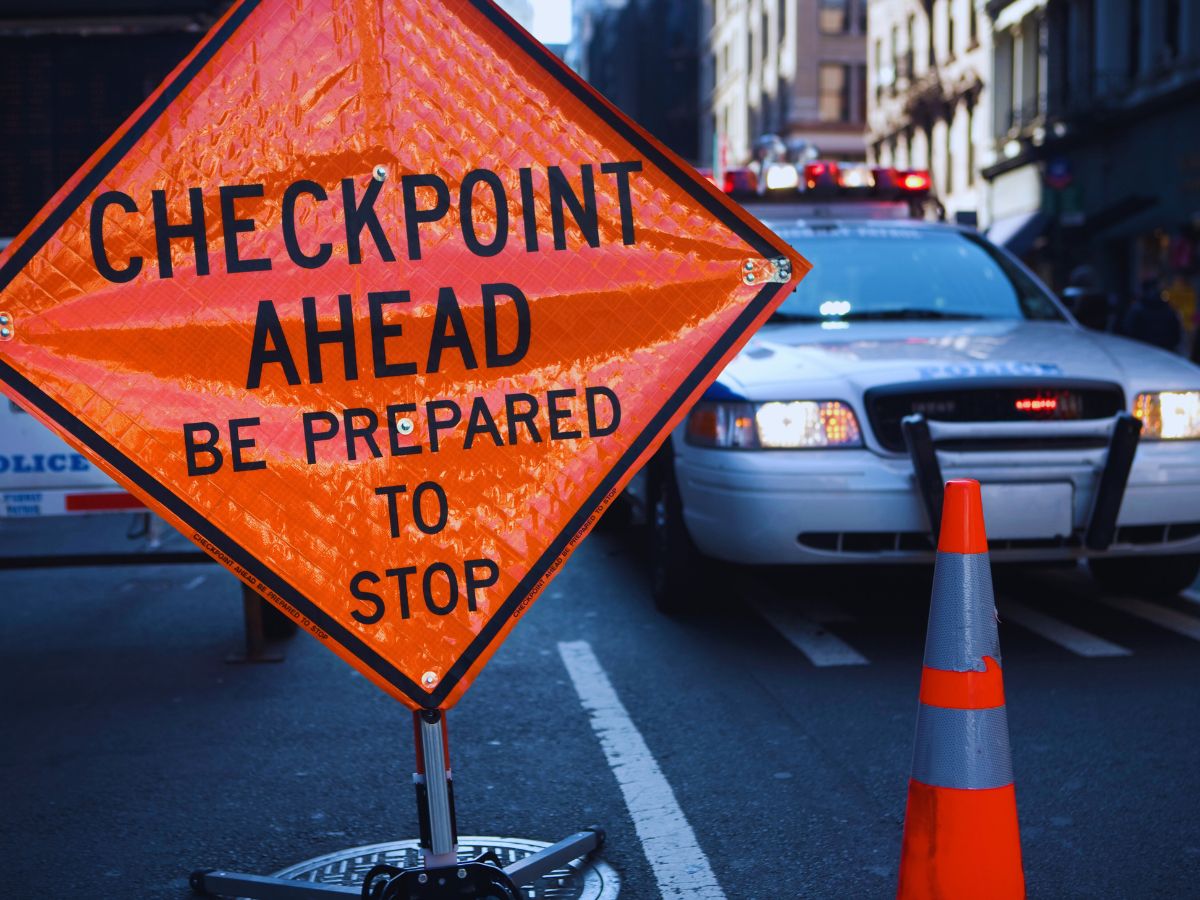
Driving under the influence (DUI) is a serious offense, and California law enforcement takes it seriously. One common method police use to deter and catch impaired drivers is through DUI checkpoints, also known as sobriety checkpoints. But many Californians—and Americans in general—wonder: Are DUI checkpoints legal? More specifically, are they constitutional under the U.S. and California constitutions? In this comprehensive guide, we’ll answer the most common questions people search online and break down the legality of DUI checkpoints in California.
What Is a DUI Checkpoint?
A DUI checkpoint is a temporary roadblock set up by law enforcement to check drivers for signs of intoxication. These checkpoints are often established during weekends, holidays, or special events when alcohol consumption is higher. Officers may stop vehicles in a predetermined sequence (e.g., every third car) and look for signs of impairment such as slurred speech, bloodshot eyes, or the smell of alcohol.
Are DUI Checkpoints Legal in California?
Yes, DUI checkpoints are legal in California, but only under specific conditions. Both federal and state courts have upheld their legality, provided that certain constitutional guidelines are followed.
What Does the Constitution Say About DUI Checkpoints?
The Fourth Amendment and DUI Checkpoints
The Fourth Amendment of the U.S. Constitution protects citizens from “unreasonable searches and seizures.” Normally, police must have probable cause or a warrant to stop and search a vehicle.
However, in the landmark case Michigan Dept. of State Police v. Sitz (1990), the U.S. Supreme Court ruled that DUI checkpoints do not violate the Fourth Amendment as long as they are conducted in a reasonable manner. The Court reasoned that the government’s interest in preventing drunk driving outweighed the minimal intrusion to drivers.
California Constitution
The California Supreme Court also supports the legality of sobriety checkpoints, but it emphasizes strict compliance with guidelines to ensure that drivers’ constitutional rights are respected.
California Requirements for Legal DUI Checkpoints
To remain legal and constitutional, California law enforcement agencies must adhere to specific standards, as outlined in Ingersoll v. Palmer (1987). These include:
1. Supervisory Approval
A supervising officer must make all decisions about where and how the checkpoint is conducted.
2. Neutral Formula for Stopping Vehicles
Officers cannot stop drivers randomly. They must use a pre-set formula, such as every third or fifth car.
3. Safety Precautions
The checkpoint must be conducted in a safe location with adequate lighting, signs, and warnings to approaching drivers.
4. Reasonable Location
The location must be based on data showing a high rate of DUI incidents or accidents.
5. Time and Duration
The checkpoint should be held for a reasonable amount of time to minimize disruption.
6. Clear Identification
There must be visible signs that it is a legitimate police operation—such as flashing lights, cones, and uniformed officers.
7. Minimal Intrusion
Officers can briefly speak to drivers, but cannot conduct a full search or ask for sobriety tests unless they observe signs of impairment.
8. Public Notification
While not required by law, publicizing DUI checkpoints in advance is a best practice that increases transparency and helps deter drunk driving.
Can You Legally Avoid a DUI Checkpoints?
Yes, you can legally avoid a DUI checkpoint as long as you do so safely and without violating any traffic laws. For example, if you see a checkpoint ahead and choose to take a legal U-turn or turn onto a side street, you are within your rights. However, officers may follow or stop you if they observe any illegal behavior, such as speeding, erratic driving, or failing to signal.
What Happens If You Refuse to Cooperate at a DUI Checkpoint?
You are required to:
Provide your driver’s license and registration
Answer basic questions briefly and respectfully
However, you are not required to answer incriminating questions, such as “Have you been drinking tonight?” You may invoke your Fifth Amendment right to remain silent.
If the officer suspects you’re under the influence, they may ask you to perform a field sobriety test or take a breathalyzer. Refusing these tests can lead to license suspension and legal penalties under California’s implied consent laws.
Are DUI Checkpoints Effective?
Studies have shown that DUI checkpoints can:
Deter impaired driving
Increase public awareness
Reduce alcohol-related crashes
However, some critics argue they can disproportionately affect certain communities and raise civil liberty concerns, especially if the checkpoints are not conducted fairly.
What Should You Do If You’re Stopped?
Here’s a quick checklist:
Stay calm and be polite
Have your license and registration ready
Do not admit guilt
You may decline to answer questions beyond identifying yourself
If arrested, request a lawyer and remain silent
Key Takeaways
DUI checkpoints are legal in California if they meet strict constitutional standards.
The U.S. Supreme Court has ruled that sobriety checkpoints do not violate the Fourth Amendment.
California law enforces additional guidelines to ensure fairness and legality.
You can legally avoid a checkpoint, but you cannot break traffic laws to do so.
Knowing your rights and responsibilities is essential if you encounter a DUI checkpoint.
Conclusion
DUI checkpoints walk a fine line between public safety and personal freedom. While they are legal in California, they must be conducted properly to remain constitutional. If you ever face a legal issue related to a DUI checkpoint, consulting a qualified California DUI attorney is your best course of action.
Frequently Asked Questions (FAQ)
Q: Are DUI checkpoints announced in advance?
A: Often, yes. Police departments may publish checkpoint locations online or in local news outlets, though it’s not legally required.
Q: Can I record a DUI checkpoint stop?
A: Yes, as long as you’re not interfering with the officers, recording is allowed under California law.
Q: Can I refuse a breathalyzer at a checkpoint?
A: You can refuse, but under California’s implied consent law, this may result in license suspension and other penalties.