


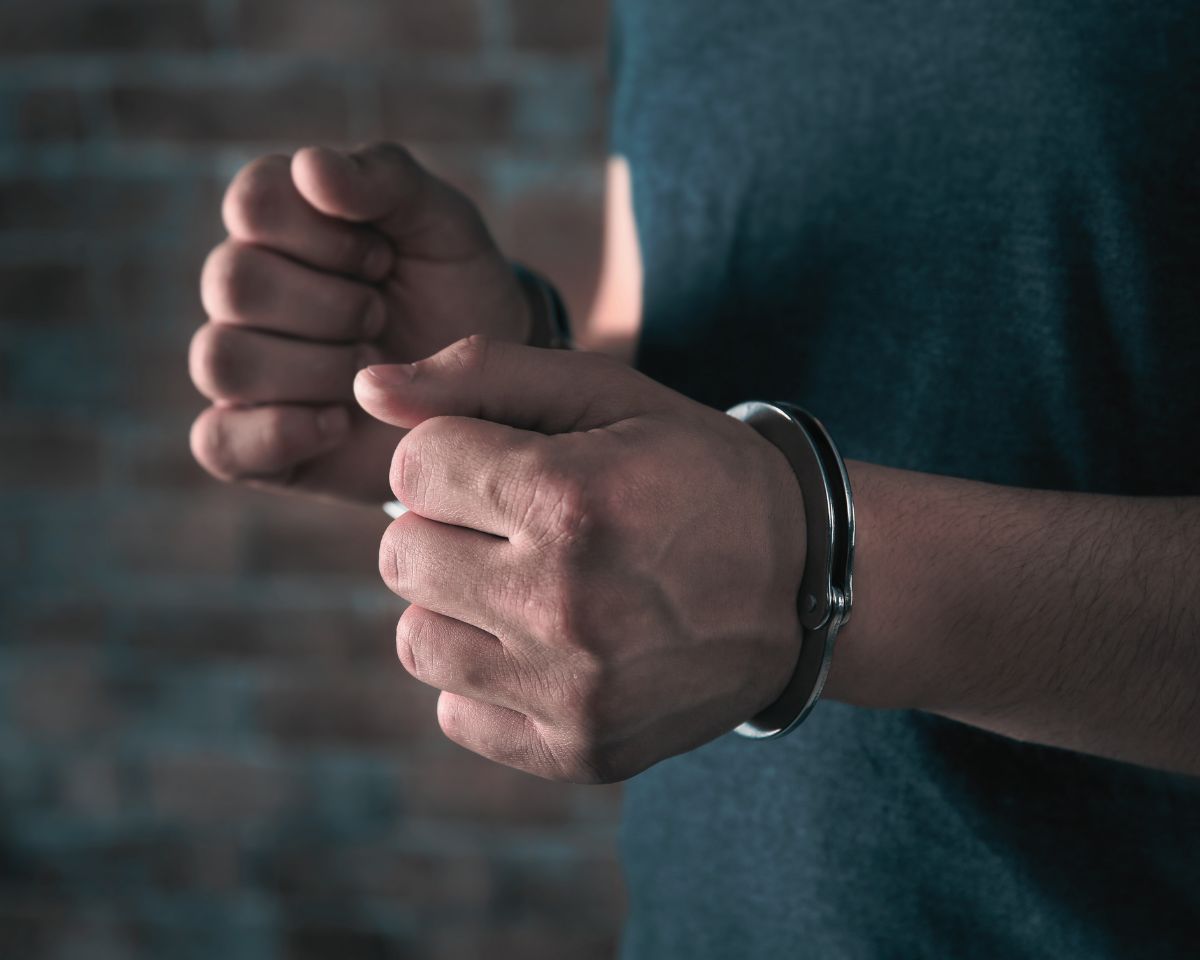
A burglary arrest in California can feel overwhelming. The penalties are severe, the accusations are intimidating, and the impact on your future can be life-changing. But an arrest does not equal guilt. California law gives defendants powerful rights and protections, and skilled defense attorneys know how to use those rights to challenge the prosecution’s case.
This article explains the top legal defense strategies attorneys use to get burglary charges dismissed in California. Whether you’re a defendant, a family member, or someone researching legal guidance, this comprehensive guide will help you understand how burglary cases are won—not by luck, but by strategy.
Understanding California Burglary Laws (Penal Code § 459)
California defines burglary as entering a structure, room, or locked vehicle with the intent to commit theft or any felony once inside.
Two Categories of Burglary
1. First-Degree Burglary (Residential)
-
Involves an inhabited dwelling
-
Always a felony
-
Punishable by 2, 4, or 6 years in prison
-
Considered a “strike” offense under the Three Strikes Law
2. Second-Degree Burglary (Commercial)
-
Involves businesses and non-residential buildings
-
Can be a misdemeanor or felony (“wobbler”)
-
Punishment ranges from probation to up to 3 years in custody
A key element in both degrees of burglary is intent at the moment of entry, which is one of the most commonly challenged elements in court.
Top Ways Attorneys Get Burglary Charges Dismissed in California
Below are the defense strategies most frequently used to weaken or eliminate burglary allegations.
1. Challenging the Intent Element (“No Intent to Commit a Crime”)
To obtain a burglary conviction, the prosecution must prove that the accused planned to commit a theft or felony before or at the time of entry.
Common defenses include:
-
The defendant entered for a lawful purpose
-
The alleged criminal act happened after the entry, without prior intent
-
The defendant went inside to retrieve belongings
-
Miscommunication or misunderstanding between parties (such as roommates, friends, or family)
Because intent is a mental state and based on circumstantial evidence, prosecutors often struggle to prove it beyond a reasonable doubt.
2. Suppressing Evidence from Illegal Searches (Fourth Amendment Violations)
If police searched someone’s:
-
home
-
vehicle
-
phone
-
personal belongings
-
pockets or backpack
without proper legal authority, any evidence found may be excluded.
A defense lawyer may file a motion to suppress the unlawfully obtained evidence. If the judge agrees, the prosecution often loses essential proof, leading to dismissal or significant reduction of the charges.
3. Challenging Unreliable Eyewitness Identification
Eyewitness testimony can be mistaken for reasons such as:
-
poor lighting
-
high stress
-
brief encounters
-
cross-racial identification issues
-
suggestive police procedures
If the attorney exposes how unreliable the identification is, prosecutors may not be able to place the defendant at the scene—making it difficult to move forward with the case.
4. Consent or Belief in Permission to Enter
Burglary cannot occur if the person had permission to enter, or reasonably believed they had permission.
Examples include:
-
A former tenant retrieving belongings
-
A person entering through a shared doorway
-
Situations involving friends or acquaintances with prior access
-
Miscommunication about access times or boundaries
Even if consent was later revoked, a reasonable belief of permission can undermine a burglary charge.
5. Showing That No Theft or Felony Actually Occurred
The prosecution must show an intent to steal or commit a felony inside the property. If no crime occurred and no evidence supports the idea that one was intended, the burglary charge becomes difficult to justify.
Examples:
-
Entering to check on someone or look around
-
Entering out of curiosity or confusion
-
Mental health issues preventing formation of intent
-
Intoxication that negates the required mental state
Without clear proof of intended criminal activity, dismissal becomes more likely.
6. Challenging Whether an “Entry” Happened at All
Entry is a required legal element of burglary. Defense lawyers may argue:
-
The defendant never actually crossed the threshold
-
The building or space doesn’t meet the legal definition of a “structure”
-
The area was open to the public
-
The door was open and no unlawful entry took place
These arguments can significantly weaken the prosecution’s case.
7. Attacking the Credibility or Sufficiency of the Prosecution’s Evidence
Defense attorneys review every detail, including:
-
surveillance footage quality
-
inconsistent witness statements
-
incomplete police reports
-
unclear timeframes
-
gaps in the chain of custody for evidence
If the state’s case appears weak or unreliable, the defense can push for dismissal or negotiate favorable reductions.
8. Reducing Burglary to Trespass or Petty Theft
Sometimes the evidence does not support a burglary charge but may support lesser offenses such as:
-
Trespass (Penal Code § 602)
-
Petty Theft (Penal Code § 484)
-
Attempted Burglary
-
Disturbing the Peace (rare but possible)
Reductions are often pursued when:
-
The defendant has little or no criminal history
-
No one was harmed
-
The value of property involved is low
-
The situation stemmed from a misunderstanding or personal dispute
Avoiding a felony conviction is a major benefit of these negotiated outcomes.
9. Presenting Alibi Evidence
An alibi can completely eliminate the possibility of guilt. Evidence can include:
-
witnesses who saw the defendant elsewhere
-
phone GPS data
-
work logs or timecards
-
receipts with timestamps
-
photos or video from another location
If evidence convincingly shows the defendant was not at the scene, prosecutors usually dismiss the case.
10. Using Expert Witnesses to Challenge Technical Evidence
Experts may be used to question:
-
fingerprint accuracy
-
DNA interpretation
-
surveillance footage
-
mental health evaluations
-
tools allegedly used in the burglary
Expert testimony can introduce reasonable doubt and undermine the prosecution’s narrative.
How Dismissals Happen Before Trial
Many burglary cases are resolved before reaching trial. Common methods include:
• Motions to Suppress Evidence
If key evidence is excluded, the prosecution may be forced to drop the case.
• Motions to Dismiss (Penal Code § 995)
Used when the prosecution lacks sufficient evidence after the preliminary hearing.
• Early negotiations with the prosecutor
If the defense reveals weaknesses early, prosecutors may choose dismissal over risking trial.
• Diversion Programs
In limited situations (mental health, substance-related issues), certain diversion programs may lead to full dismissal upon completion.
What to Do After a Burglary Arrest
1. Do not talk to police without a lawyer.
Anything you say can be used against you.
2. Avoid discussing the case with anyone.
Even innocent statements can be misinterpreted.
3. Preserve evidence.
Messages, receipts, photos, and witness names can be critical.
4. Contact a criminal defense attorney immediately.
Fast legal representation can dramatically change the outcome.
Conclusion
While burglary charges are serious, they are also highly defendable. California law places heavy burdens on the prosecution, and skilled defense attorneys know how to challenge intent, expose weak evidence, suppress unlawfully obtained items, and negotiate favorable outcomes.
In many cases, these strategies lead to dismissals, reduced charges, or significantly lesser penalties.
Call to Action — Contact Southwest Legal Today
If you or a loved one is facing burglary charges in Southern California, you don’t have to navigate the legal system alone. Southwest Legal is committed to protecting your rights, defending your freedom, and fighting aggressively to achieve the best possible outcome. Call us now for a confidential consultation. Your future matters—let a dedicated legal team stand by your side.