


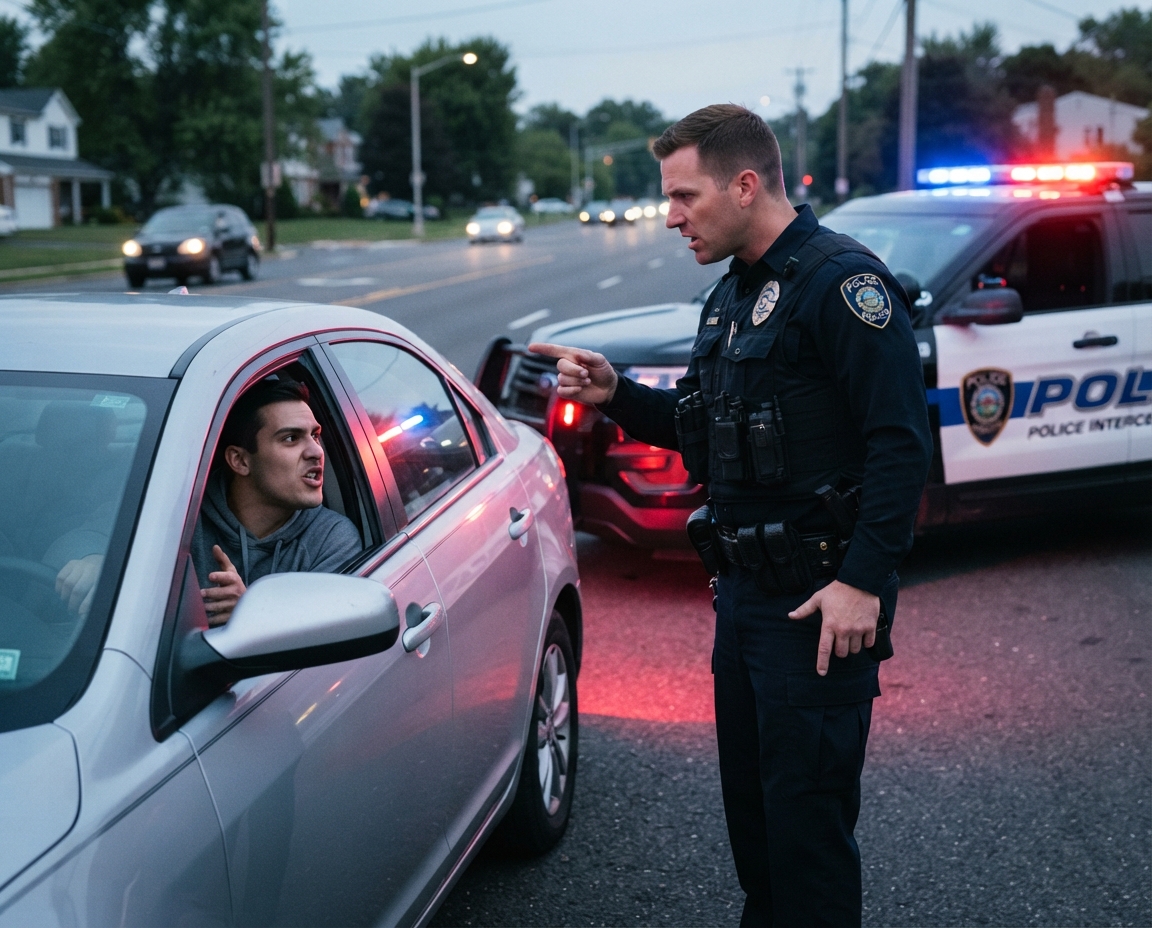
In California, the law is clear when it comes to how individuals should behave when interacting with law enforcement officers. One critical statute that addresses noncompliance with police orders is California Vehicle Code § 2800. This law prohibits individuals from failing to obey a peace officer’s lawful commands, and it is crucial for drivers and the public to understand its implications.
In this blog post, we will break down VC § 2800, explaining what it entails, the potential penalties for violation, its role in the broader legal framework, and how it can affect individuals who fail to comply with law enforcement instructions.
What is California Vehicle Code § 2800?
California Vehicle Code § 2800 specifically deals with the act of disobeying or failing to comply with a peace officer’s lawful orders, particularly during a traffic stop or other law enforcement actions. The law, under VC 2800 states: It is unlawful for any person to willfully fail or refuse to comply with any lawful order, signal, or direction of a peace officer in the performance of his or her duties.
In simpler terms, VC 2800 criminalizes the act of willfully refusing to follow the lawful commands or directions of a police officer during their enforcement of traffic laws or criminal investigations.
This provision is important because it maintains public safety and ensures that law enforcement officers can carry out their duties effectively. The law applies to all citizens, whether they are involved in a traffic stop, roadside inspection, or another situation where an officer is exercising their legal authority.
Key Elements of California Vehicle Code § 2800
To be charged under VC 2800, the prosecution must prove certain key elements beyond a reasonable doubt. These elements include:
-
Failure to Obey a Peace Officer: The individual must have willfully refused to comply with a peace officer’s command. This could involve not pulling over when directed, ignoring instructions during a traffic stop, or failing to respond to lawful orders from an officer in a criminal investigation.
-
The Peace Officer Was Performing Their Duties: The officer must be engaged in their lawful duties when giving the command. If the officer is not acting within their official capacity or is outside the scope of their duties, the statute would not apply.
-
The Command Was Lawful: The peace officer’s direction or signal must be lawful. This means that the officer’s order cannot be arbitrary or unlawful. For example, if an officer were to give a command that violates a person’s rights, such as demanding something unrelated to the traffic stop, it would not be covered by VC 2800.
-
Willful Disobedience: The person must have intentionally and knowingly failed to obey the order. This implies that the violation was not due to confusion, misunderstanding, or forgetfulness, but rather due to a conscious decision to not comply.
Penalties for Violating California Vehicle Code § 2800
Failure to obey a peace officer’s lawful orders under VC 2800 is classified as a misdemeanor offense in California. However, the penalties can vary depending on the specific circumstances of the violation, including whether the failure to obey the officer posed any significant danger to public safety.
1. Standard Penalties
If an individual is convicted of violating VC 2800, the penalties can include:
-
Up to 1 year in county jail.
-
A fine of up to $1,000.
-
Probation: In some cases, a judge may allow probation in lieu of jail time, but this will come with conditions such as community service or attending a driving safety course.
A conviction could lead to significant disruption in the individual’s life, including a criminal record, which may impact employment opportunities, professional licenses, and more.
2. Enhanced Penalties for Aggravated Situations
If the violation of VC 2800 occurs in combination with other criminal offenses (such as Vehicle Code § 2800.1 – evading an officer), the penalties can be more severe. For example, if the failure to comply leads to a high-speed chase or endangers public safety, the individual may face additional charges, including:
-
Up to 3 years in state prison for felony charges.
-
Higher fines for serious offenses.
-
Extended probation or parole.
What Happens If You Violate VC 2800?
A violation of VC 2800 can lead to significant consequences, both immediately and in the long term. Here’s what may happen if you fail to obey a peace officer’s lawful orders:
1. Criminal Record
Being convicted under VC 2800 will result in a criminal record. A criminal record can have long-lasting effects on your life, including difficulties securing employment, housing, or educational opportunities. It can also negatively impact your reputation and personal relationships.
2. Increased Scrutiny in Future Encounters
A conviction for failing to obey a peace officer may increase law enforcement’s scrutiny during future interactions. You may be more likely to face additional questioning, searches, or even more severe legal action in the future.
3. Vehicle and License Consequences
If you are driving, your driver’s license may be suspended or revoked. In addition, your vehicle may be impounded. This can cause disruptions in your ability to drive and carry out daily tasks.
4. Possible Civil Liability
In rare cases, the refusal to obey an officer’s orders could lead to a civil lawsuit. If the violation results in injury or property damage (such as in the case of a police chase), the individual may be subject to financial compensation demands from the victims.
Defenses Against a VC 2800 Charge
While VC 2800 is a strict liability offense, there are several defenses that may be used to fight the charge. Some of the most common defenses include:
1. Lack of Willful Disobedience
If you can demonstrate that you did not willfully disobey the officer, such as by proving that you misunderstood the officer’s commands or were confused about the situation, this could be a valid defense.
2. Officer’s Order Was Unlawful
If the peace officer’s order was not lawful—for example, if the officer was acting outside the scope of their duties or violated your rights—you may be able to argue that the command did not need to be obeyed.
3. Mistaken Identity or Confusion
In some cases, individuals may be mistakenly identified or confused about the situation. If you can demonstrate that you were not the person the officer was addressing, or that the situation was unclear, this could help build your defense.
4. Emergency Circumstances
If there was an emergency situation that required immediate action, such as a medical emergency or fear for personal safety, you may be able to argue that your failure to obey was necessary under the circumstances.
Conclusion
California Vehicle Code § 2800 is a critical statute designed to promote public safety and ensure law enforcement effectiveness.
The law requires individuals to obey lawful orders from peace officers, particularly during traffic stops and other law enforcement encounters.
Disobeying a peace officer can lead to criminal charges, significant penalties, and lasting consequences for your personal and professional life.
Contact Southwest Legal
Understanding your rights and responsibilities under VC 2800 is essential. If you are accused of violating this law, consulting an experienced criminal defense attorney can help you navigate the legal process, protect your rights, and pursue the best possible outcome.
If you are facing charges for disobeying a peace officer in California, Southwest Legal is here to help. Contact us today for a free consultation to discuss your case and learn how our legal team can assist with your defense.
Disclaimer: This article is for general informational purposes only and does not constitute legal advice or create an attorney-client relationship unless and until the firm and client enter into an agreement for legal services. Laws may change, and legal outcomes depend on the specific facts of each case. Consult a qualified attorney for advice regarding your situation.