


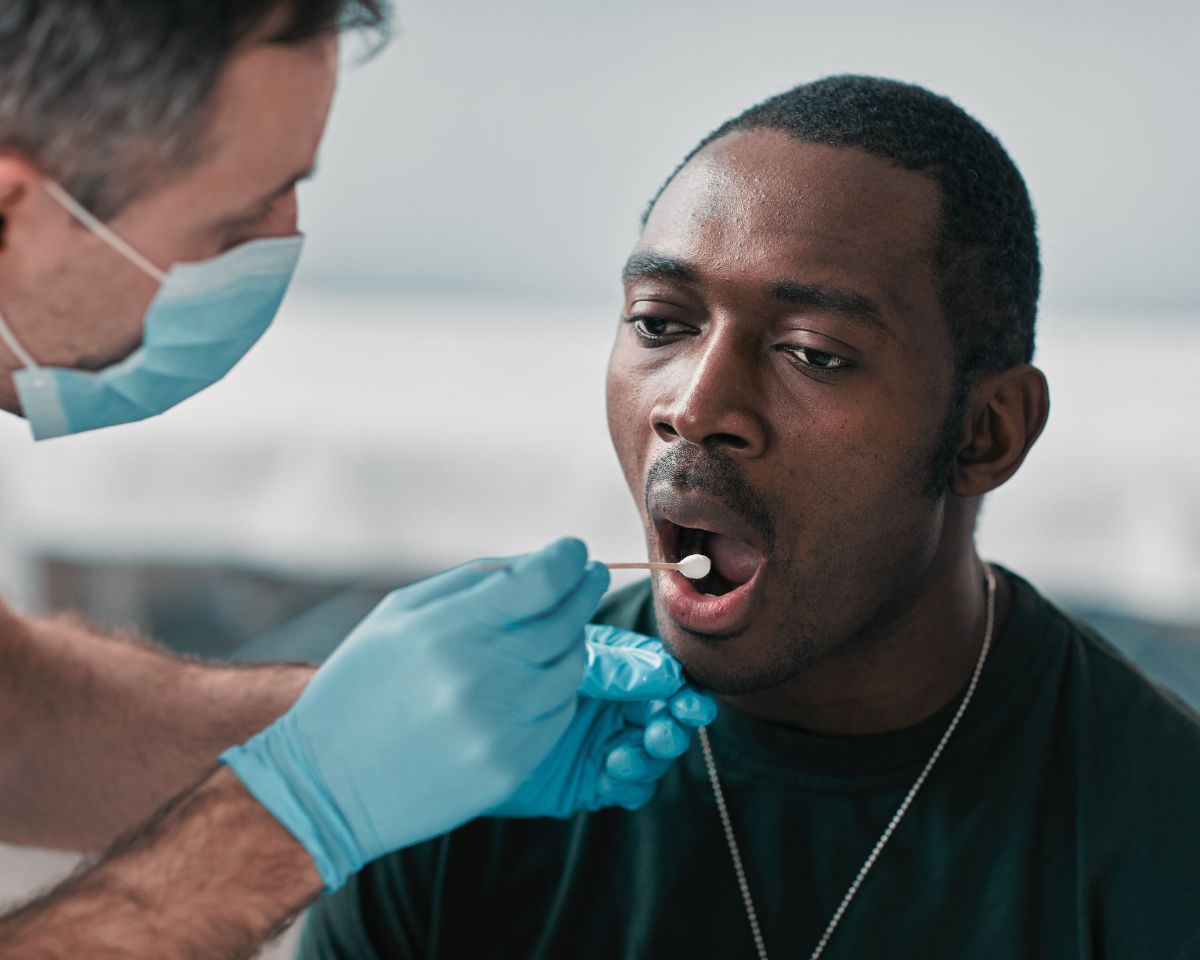
Driving Under the Influence (DUI) laws in California are among the strictest in the country, designed to prevent impaired driving and protect public safety. When it comes to DUI investigations, law enforcement has several methods of testing to determine whether a driver is under the influence of alcohol or drugs. While breath and blood tests have long been the standard, mouth swab tests are emerging as an increasingly popular tool in California DUI cases.
If you’ve recently been pulled over and subjected to a mouth swab test, or if you have questions about how these tests work, it’s crucial to understand how they fit into California’s DUI law. This article will dive into the importance of mouth swab tests in DUI cases, their legal implications, how they are administered, and how they compare to other testing methods like breath or blood tests.
What Is a Mouth Swab Test?
A mouth swab test, also known as an oral fluid test, is a type of chemical test that involves collecting a sample of a person’s saliva to detect the presence of alcohol or drugs. This test is performed by swabbing the inside of the person’s cheek or mouth to obtain a saliva sample. The sample is then analyzed to determine whether certain substances are present.
Compared to blood or urine tests, mouth swab tests are much quicker and easier to administer, making them an attractive tool for law enforcement. The test results are generally available within minutes, which allows officers to make a faster decision about whether a driver is impaired.
Why Are Mouth Swab Tests Used in DUI Cases?
California law mandates that drivers suspected of being under the influence of alcohol or drugs submit to a chemical test upon arrest. Traditional testing methods, such as breath tests or blood tests, have long been used for this purpose. However, mouth swab tests offer several distinct advantages:
-
Convenience: Mouth swabs are less invasive and faster to administer than blood tests. They don’t require needles, making the process more comfortable for the driver.
-
Detection of Recent Drug or Alcohol Use: Mouth swab tests are effective at detecting recent consumption of substances, including both alcohol and drugs. This can be particularly helpful in cases involving impairment due to substances like marijuana, prescription drugs, or other illicit drugs.
-
Non-Invasive: Unlike blood tests, which can be uncomfortable and require medical personnel to draw blood, mouth swabs simply require a quick swipe inside the cheek, making them a less intrusive method for DUI testing.
-
Drug and Alcohol Detection: Mouth swabs can detect a wider range of substances, such as marijuana, cocaine, opioids, and even prescription drugs, in addition to alcohol. This can be critical when dealing with drug-related DUI cases.
Legal Implications of Mouth Swab Testing in California
In California, a person arrested on suspicion of DUI is required to submit to a chemical test, as per California’s implied consent law. This law applies to breath, blood, or urine tests, but mouth swab tests are also becoming part of the lineup as a valid method for DUI detection.
Despite their growing use, the legal framework surrounding mouth swab tests is still relatively new. The question that often arises is whether mouth swab tests meet the legal standards required to obtain a conviction in a DUI case. Below are some of the key legal factors to consider:
1. Probable Cause and Arrest
Before law enforcement can administer a mouth swab test, they must have probable cause to believe that the driver is impaired. Probable cause typically involves observable signs of impairment, such as erratic driving, slurred speech, or physical symptoms like bloodshot eyes. If the officer has sufficient cause to believe the driver is under the influence, they may request a chemical test.
2. Refusal to Submit to a Mouth Swab Test
In California, drivers have the right to refuse a mouth swab test, just as they can refuse other forms of chemical tests. However, refusal comes with significant consequences, including:
-
License Suspension: A refusal to take a chemical test can lead to an automatic suspension of the driver’s license.
-
Increased Penalties: Refusal to submit to a chemical test may result in higher fines, longer license suspensions, or more severe penalties if the driver is convicted of DUI.
While you may refuse a mouth swab test, doing so often results in harsher legal consequences, even if the driver is ultimately found not guilty of DUI.
3. Accuracy and Reliability of Mouth Swab Tests
The accuracy of mouth swab tests is an important issue in DUI defense cases. Critics argue that saliva tests may not be as reliable as blood or breath tests, especially when it comes to measuring the precise amount of impairment caused by alcohol or drugs. Some factors that can influence the accuracy of a mouth swab test include:
-
Contamination: If the driver has recently eaten, smoked, or consumed something that might affect the sample, the test results may be inaccurate. For example, food particles or alcohol from the driver’s mouth could alter the result.
-
Detection Window: Mouth swabs are generally good at detecting recent drug or alcohol use, but the detection window can vary. Alcohol, for example, can be detected in saliva for up to 12 hours, while marijuana may be detectable for several days after consumption.
-
Substance-Specific Issues: Certain substances may not be detectable in saliva in the same way they appear in blood or urine. For example, the levels of marijuana detected in saliva may not correspond to the level of impairment, making it difficult for prosecutors to use saliva samples as definitive evidence of impairment.
Legal Defenses to Mouth Swab Test Results
If a driver is subjected to a mouth swab test during a DUI arrest, there are several potential defenses that a DUI attorney might raise to challenge the results:
-
Improper Administration of the Test: If the test was not performed correctly, the defense may argue that the results are unreliable. This could include issues like improper handling of the sample or failure to follow proper testing protocols.
-
Contamination: If there was any contamination of the saliva sample due to food or drink in the mouth at the time of the test, the defense might claim that the test results were invalid.
-
False Positive/Negative Results: In some cases, the saliva sample might return false positive results due to cross-contamination or testing errors. A skilled defense attorney can investigate these issues and present them to the court.
-
Lack of Clear Evidence of Impairment: Even if the mouth swab test detects the presence of drugs or alcohol, it may not prove that the driver was impaired at the time of driving. A good defense attorney can argue that the driver was not impaired, even if substances were present in their saliva.
What Happens After a Mouth Swab Test?
After a mouth swab test is conducted, law enforcement officers will typically send the saliva sample to a laboratory for analysis. If the test detects alcohol or drugs in the driver’s system, the driver may be arrested and charged with DUI.
However, the results of a mouth swab test alone are not always conclusive. Officers may use additional tests (such as blood or breath tests) to confirm the presence of drugs or alcohol. Furthermore, the evidence from the mouth swab test may be challenged in court by the defendant’s attorney.
Can I Refuse a Mouth Swab Test in California?
While you have the right to refuse a mouth swab test, refusing any chemical test (breath, blood, or mouth swab) after a DUI arrest can lead to significant penalties. In California, refusing a test can result in:
-
Automatic License Suspension: The Department of Motor Vehicles (DMV) can suspend your driver’s license for up to one year for a first refusal.
-
Increased Fines and Penalties: Refusal to submit to a chemical test may lead to higher fines, mandatory DUI education programs, and a longer license suspension if convicted of DUI.
Conclusion: Protect Your Rights in California DUI Cases Involving Mouth Swab Tests
Mouth swab tests are becoming an increasingly common tool used in DUI cases throughout California. They offer law enforcement a convenient, non-invasive method to detect alcohol and drugs in a driver’s system. However, the legal implications surrounding their use are still developing, and there are important concerns about the accuracy and reliability of these tests.
If you have been arrested for DUI in Southern California and subjected to a mouth swab test, it’s critical to consult with an experienced DUI defense attorney. An attorney can help you understand your rights, evaluate the validity of the test results, and determine the best course of action for your defense.
At Southwest Legal, our team of skilled attorneys is dedicated to providing aggressive and personalized defense strategies to protect your rights. If you or someone you know is facing DUI charges in California, contact us today for a consultation. We are here to help you navigate the complexities of DUI law and work toward a favorable outcome.
Call to Action:
If you’ve been arrested for DUI in Southern California and need expert legal assistance, don’t wait. Contact us today to schedule a consultation with one of our experienced DUI attorneys. Let us help you protect your rights and fight for the best possible outcome in your case.