


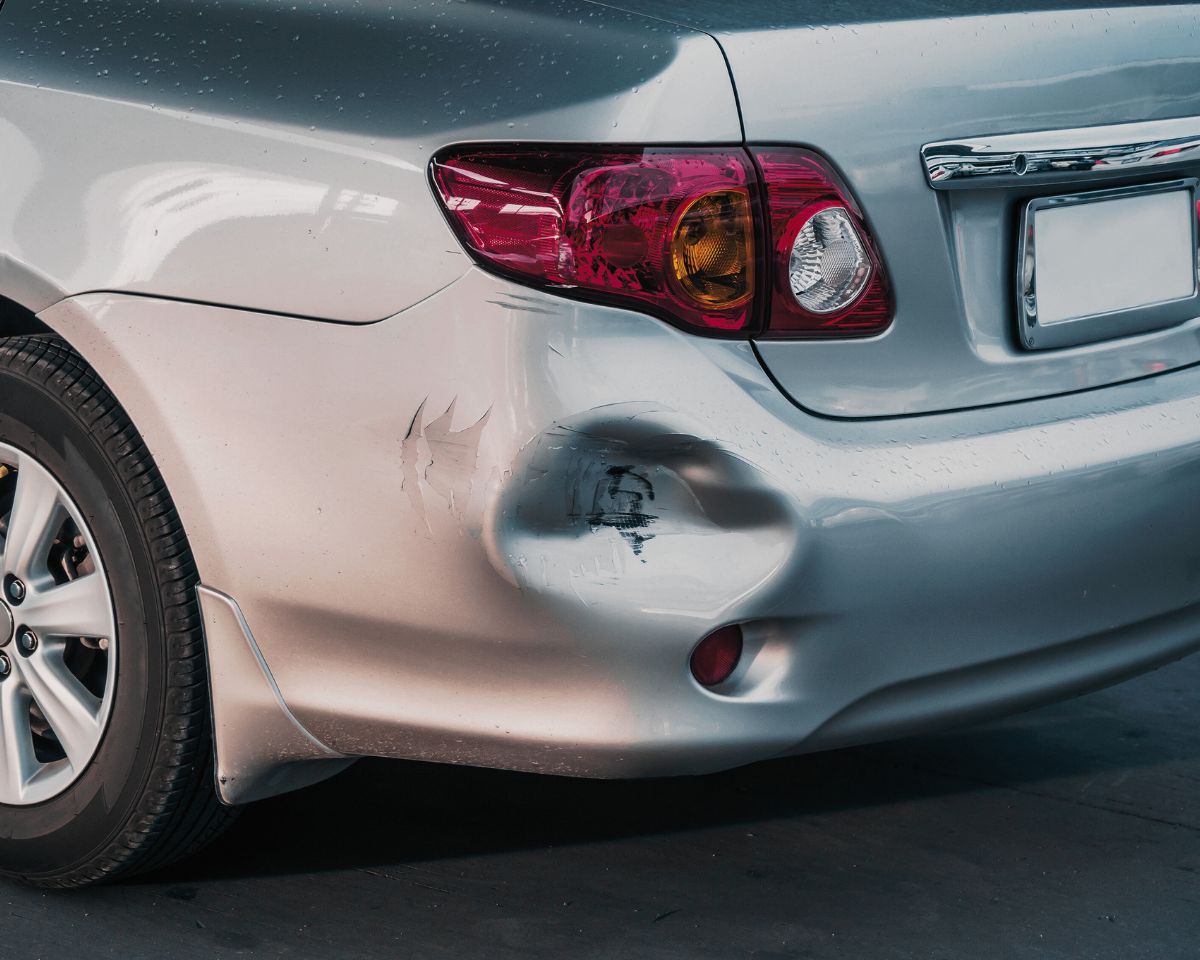
A hit and run is a serious offense in California, and the penalties can be severe depending on the circumstances. If you’ve been involved in a hit-and-run accident, or if you are simply curious about how the law works, understanding the timeline for when you can be charged is crucial. In this article, we’ll explore California’s hit-and-run laws, the statute of limitations, and how long authorities have to bring charges.
Whether you’re the victim or the driver, this guide will help you understand the time limits involved in hit and run accidents and what you should do if you find yourself in this situation.
What Is a Hit and Run in California?
In California, a hit and run occurs when a driver involved in an accident leaves the scene without fulfilling their legal obligations. These obligations include providing identification, insurance details, and offering aid if necessary.
There are two primary categories of hit-and-run accidents:
-
Property Damage: This occurs when an accident only causes damage to property—such as vehicles, fences, or other structures. Even if no one is injured, leaving the scene of such an accident is still considered a crime under California law.
-
Injury or Death: This is a much more serious form of hit and run, where the accident results in injury or even death. The penalties for leaving the scene of an injury or fatal accident are significantly more severe.
Regardless of the type of accident, California law requires that the driver involved stop, provide information, and cooperate with authorities. Failing to do so can lead to serious legal consequences.
How Long After a Hit and Run Can You Be Charged in California?
The time within which the state can file charges against someone involved in a hit and run is governed by the statute of limitations. The statute of limitations is the legal time period during which the state can bring criminal charges against someone for a particular offense.
Statute of Limitations for Hit and Run in California
-
For Property Damage Only: If the accident only resulted in property damage, the statute of limitations for filing criminal charges is 1 year from the date of the accident. This means that law enforcement has up to one year to charge someone for leaving the scene of the accident.
-
For Injury or Death: If the accident resulted in injuries or fatalities, the statute of limitations is extended to 3 years. This gives the state a longer period to investigate the accident and bring charges against the driver responsible.
While the statute of limitations provides a clear timeline, there are exceptions and circumstances that could either shorten or lengthen this period.
What Happens if You’re Charged with a Hit and Run in California?
Being charged with a hit and run in California is a serious matter. Depending on the severity of the accident and whether it involved property damage or injuries, the penalties can vary significantly.
Misdemeanor Hit and Run (Property Damage Only)
If the hit and run only involved property damage, it is typically classified as a misdemeanor. The penalties for a misdemeanor hit and run in California may include:
-
Fines: Up to $1,000
-
Jail Time: Up to 6 months in county jail
-
Probation: Possible probation and community service
-
Restitution: Paying for the damages caused in the accident
While a misdemeanor may not carry the same severe consequences as a felony, it can still result in a criminal record, fines, and possible jail time.
Felony Hit and Run (Injury or Death)
If the hit and run caused injury or death, it is classified as a felony. Felony charges for hit and run in California can result in:
-
Fines: Up to $10,000
-
Prison Time: 2 to 4 years in state prison, depending on the circumstances
-
Restitution: Compensation for the victims’ medical bills, property damage, and other related expenses
-
Criminal Record: A felony conviction will result in a permanent criminal record, which can have long-lasting effects on your personal and professional life
Felony hit and run charges also carry additional consequences, such as license suspension or revocation and higher insurance rates.
What Can Affect the Statute of Limitations?
While the statute of limitations provides a general guideline for how long the state has to file charges, there are factors that could potentially extend or delay this time frame.
Tolling the Statute of Limitations
In some situations, the statute of limitations may be tolled (paused). This can occur in cases where the accused is out of state or actively evading law enforcement. For example, if the responsible driver flees the state or intentionally hides from the police, the clock for the statute of limitations may be paused until the driver is found.
In cases where the victim is severely injured or unconscious and unable to report the accident, the statute of limitations may also be tolled until the victim is capable of providing a statement or filing a report.
Discovery of New Evidence
In some cases, evidence like surveillance footage, DNA, or pieces of the vehicle may be discovered long after the accident occurred. If such evidence leads to identifying the responsible driver, the statute of limitations may be extended, allowing the authorities to press charges even if the original time frame has passed.
What Should You Do If You’re Involved in a Hit and Run Accident?
If you find yourself involved in a hit-and-run accident, either as the driver or the victim, it’s essential to follow the correct steps to protect yourself legally and ensure the best possible outcome.
1. Remain at the Scene and Call the Authorities
If you are involved in an accident, stay at the scene and immediately contact law enforcement. Leaving the scene of an accident can result in criminal charges. Make sure to report the accident and give a clear description of what happened.
2. Gather Evidence
Collect as much evidence as possible from the scene. This includes taking photos of any damage, injuries, and the surroundings. Try to gather witness statements and record the make, model, and license plate number of the other vehicle if you can. The more evidence you have, the better your chances of either identifying the responsible party or defending yourself if you are wrongly accused.
3. Notify Your Insurance Company
Even if the other driver has fled, you should still report the accident to your insurance company. Your insurer may cover the damages through your uninsured motorist policy, or assist with the investigation.
4. Consult a Criminal Defense Attorney
If you’ve been accused of a hit and run or have any concerns about your involvement in an accident, it’s important to speak to a criminal defense lawyer. A lawyer can help you understand your legal rights, assist with the investigation, and ensure that you’re treated fairly under the law.
Conclusion
California’s hit-and-run laws are strict, and leaving the scene of an accident can result in serious consequences. Depending on whether the accident only involved property damage or caused injuries or death, the penalties can range from fines and jail time to significant prison sentences. The statute of limitations for hit-and-run charges in California is typically 1 year for property damage and 3 years for injury or death, but there are circumstances that may toll or extend this time period.
If you find yourself involved in a hit-and-run situation, it’s essential to act quickly and responsibly. Whether you are the victim or the driver, consulting with a criminal defense attorney can help you navigate the complexities of the legal process and protect your rights.
Contact Southwest Legal for Assistance
If you or someone you know has been involved in a hit-and-run accident or is facing charges, contact Southwest Legal today for expert legal representation. Our experienced criminal defense attorneys are here to provide the guidance and support you need during this challenging time. Don’t wait—call us now for a consultation, and let us help you understand your legal options.