If you were recently pulled over for driving over 70 mph on a California freeway—even just a few miles per hour over—you might be surprised to learn it’s not just a warning or a minor infraction. Under California Vehicle Code § 22356 VC, this can be a serious traffic violation that leads to hefty fines, DMV points, and insurance rate hikes. And unfortunately, many drivers don’t realize how strict this law actually is until it’s too late.
If you were cited for driving over 70 mph in a posted zone, read this carefully. We’ll break down what VC 22356 means, what the penalties are, what defenses may apply, and how you can protect your license, your record, and your wallet.
What Is CVC § 22356?
Let’s clear up a common misconception right away: not all California freeways are the same when it comes to speed limits.
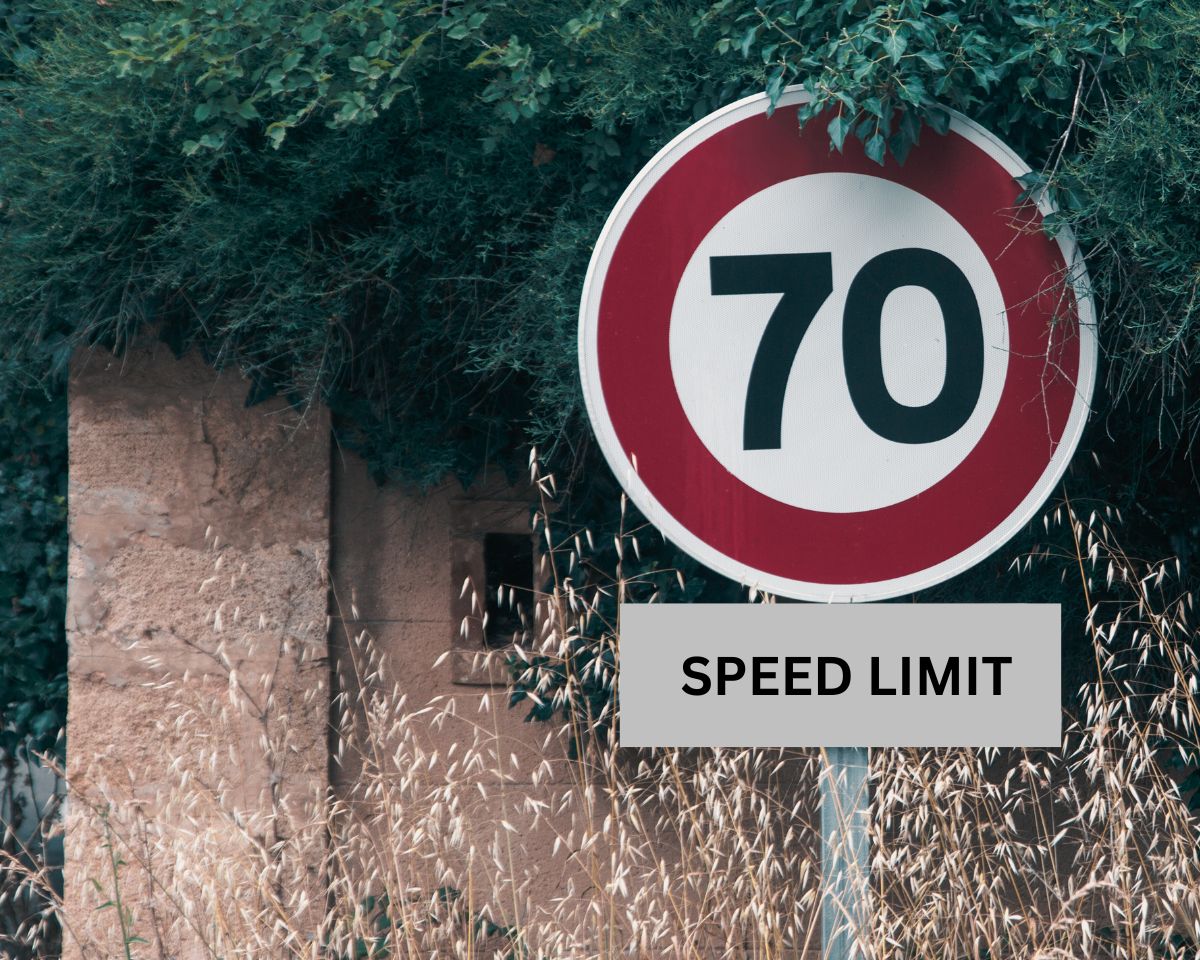
While the general maximum speed on California highways is 65 mph, certain freeway segments allow for a 70 mph limit, thanks to California Vehicle Code Section 22356. But here’s the catch—once that 70 mph sign goes up, it becomes the absolute maximum speed. No exceptions. No excuses.
That means if you’re clocked at 71, 75, or 80 mph in one of these zones, you’re technically in violation of the law—even if you were keeping up with traffic or driving safely.
Why This Matters More Than You Think
Most people see a 1–5 mph overage and think, “This isn’t a big deal.” But that mindset can cost you.
Violating VC 22356 isn’t just about a small fine. It can lead to:
 Expensive total penalties after fees and court costs A point on your DMV record, which stays for years Higher auto insurance rates Ineligibility for traffic school if you were too far over the limit Risk of license suspension if you already have other violations
In short, what seems like a minor ticket can snowball into hundreds or even thousands of dollars in long-term costs.
So, What Exactly Are the Penalties?
Here’s a general idea of what you’re looking at with a VC 22356 ticket:
1–15 mph over the limit: base fine starts around $35 (but expect to pay ~$200+ with fees)
16–25 mph over: base fine is higher, around $70 (again, fees push it much higher)
26+ mph over: now you’re in more serious territory, and courts are less likely to grant traffic school
Over 100 mph? That’s a separate, more severe offense with possible license suspension and fines up to $500
And don’t forget: one point gets added to your driving record, which can lead to:
Higher insurance premiums
Difficulty in future traffic court cases
Risk of suspension if you rack up additional points
Can I Just Do Traffic School?
Maybe. But not always.
Traffic school can keep the point off your public driving record, but you must qualify. If your speed was more than 25 mph over the limit—or if you’ve already done traffic school recently—you may be ineligible.
Each court has its own rules, and some are stricter than others. That’s why it’s smart to speak with an attorney before you assume traffic school is your way out.
Can I Fight a VC 22356 Ticket?
Absolutely—and in many cases, you should.
Even though this law sets an “absolute” speed limit, that doesn’t mean the ticket is unbeatable. Here are just a few defense strategies that may apply:
The Speed Limit Was Not Properly Posted
If the 70 mph sign wasn’t visible, missing, or improperly placed, you may not be legally on the hook.
Radar or Lidar Errors
If the officer used speed-measuring equipment (like radar or lidar), we can demand calibration records, check for maintenance issues, and challenge how it was operated. Improper use = unreliable results.
Officer Error
If the citation is based on a pacing estimate or the officer’s visual observation, that opens the door for cross-examination and doubt.
Emergency Situations
Were you accelerating to avoid an accident or due to a medical emergency? In limited cases, necessity can be a valid defense.
Engineering Surveys
Believe it or not, some 70 mph zones aren’t properly authorized. If the required traffic survey was outdated or not completed, the posted speed might be invalid—giving you a strong legal defense.
An experienced traffic attorney can uncover these issues and use them to your advantage.
What Should I Do If I Got a VC 22356 Ticket?
Here’s a step-by-step game plan to protect your record:
Don’t ignore the ticket. Respond by the deadline, or you risk even more serious consequences.
Review the citation. Note your speed, the location, and what method was used to clock you.
Request a court date or Trial by Written Declaration. You have the right to contest it.
Speak with a traffic defense attorney. Don’t just pay the fine—get advice first.
Let your attorney request discovery. This includes calibration logs, officer notes, and more.
Fight the case or negotiate a reduction. Depending on the court and facts, we may be able to dismiss or downgrade the charge.
Remember: once you pay that ticket, you’re essentially pleading guilty. You owe it to yourself to explore your legal options first.
When Should You Call an Attorney?
If any of these sound like your situation, it’s time to get help:
You were going significantly over 70 mph
You already have other points on your record
You were denied traffic school or are unsure if you qualify
You want to avoid insurance hikes
You’re a commercial driver and can’t afford another hit to your record
You want to fight the case, but don’t know where to start
At Southwest Legal, we’ve helped drivers just like you fight back. Whether it’s getting a case dismissed, negotiating a lesser charge, or keeping your record clean, we’ll guide you through every step.
Don’t Let a Speeding Ticket Wreck Your Record
Getting a ticket for going over 70 mph might seem minor—but the financial and legal consequences can stick with you for years. You don’t have to take it lying down.
If you’ve been cited under California Vehicle Code § 22356, let us take the stress off your plate. We’ll review your case, explain your options, and build a strong defense to help protect your license, your wallet, and your future. Call us today for a free consultation. The sooner we get started, the better your outcome can be.