


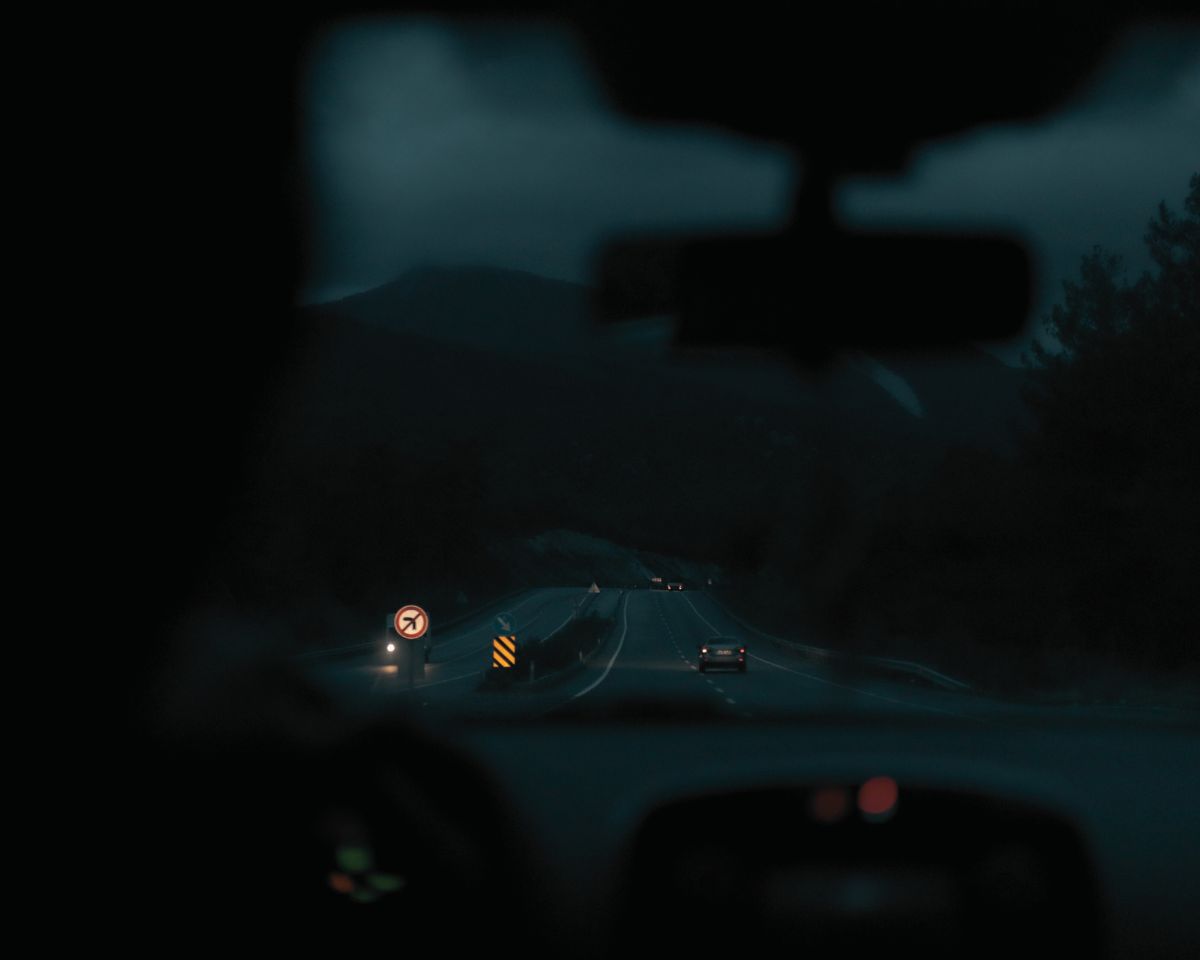
etting pulled over for driving without headlights can feel frustrating — especially if you thought there was still enough light outside. But under California Vehicle Code 24250, the legal standard isn’t based on what feels dark. It’s based on clearly defined rules about darkness and visibility.
If you’ve received a ticket — or want to avoid one — this comprehensive guide explains everything you need to know.
What Does California Vehicle Code 24250 Actually Require?
California Vehicle Code 24250 states that during “darkness,” a vehicle must be equipped with and use proper lighting equipment.
In simple terms:
-
If it is legally considered dark, your headlights must be on.
-
If visibility is significantly reduced, your headlights must be on.
-
If specific weather conditions apply, your headlights must be on.
This law applies to most motor vehicles operating on California roadways, including passenger cars, SUVs, trucks, motorcycles, and commercial vehicles.
The goal of the law is safety — ensuring drivers can both see clearly and be seen by others.
When Are Headlights Required in California?
Many drivers believe headlights are only required at night. California law goes further than that.
1. The Sunset Rule
Headlights are required:
-
Starting 30 minutes after sunset
-
Until 30 minutes before sunrise
Even if the sky still looks somewhat bright, once the 30-minute mark passes, headlights are legally required.
Waiting until it “feels” dark is one of the most common reasons drivers receive citations.
2. When Visibility Is Reduced to 1,000 Feet or Less
Headlights must also be used any time you cannot clearly see:
-
A person, or
-
Another vehicle
At a distance of 1,000 feet due to weather or atmospheric conditions.
Common situations include:
-
Heavy rain
-
Fog
-
Smoke
-
Dust
-
Snow
If visibility drops, headlights must be turned on — even during daylight hours.
3. When Windshield Wipers Are in Continuous Use
A rule that surprises many drivers:
If your windshield wipers are operating continuously because of rain, mist, or snow, your headlights must also be on.
It does not matter if it is daytime. If the wipers are running steadily, headlights are required.
4. Driving Through Tunnels or Dark Areas
Headlights are required when driving through:
-
Tunnels
-
Underpasses
-
Parking structures
-
Areas with limited natural light
Even brief travel through darkened environments requires proper lighting.
Do Daytime Running Lights (DRLs) Count?
Not necessarily.
Many modern vehicles have daytime running lights that automatically activate when the vehicle starts. However:
-
DRLs often illuminate only the front lights.
-
Rear tail lights may not activate.
-
DRLs may not meet full headlight requirements during darkness.
To comply with VC 24250, your full headlight system — including rear lighting — must be engaged when required.
When in doubt, manually switch your headlights on.
Why This Law Matters
Headlight laws are about more than avoiding a ticket. They exist because reduced visibility is a leading factor in vehicle collisions.
Headlights:
-
Improve your ability to see road hazards
-
Make your vehicle visible to other drivers
-
Increase pedestrian and cyclist safety
-
Reduce dusk and nighttime collision risk
Many accidents happen during twilight hours when drivers mistakenly assume headlights are unnecessary.
Penalties for Violating VC 24250
Driving without headlights when required is an infraction, not a criminal offense. However, the consequences can still affect your driving record and finances.
Financial Penalties
A typical violation includes:
-
A base fine
-
Additional court assessments and fees
-
A total amount often reaching a few hundred dollars, depending on the county
DMV Points
A conviction generally results in:
-
1 point added to your California DMV driving record
Points can:
-
Raise insurance premiums
-
Affect “good driver” discounts
-
Accumulate toward license suspension if multiple violations occur
Insurance Consequences
Insurance providers frequently view moving violations as indicators of increased risk. Even a single point may result in higher premiums.
What Happens If You Ignore the Ticket?
Ignoring a traffic citation can lead to more serious consequences than the original violation.
Failing to respond by the deadline may result in:
-
Additional fines
-
A hold or suspension of your license
-
Possible misdemeanor charges for failure to appear
Even if you believe the citation was unfair, it must be handled properly.
Can You Fight a Driving Without Headlights Ticket?
Yes. A VC 24250 citation can sometimes be challenged depending on the facts.
Possible defenses may include:
-
It was not legally “dark” at the time of the stop
-
Visibility exceeded 1,000 feet
-
Weather conditions did not justify required headlight use
-
Headlights malfunctioned unexpectedly without your knowledge
-
The officer made a factual or procedural error
Each case is unique. Reviewing the details carefully can make a difference.
Traffic School: Is It an Option?
Many drivers qualify for traffic school after a headlight violation.
Potential benefits include:
-
Preventing the DMV point from appearing on your public record
-
Reducing insurance impact
Eligibility often depends on:
-
A valid driver’s license
-
Non-commercial vehicle operation
-
No recent traffic school attendance within 18 months
-
Court approval
Traffic school is not automatic — you must request it.
Related California Headlight Laws
Vehicle Code § 24250 works alongside other lighting requirements. Drivers must also comply with laws regarding:
-
Proper headlight equipment
-
High beam dimming requirements
-
Functional tail lights and brake lights
-
Correct headlight alignment
A violation of one lighting rule may sometimes lead to additional citations.
Tips to Avoid a Headlight Ticket
To reduce your risk of citation:
-
Turn headlights on earlier than you think necessary
-
Use headlights anytime your wipers are running
-
Regularly inspect all exterior lights
-
Avoid relying solely on automatic headlight settings
-
Be especially cautious during dusk and bad weather
A simple habit of switching on your headlights can prevent unnecessary fines and points.
Frequently Asked Questions
Is driving without headlights a crime?
No. It is typically treated as an infraction.
How many points is a headlight violation?
Usually one DMV point.
Will my insurance increase?
It may, depending on your driving record and insurer.
Can I dismiss the ticket by fixing the issue?
Only certain equipment violations qualify as correctable offenses. A standard failure-to-use-headlights violation often does not.
Conclusion
California Vehicle Code 24250 requires drivers to use proper lighting during darkness and low visibility conditions. Many citations occur during dusk or rainy weather when drivers underestimate the legal requirements.
A violation can result in fines, DMV points, insurance increases, and potential license complications if ignored. Understanding when headlights are legally required helps you avoid unnecessary penalties and drive more safely.
Contact Southwest Legal Today
If you have been cited for driving without headlights under California Vehicle Code 24250, it is important to understand your options before simply paying the fine. A traffic conviction can affect your driving record and insurance rates, and in some cases, it may be possible to challenge the citation or pursue alternatives such as traffic school. The attorneys at Southwest Legal are experienced in handling California traffic violations and can review the details of your case to determine the best strategy for protecting your license and record. Contact us today to schedule a free consultation and take proactive steps toward resolving your ticket with confidence.