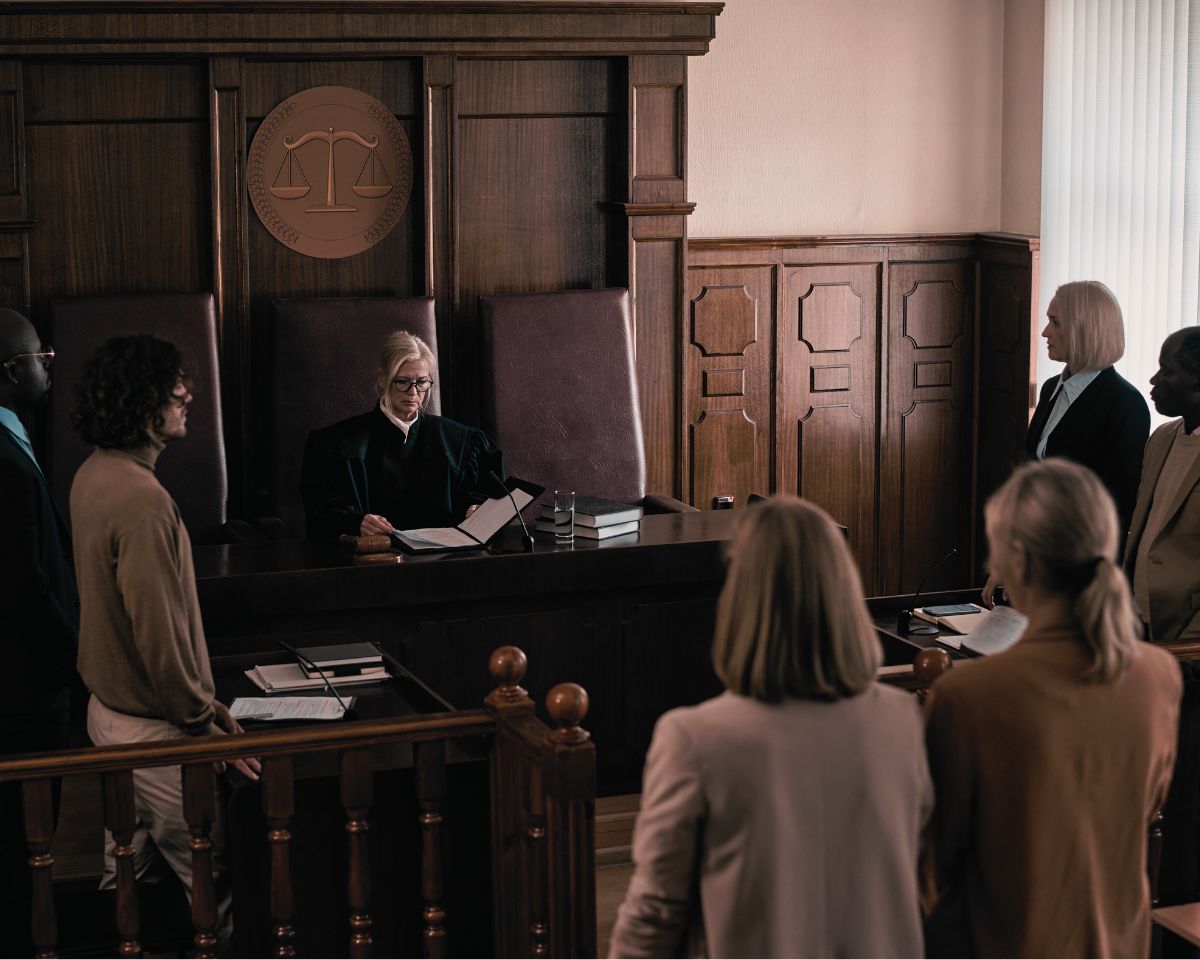
When you are involved in a court case in California, especially a criminal case, you might wonder: Can a judge prevent me from speaking with witnesses? The answer is yes—under certain circumstances. Whether the restriction is temporary, limited, or strictly enforced depends on the specifics of your case, the type of legal proceedings, and the court’s orders. Here’s everything you need to know about why such restrictions exist, your rights, and how to handle them.
Why a Judge Might Restrict Communication with Witnesses
Judges may limit or forbid contact with witnesses for several important reasons:
-
Protecting witnesses or victims from harassment, intimidation, or harm.
-
Preventing witness tampering to ensure testimony is honest and uncoached.
-
Maintaining fairness of the trial by avoiding collusion or influencing testimony.
-
Preserving the integrity of court proceedings, ensuring facts are presented truthfully.
Legal Basis for Communication Restrictions in California
California law allows judges to issue orders restricting contact with witnesses when there is a reasonable belief that communication could threaten the witness or interfere with the case. Key points to understand include:
-
Judges can limit communication to protect witnesses, especially in criminal cases.
-
Communication may be allowed only through attorneys or other regulated channels.
-
Attorneys themselves are bound by ethical rules to avoid improper influence on witnesses.
-
In some trials, witnesses may be sequestered, which prevents them from discussing the case until they have testified.
These measures help ensure that witnesses can provide accurate, unbiased testimony.
Understanding Your Rights
Even when communication is restricted, your rights are still protected:
-
Procedural safeguards are typically in place before a court issues serious restrictions.
-
Restrictions may be partial, allowing communication only through your attorney.
-
While the First Amendment protects free speech, courts can restrict communications to ensure a fair trial.
-
Violating court orders can result in criminal charges, civil penalties, or both.
Common Scenarios Where Communication Might Be Restricted
Judges often limit communication with witnesses in specific situations:
-
Cases involving threats, domestic violence, or violent crimes.
-
Protecting vulnerable witnesses, such as minors or victims of sensitive crimes.
-
During trial, witnesses may be sequestered to prevent them from hearing other testimony.
Risks of Contacting Witnesses Without Permission
Attempting to communicate with witnesses without authorization carries serious risks:
-
Criminal charges for witness tampering if the court believes you are trying to influence testimony.
-
Contempt of court for violating a no-contact order.
-
Damage to your legal case, even if your intentions are innocent.
-
Attorneys can face disciplinary action for improper communication with witnesses.
Best Practices for Handling Witness Communication
To protect yourself and your case:
-
Always consult your attorney first before contacting witnesses.
-
Document any allowed communications, including emails or letters sent through legal channels.
-
Use your attorney as an intermediary if direct communication is restricted.
-
If an order seems overly broad, your lawyer can request a modification.
-
Avoid discussing testimony or coaching witnesses in any way.
Key Takeaways
-
California judges can restrict or prohibit communication with witnesses to protect safety, prevent tampering, and preserve the trial’s integrity.
-
These restrictions are grounded in law and usually include procedural safeguards.
-
Violating a court order can result in serious legal consequences.
-
Working closely with an attorney ensures your rights are protected while navigating these restrictions safely.
Protect Yourself and Your Rights
If you are involved in a case and face restrictions on talking to witnesses, it’s crucial to know your rights and follow the rules. At Southwest Legal, our experienced criminal defense attorney can help you:
-
Understand court orders and legal restrictions
-
Communicate with witnesses safely and legally through proper channels
-
Protect your rights and your case at every stage
Contact us today to get expert guidance and support for handling witness communication and navigating California court procedures confidently.