


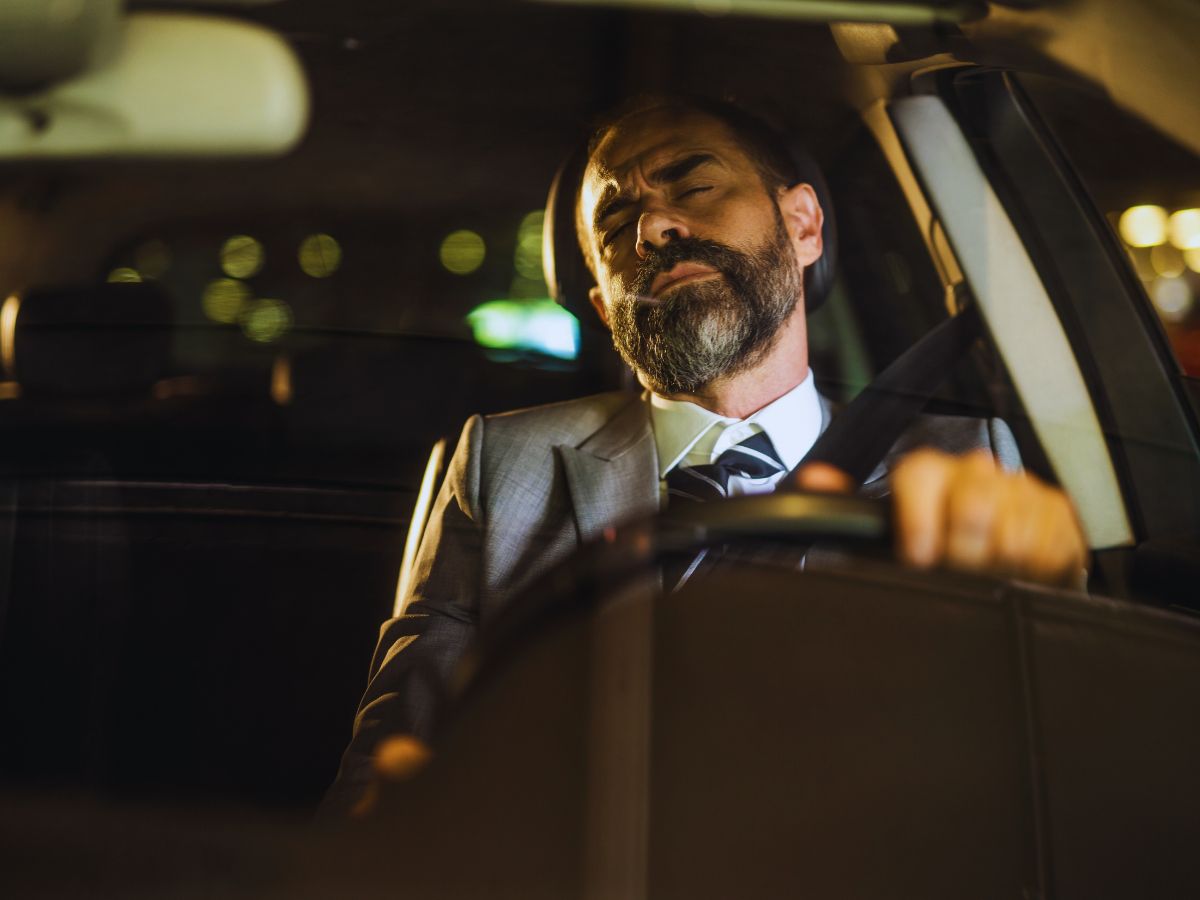
Most people assume you can only be charged with a DUI in California if you were actually caught driving. However, this is a common misconception. In reality, under California law, you can be arrested and prosecuted for driving under the influence even if your vehicle wasn’t in motion. The key legal issue is whether you were in “actual physical control” of the vehicle at the time — and that doesn’t always mean the car was moving. This article explores the situations where you can face DUI charges without driving, what the courts consider, possible penalties, and your legal options if you find yourself in this situation.
What Does California DUI Law Say?
Under California Vehicle Code § 23152, it is illegal to:
-
Operate a vehicle while under the influence of alcohol or drugs.
-
Drive with a Blood Alcohol Content (BAC) of 0.08% or higher.
Although the term “driving” might suggest that movement of the car is required, California courts have made it clear that actual movement is not necessary. What matters more is whether the person had the potential and opportunity to operate the vehicle while impaired.
What Is “Actual Physical Control”?
“Actual physical control” refers to a person’s ability to operate the vehicle, regardless of whether they were actively driving. California courts will examine whether you had access to the vehicle’s ignition, were seated in the driver’s seat, or appeared ready to operate the car.
Example Scenarios
-
Sitting in the driver’s seat with the keys in the ignition
-
Sleeping in a parked car with the engine running
-
Parked on the side of the road after allegedly driving under the influence
-
Holding the keys and sitting behind the wheel, even if the car is off
In each of these cases, prosecutors may argue that you had control over the vehicle and were therefore in violation of DUI laws.
How Police Determine Whether to Make an Arrest
When police arrive on the scene, they consider a variety of factors before making an arrest for DUI without observing actual driving:
-
Whether you were in the driver’s seat
-
Whether the engine was running or warm
-
If the keys were in the ignition or in your possession
-
Statements made at the scene that suggest you had been driving
-
The location of the vehicle (e.g., side of a freeway versus a driveway)
Even without directly seeing you drive, officers can arrest you based on circumstantial evidence that indicates recent or intended vehicle operation.
Can a Passenger Be Charged with a DUI?
In most cases, passengers are not charged with DUI. However, there are situations where a passenger may face DUI charges:
-
If a passenger takes control of the vehicle, such as steering from the passenger seat
-
If police cannot determine who was driving and suspect the passenger may have been behind the wheel
-
If the passenger switches seats with the impaired driver before police arrive
In these instances, law enforcement may charge both individuals until the situation is clarified through investigation or in court.
Legal Defenses for DUI Without Driving
If you are charged with DUI without being observed driving, you may still have strong legal defenses. Common defenses include:
-
No actual physical control of the vehicle
-
The car was never turned on or in motion
-
You were lawfully using the vehicle to sleep and not intending to drive
-
Illegal arrest or violation of your constitutional rights
-
Mistaken identity or lack of evidence tying you to recent driving
An experienced DUI defense attorney can help present these arguments effectively in court.
Penalties If Convicted
Being convicted of a DUI in California — even without evidence of driving — can lead to serious legal consequences, including:
-
Suspension or revocation of your driver’s license
-
Substantial fines and court fees
-
Possible jail time, especially for repeat offenses
-
Mandatory DUI education programs
-
A permanent criminal record, which can affect employment and housing
These penalties highlight the importance of taking any DUI charge seriously, even if you believe you weren’t technically driving.
What You Should Do If You’re Arrested
If you’re arrested for DUI and weren’t driving, here’s how to protect yourself:
-
Do not admit to driving or say anything incriminating
-
Politely decline to answer questions without a lawyer present
-
Do not physically resist officers
-
Cooperate with required chemical tests to avoid automatic license suspension
-
Contact a DUI defense lawyer as soon as possible
Legal representation is crucial in helping to clarify the circumstances and potentially dismiss or reduce the charges.
Conclusion
California’s DUI laws are broader than most people realize. You do not need to be observed driving to face DUI charges. If law enforcement believes you were in control of a vehicle while intoxicated, they may still arrest and charge you. However, being charged does not mean you’ll be convicted. With the right legal strategy and defense, it may be possible to avoid serious consequences. Always consult with a DUI attorney to understand your rights and build the strongest defense possible.
Frequently Asked Questions
Can I be charged with a DUI while sleeping in my car?
Yes. If you are found sleeping in the driver’s seat, especially with the keys in the ignition or engine running, you may be charged with DUI under the theory that you had the ability and intent to drive.
What if I was just sitting in the car waiting for a ride?
Even if you weren’t planning to drive, the presence of keys and your position in the car may be enough to suggest you were in control. This can be used as evidence in a DUI case.
Can the DMV suspend my license if I wasn’t driving?
Yes. The DMV has administrative authority to suspend your license if you are arrested for DUI and fail or refuse a chemical test, regardless of whether you were driving at the time.
Can the case be dismissed if no one saw me drive?
Possibly. Lack of direct evidence of driving can be a strong defense, but success depends on the specific facts and whether the prosecution can still build a circumstantial case.