


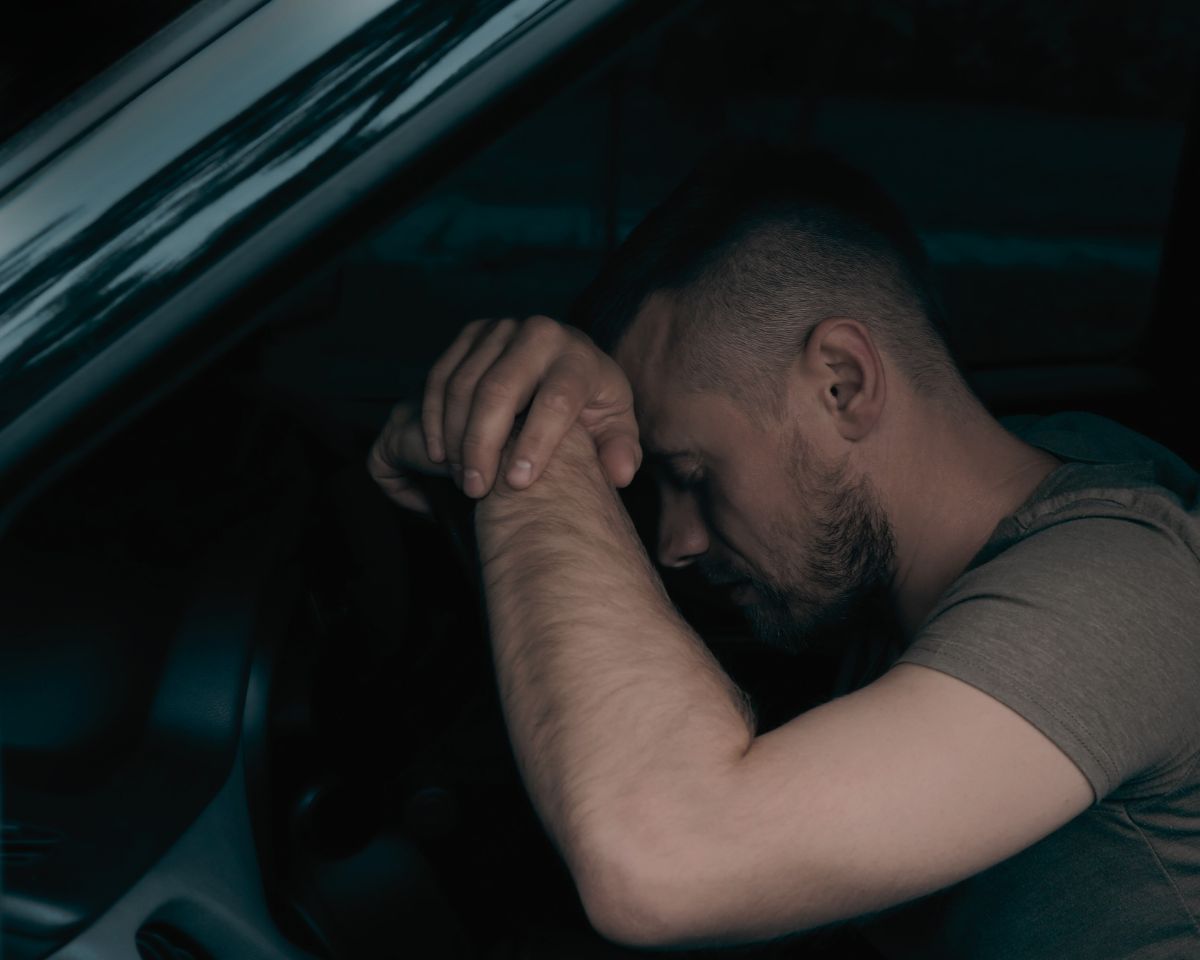
One of the most common questions people ask after a DUI arrest is:
“How can I be charged if I wasn’t even driving?”
This situation happens more often than most people realize—especially when someone is found intoxicated in a parked vehicle, asleep in a car, or stopped on the side of the road. California DUI law can feel confusing and unfair if you believe you never actually drove while impaired.
This article explains what California law truly requires for a DUI conviction, when police may still arrest you without seeing you drive, and how these cases are often defended.
Understanding DUI Law in California
In California, DUI laws are governed primarily by Vehicle Code section 23152. This statute makes it illegal to drive a vehicle while:
-
Under the influence of alcohol
-
Under the influence of drugs (including prescription medications)
-
Under the combined influence of alcohol and drugs
-
Having a blood alcohol concentration (BAC) of 0.08% or higher
A key word appears in every DUI statute: drive.
That single word becomes critically important in cases where a person was not actively driving when contacted by police.
Does California Law Require Driving for a DUI?
Yes.
Under California law, driving is an essential element of a DUI charge. Prosecutors must prove beyond a reasonable doubt that:
-
You drove a vehicle, and
-
You were under the influence at the time you drove
California courts define “driving” as voluntarily causing a vehicle to move, even slightly. The movement does not need to be long or fast. A vehicle rolling a short distance can legally qualify as driving.
However, a stationary vehicle alone does not automatically equal driving.
Can You Be Arrested for DUI Without Driving?
This is where confusion often arises.
While a conviction requires proof of driving, police officers are allowed to make arrests based on reasonable belief, not final proof. As a result, people are sometimes arrested for DUI even when an officer did not personally observe them driving. Whether the case ultimately holds up in court depends on the evidence.
Common Situations Where DUI Charges Happen Without Observed Driving
1. Sitting in a Parked Car While Intoxicated
Many DUI arrests occur when someone is found intoxicated in a parked vehicle, such as:
-
Sitting in the driver’s seat
-
Sleeping in the car
-
Engine running or recently turned off
-
Keys in the ignition or within reach
Police may assume the person either drove there while intoxicated or was about to drive. While this can lead to an arrest, it does not automatically guarantee a conviction.
California law does not specifically criminalize merely sitting in a parked car while intoxicated. The prosecution must still prove that driving occurred.
2. Being Found on the Side of the Road
If a vehicle is stopped on the shoulder or in an unusual location, officers may infer that:
-
The driver recently operated the vehicle
-
The driver became impaired after stopping
-
The vehicle was driven while the driver was under the influence
These assumptions are often challenged in court, particularly when there is no direct evidence of driving.
3. No Officer Witnessed the Driving
It is extremely common for DUI cases to proceed without an officer seeing the vehicle in motion. Instead, prosecutors rely on circumstantial evidence, such as:
-
Witness statements
-
Time and location of the vehicle
-
Driver admissions
-
Vehicle position
-
Condition of the engine
-
Surveillance footage or digital data
Circumstantial evidence is legally allowed, but it must still convince a jury beyond a reasonable doubt.
What About “Actual Physical Control”?
In some states, DUI laws explicitly prohibit being in “actual physical control” of a vehicle while intoxicated. California law does not use this phrase in its DUI statutes.
That said, prosecutors sometimes argue concepts similar to physical control—especially when a person is in the driver’s seat with access to the vehicle’s controls.
Important clarification:
Being in control of a vehicle is not automatically the same as driving under California law. Defense attorneys frequently challenge these arguments when no movement occurred.
Can You Be Convicted of DUI if the Car Never Moved?
Possibly—but not automatically.
To secure a conviction, the prosecution must still prove that:
-
The vehicle was driven, even briefly, and
-
The driving occurred while the person was impaired
If the car never moved and there is no reliable evidence showing prior movement, a strong defense may exist.
Examples: When DUI Charges Are More Likely to Stick
-
A witness saw the person driving shortly before police arrived
-
The person admitted to driving while intoxicated
-
Vehicle data or surveillance shows movement
-
The car was stopped in traffic or an active roadway
In these cases, prosecutors often succeed by showing a timeline that links intoxication to driving.
Examples: When DUI Charges Are Easier to Defend
-
The person was asleep in a parked vehicle
-
The vehicle was legally parked with no signs of recent movement
-
No witnesses or video show driving
-
The person became intoxicated after parking
-
The keys were not in the ignition
These situations commonly raise reasonable doubt about whether driving occurred.
The “No Driving” Defense in California DUI Cases
One of the most effective defenses in these cases is simply that the prosecution cannot prove driving.
Common defense strategies include:
-
Challenging assumptions made by police
-
Highlighting the absence of witnesses
-
Showing alternative explanations for vehicle location
-
Demonstrating that intoxication occurred after driving
-
Disputing the timeline presented by the prosecution
If jurors are unsure whether driving happened, they must legally return a verdict of not guilty.
What About the DMV and Your Driver’s License?
Even if criminal charges are weak, California’s Department of Motor Vehicles (DMV) operates separately from the court system.
After a DUI arrest, the DMV may attempt to suspend your license based on:
-
A chemical test result
-
An alleged refusal to test
-
The officer’s arrest report
You have only 10 days from the date of arrest to request a DMV hearing. Failing to do so can result in automatic license suspension—regardless of whether the criminal case is later dismissed.
Common Myths About DUI Without Driving
Myth: You cannot be arrested unless police see you driving.
Reality: Police can arrest based on reasonable belief, but conviction still requires proof.
Myth: Sitting in a parked car while drunk is always a DUI.
Reality: Sitting alone is not enough; driving must be proven.
Myth: Turning the engine off protects you from DUI charges.
Reality: Engine status is only one factor and does not guarantee protection.
Key Takeaways
-
California DUI law requires proof of driving
-
Police may still arrest without witnessing driving
-
Parked car DUI cases are highly fact-specific
-
Lack of movement can be a powerful defense
-
DMV consequences can occur even without conviction
Every detail matters in these cases—from where the keys were located to how the vehicle was positioned.
Get Help From Southwest Legal
If you or someone you care about has been arrested for DUI in Southern California—especially in a situation where no driving occurred or the vehicle was parked—you should not assume the case is hopeless. Southwest Legal understands how California DUI laws are applied and knows how to challenge cases built on assumptions rather than proof. Contact us today to discuss your case, protect your rights, and explore your legal options before deadlines pass. Your future, freedom, and driving privileges may depend on acting quickly.