


What You Need to Know if You’ve Been Arrested or Convicted
If you’ve been arrested or convicted of a crime in California, the penalties don’t always end in court. Even after you’ve served your sentence, paid fines, or completed probation, a criminal record can follow you for life—impacting everything from your employment to housing, immigration status, and beyond.
Whether you’re facing DUI charges, a misdemeanor, felony, or traffic offense, it’s critical to understand the long-term effects a conviction can have on your future. Below are the top 10 consequences of having a criminal record in California and what you can do to protect your rights.
1. Difficulty Getting a Job
One of the most immediate and lasting effects of a criminal record is how it impacts your employment opportunities.
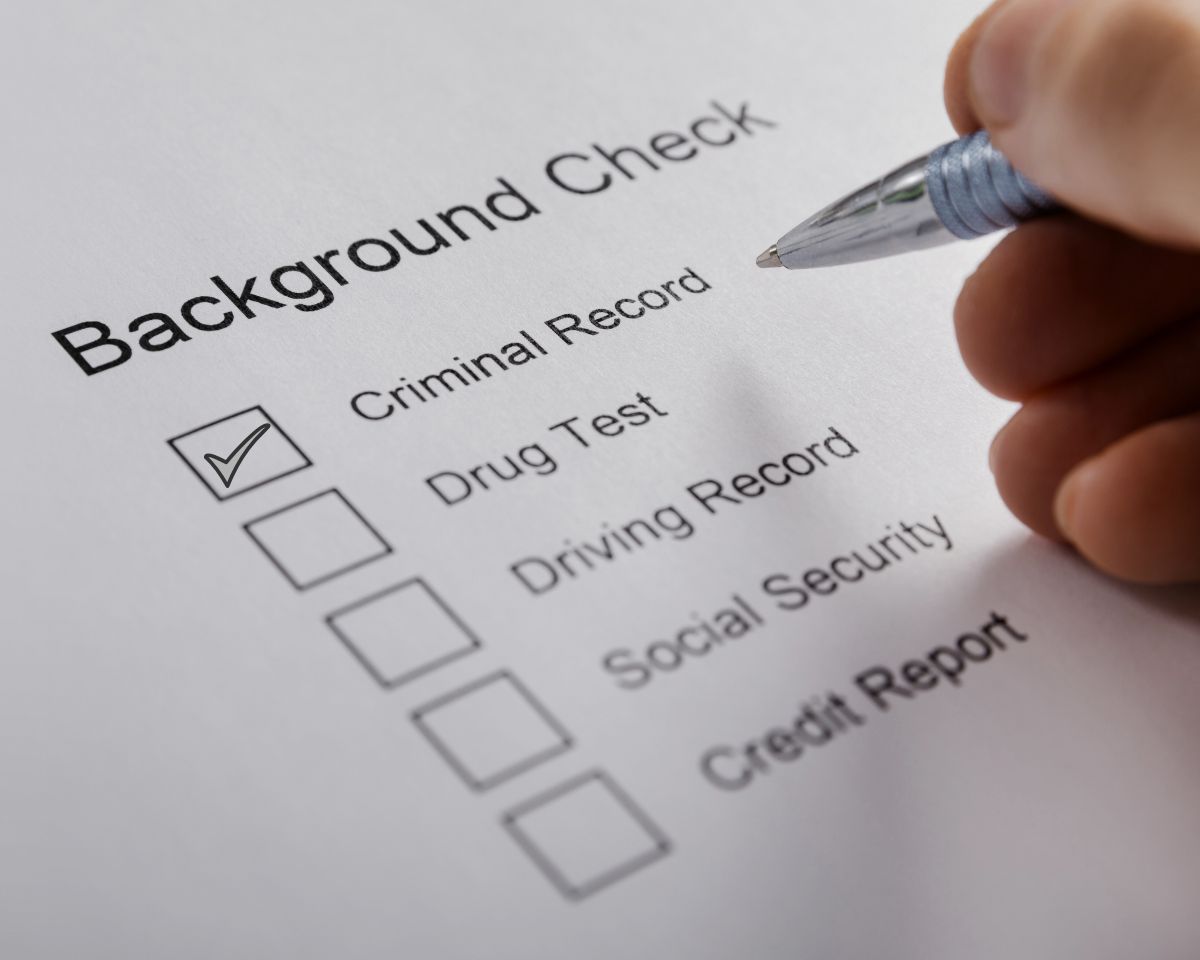
Background checks are routine for most jobs in California.
Employers may reject your application if your conviction is relevant to the position.
Certain industries, such as healthcare, law enforcement, education, and finance, have strict licensing requirements that may bar individuals with certain convictions.
Even misdemeanors, like DUI or petty theft, can hurt your chances of landing a job, especially if they appear recent or involve dishonesty, violence, or drugs.
2. Loss of Professional Licenses
If you hold—or plan to apply for—a professional license in California, a criminal record can be a major barrier.
Licensing boards for doctors, nurses, contractors, real estate agents, teachers, and others often review criminal history when issuing or renewing licenses. A conviction doesn’t always mean automatic denial, but it may trigger an investigation or hearing.
DUIs can affect commercial driver licenses (CDLs). Drug or theft convictions can impact pharmacy, nursing, or care-related licenses.
3. Immigration Consequences
If you’re not a U.S. citizen, a criminal conviction—even a misdemeanor—can carry serious immigration consequences.
Certain crimes are classified as “crimes of moral turpitude” or “aggravated felonies,” which can lead to deportation, denial of a green card, or a bar from re-entering the country. Even legal permanent residents (green card holders) can be deported for specific offenses.
4. Loss of Gun Rights
Under both California and federal law, certain criminal convictions lead to a loss of firearm rights.
Felony convictions generally result in a lifetime ban on gun ownership. Some misdemeanors, such as domestic violence, also result in a 10-year or lifetime ban.
If you’re caught possessing a firearm after being prohibited, you could face new felony charges and prison time.
5. Housing Restrictions
Landlords in California often perform criminal background checks on prospective tenants. While state law is shifting to reduce discrimination, many people with records still face:
Rental denials
Difficulty getting approved for subsidized housing or Section 8
Higher deposits or restricted lease terms
Certain convictions, like drug manufacturing or sex offenses, can make you ineligible for federal housing assistance.
6. Loss of Voting Rights (For Felony Convictions)
In California, individuals regain the right to vote after completing a prison sentence. However, during incarceration for a felony, you cannot vote.
Once you’re out on parole or probation, your voting rights are automatically restored—but many people are unaware and miss elections.
7. Impact on Child Custody and Parental Rights
A criminal record—especially for domestic violence, drug use, or abuse—can impact child custody or visitation rights.
Courts consider the best interests of the child, and a parent with a criminal history may be seen as:
A danger to the child
Unstable or unfit
Unreliable regarding parenting time
Even if you have custody, a co-parent can petition the court for changes citing your criminal history.
8. Long-Term Financial Costs
Beyond court fees and fines, a criminal record can increase your lifetime financial burden:
Loss of income due to employment issues
Increased insurance rates (especially after a DUI)
Legal costs for appeals, expungements, or rights restoration
These financial consequences often go unnoticed until they begin piling up.
9. Social Stigma and Personal Reputation
Even if your conviction was minor or happened years ago, a criminal record can carry a lifelong stigma.
Employers, neighbors, schools, and others may treat you differently. Social media and online background checks can expose your record permanently. This can affect dating, friendships, and professional networking.
10. Difficulty Traveling Internationally
Some countries deny entry to individuals with a criminal record.
For example:
Canada is known to deny entry for DUIs or theft convictions.
The UK, Australia, and other countries may require you to apply for special visas or permits.
This can make it difficult to travel for work, family, or leisure.
What Can You Do About It?
The good news? In California, there are legal ways to reduce the impact of a criminal record:
Expungement
Certain convictions may be dismissed under Penal Code § 1203.4, allowing you to legally say “you were not convicted” in most job applications.
Record Sealing
Under the Clean Slate Act (SB 731), many old or dismissed cases are automatically sealed after a period of time.
Certificate of Rehabilitation or Governor’s Pardon
These options may restore rights like firearm ownership or licensing eligibility.
Talk to a Criminal Defense Attorney Today
If you’re facing charges or already have a criminal record, don’t face the consequences alone. As a California criminal defense attorney focusing on DUI, misdemeanor, felony, and traffic ticket defense, I help clients minimize the impact of criminal charges—and in many cases, clear their records altogether. Call now for a free consultation to see how I can help you protect your rights and your future.