


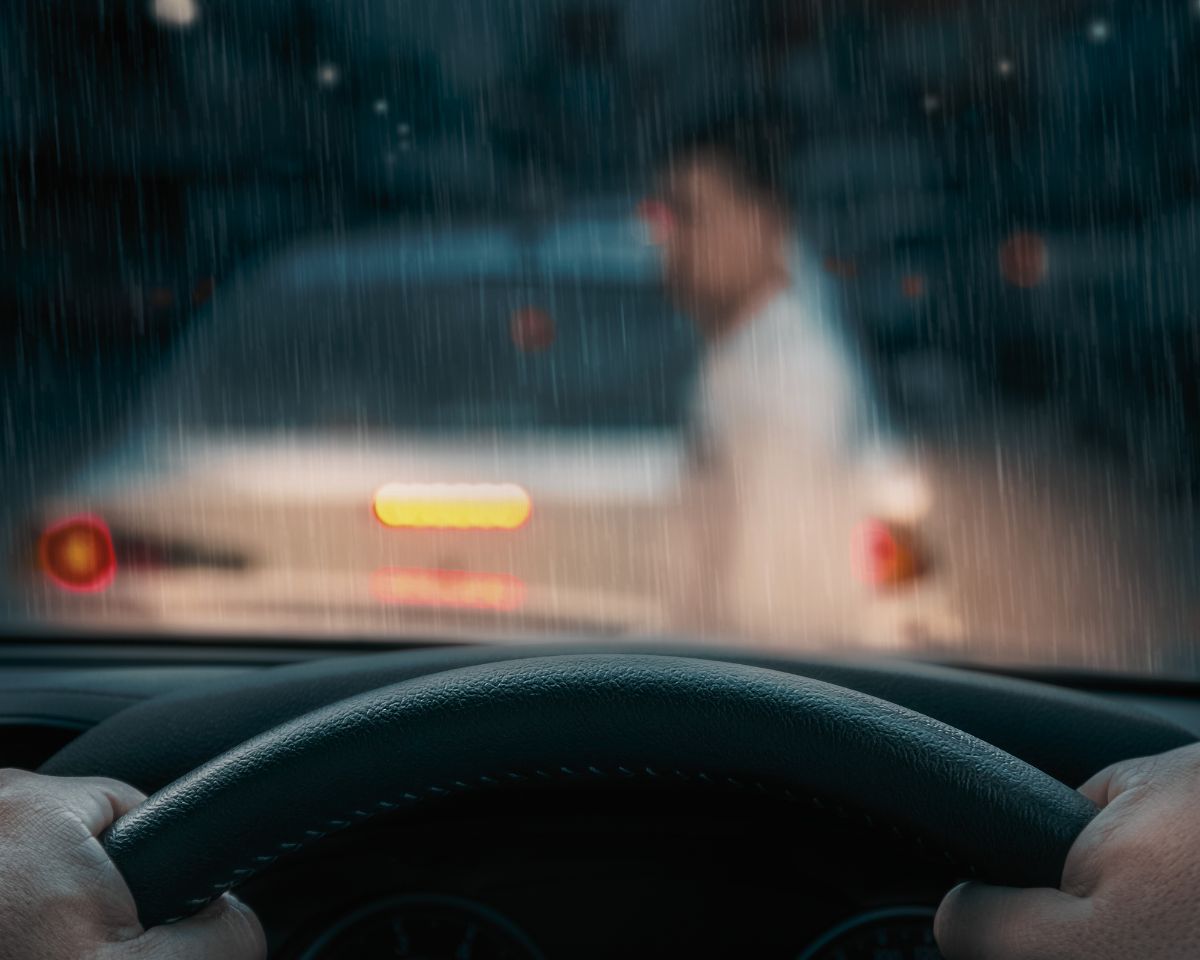
Pedestrian accidents in crosswalks are a serious concern in California, where traffic laws strongly protect pedestrians. When a driver hits a pedestrian and leaves the scene, it can escalate into a hit and run case, which carries significant criminal penalties. Understanding how crosswalk accidents happen, what counts as a hit and run, and the potential consequences under California law is essential for both drivers and pedestrians.
Understanding Crosswalk Accidents in California
What Is a Crosswalk Accident?
In California, a crosswalk accident occurs when a pedestrian is struck by a vehicle while legally crossing the street. Crosswalks can be marked with painted lines and signs or unmarked, such as intersections where pedestrian traffic has the right-of-way. Under California Vehicle Code (CVC) Section 21950, drivers must yield to pedestrians in crosswalks, whether marked or unmarked. Failure to do so can result in traffic citations, civil liability, and in some cases, criminal charges.
Common Causes
Crosswalk accidents in California often happen due to:
-
Driver distraction – Using a phone, eating, or adjusting in-car controls.
-
Speeding – California law requires drivers to reduce speed in areas with pedestrian traffic.
-
Impaired driving – Alcohol or drugs reduce reaction time, increasing accident risk.
-
Limited visibility – Darkness, fog, or obstructions can make pedestrians harder to see.
-
Pedestrian error – Crossing against signals or outside designated areas can complicate liability.
Even if the pedestrian shares some fault, leaving the scene can trigger serious hit and run charges.
What Is a Hit and Run?
A hit and run in California is defined under CVC Section 20001 (injury or death) and CVC Section 20002 (property damage). A hit-and-run occurs when a driver is involved in an accident that causes injury, death, or property damage and fails to stop to provide contact information or render aid. Key elements include:
-
Involvement in an accident – The driver made contact with a pedestrian, another vehicle, or property.
-
Failure to stop – Leaving the scene without providing identification or aid.
-
Knowledge – The driver knew, or reasonably should have known, that an accident occurred.
California law treats leaving the scene after hitting a pedestrian as a serious criminal offense, especially if the accident results in injury or death.
Legal Consequences of Hit-and-Run
The penalties for hit-and-run in California depend on the severity of the accident:
-
Property damage only (CVC 20002) – Misdemeanor: fines up to $1,000, possible jail time up to 6 months, and license suspension.
-
Injury to a pedestrian (CVC 20001(a)) – Felony: up to 4 years in state prison, fines, restitution, and license suspension.
-
Death of a pedestrian (CVC 20001(b)) – Felony: 4–10 years in state prison, large fines, and permanent consequences on driving privileges.
Even leaving the scene unintentionally can result in criminal charges. California law emphasizes that drivers must remain at the scene and provide assistance, regardless of intent.
Liability in Crosswalk Accidents
Determining responsibility in a California crosswalk accident involves several considerations:
-
Driver liability – Failing to yield, distracted driving, speeding, or driving under the influence.
-
Pedestrian liability – Crossing illegally, ignoring pedestrian signals, or behaving unsafely.
-
Shared liability – California uses comparative negligence, meaning both parties can be partially responsible.
However, leaving the scene is a separate criminal offense, which can significantly worsen legal consequences.
Steps to Take After a Crosswalk Accident
If You Are a Driver
-
Stop immediately – California law requires stopping at the scene of any accident.
-
Check for injuries – Call 911 if anyone is hurt.
-
Provide identification – Give your name, address, and insurance information.
-
Document the scene – Take photos of the accident, vehicle, and any injuries.
-
Collect witness statements – Names and contact information can be critical.
If You Are a Pedestrian
-
Seek medical attention immediately – Even minor injuries should be evaluated.
-
Report the accident – Notify law enforcement to ensure a report is filed.
-
Document details – Record vehicle description, license plate, and driver behavior if possible.
-
Avoid admitting fault – Let authorities determine liability.
Can Leaving the Scene Accidentally Be a Hit and Run?
Yes. Under California law, intent is not required to be charged with a hit-and-run. Even if a driver panics or leaves the scene unknowingly, they may still face criminal charges, although circumstances may be considered during sentencing.
Common Questions About Hit and Run and Crosswalk Accidents
-
What if the pedestrian caused the accident?
Even if a pedestrian is partially at fault, leaving the scene can lead to criminal charges. Civil liability and criminal responsibility are separate issues. -
Can hit-and-run be a felony?
Yes. If the accident causes injury or death, hit-and-run is treated as a felony under CVC 20001, with severe prison and financial penalties. -
What evidence is used in hit and run cases?
Law enforcement may rely on witness statements, surveillance cameras, vehicle damage, skid marks, and forensic evidence to determine fault. -
Are there defenses to hit and run charges?
Potential defenses include no contact with the pedestrian, lack of knowledge, or mistaken identity. Each case is unique and depends on the specific facts.
Preventing Crosswalk Accidents
Tips for Drivers
-
Slow down near crosswalks, schools, and high pedestrian areas.
-
Avoid distractions like phones, eating, or adjusting controls.
-
Never drive under the influence of alcohol or drugs.
-
Exercise extra caution in poor visibility, such as at night or in foggy conditions.
Tips for Pedestrians
-
Use marked crosswalks whenever possible.
-
Obey traffic signals and ensure it is safe before crossing.
-
Wear visible clothing, especially at night.
-
Stay alert and avoid distractions like phones while crossing.
Being proactive and cautious can prevent accidents and the severe consequences of hit and run charges.
Conclusion
Crosswalk accidents in California can have serious civil and criminal consequences. Leaving the scene of an accident, even unintentionally, can result in hit-and-run charges with fines, license suspension, and potential jail time. Both drivers and pedestrians should understand their responsibilities, the law, and the proper steps to take after an accident.
If you or someone you know has been involved in a crosswalk accident or hit and run situation in Southern California, it is important to contact Southwest Legal to understand your rights and explore the proper steps following an accident.