


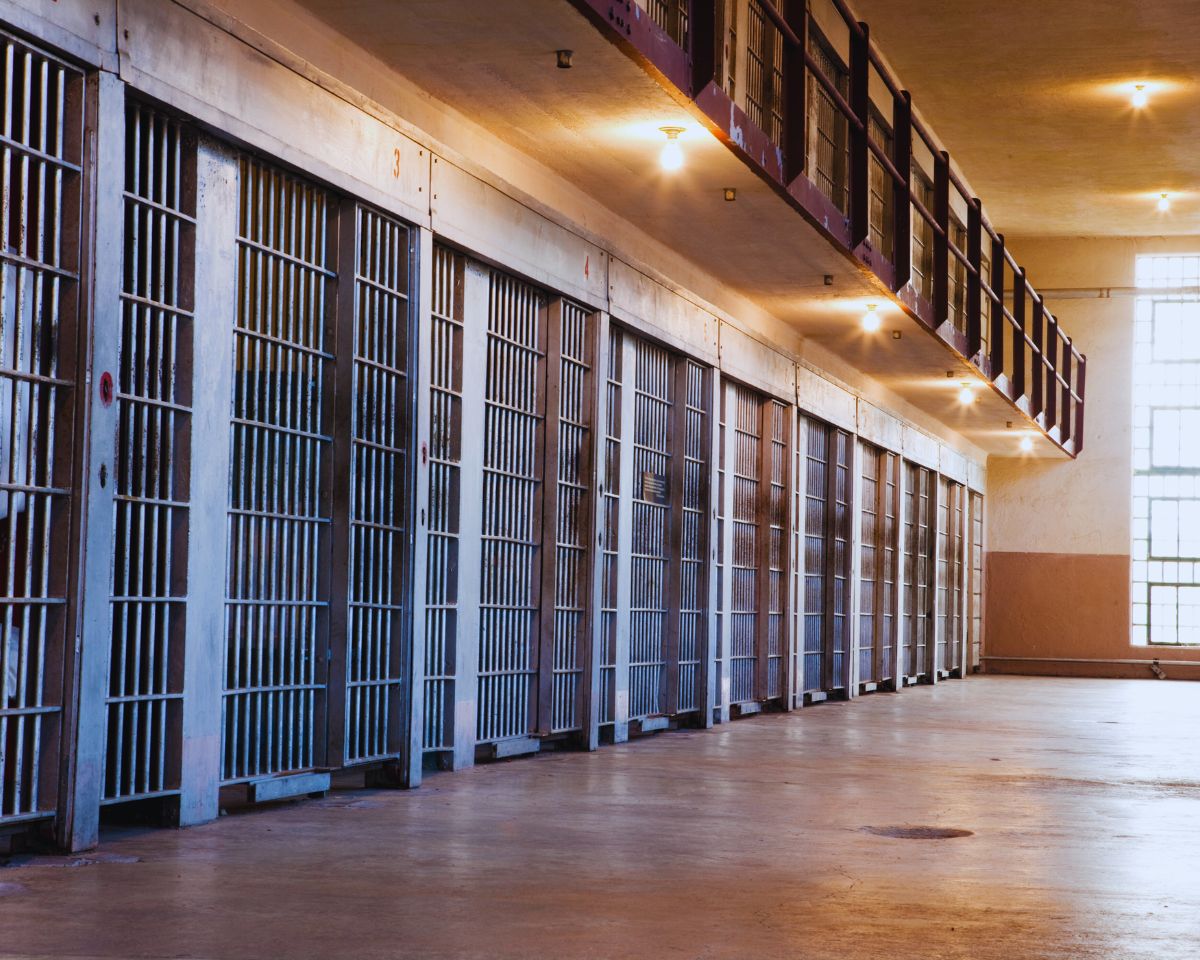
When people hear the word “prison,” they often imagine a single, uniform system. In reality, the United States has a complex network of correctional facilities, primarily divided into two categories: federal prisons and state prisons. These institutions serve different purposes, hold different types of offenders, and operate under different legal frameworks.
If you’ve ever wondered what sets federal and state prisons apart—or why someone might be sent to one rather than the other—you’re not alone. In this detailed yet simple guide, we break down the differences between federal and state prison systems to help you understand how they work, who ends up where, and what life is like inside.
Overview: The Two Main Prison Systems in the U.S.
The American correctional system is primarily divided between:
-
State prisons, run by individual states
-
Federal prisons, run by the federal government through the Federal Bureau of Prisons (BOP)
Each system operates independently and is responsible for enforcing different types of laws.
Who Gets Sent Where?
Most prisoners in the U.S. are housed in state prisons. These facilities hold individuals convicted of violating state laws. Common offenses include:
-
Murder
-
Assault
-
Robbery
-
Rape
-
Drug trafficking (at the state level)
-
Burglary and theft
Each state has its own criminal code and court system, so the charges and sentencing may vary depending on where the crime was committed.
Federal prisons house inmates convicted of breaking federal laws—laws enacted by the U.S. Congress. These often include:
-
Large-scale drug trafficking (especially across state or international borders)
-
Immigration offenses
-
White-collar crimes (e.g., fraud, embezzlement, insider trading)
-
Federal gun law violations
-
Crimes committed on federal property (like national parks or military bases)
If a person breaks a law that crosses state lines or involves federal agencies (like the FBI or DEA), they are typically tried in federal court and sentenced to a federal prison.
Management and Oversight
State Prison:
Each U.S. state has its own Department of Corrections (DOC), responsible for managing state prisons. For example:
-
California has the California Department of Corrections and Rehabilitation (CDCR)
-
Texas operates under the Texas Department of Criminal Justice (TDCJ)
These departments set their own policies, regulations, and rehabilitation programs.
Federal Prison:
Federal prisons are operated by the Federal Bureau of Prisons (BOP), a division of the U.S. Department of Justice. The BOP oversees:
-
Staffing and facility operations
-
Inmate classification and transfers
-
Federal rehabilitation and education programs
Types of Crimes and Sentencing Differences
State Crimes:
State crimes typically involve violent or property-related offenses, and sentencing is determined based on state law. A person convicted of murder in one state might receive life imprisonment, while in another state, the sentence could include the death penalty (where it is still legal).
Federal Crimes:
Federal offenses often involve interstate or national issues, and sentencing tends to be more standardized. Federal judges use the Federal Sentencing Guidelines, which aim to ensure consistent punishment nationwide. Sentences in federal court are often longer, especially for drug and financial crimes.
Length of Incarceration and Parole Eligibility
State Prison:
-
Sentences can vary widely.
-
In some states, inmates are eligible for parole, allowing early supervised release.
-
Good behavior can sometimes lead to early release or sentence reduction.
Federal Prison:
-
The federal system abolished parole for crimes committed after 1987.
-
Inmates must serve at least 85% of their sentence, even with good behavior.
-
This often results in longer actual time served compared to state systems.
Security Levels and Facility Types
Both federal and state systems classify prisons based on security levels, such as:
-
Minimum security
-
Low security
-
Medium security
-
High security (maximum)
-
Supermax (for the most dangerous or high-profile inmates)
Federal Facilities:
The BOP categorizes federal prisons with more consistent standards. For example:
-
Federal Prison Camps (FPCs): Minimum-security facilities, often without perimeter fences.
-
Federal Correctional Institutions (FCIs): Medium-security with more controlled environments.
-
United States Penitentiaries (USPs): High-security prisons for violent or high-risk offenders.
State Facilities:
States may have varying standards and conditions. Some state systems suffer from overcrowding and budget limitations, which can affect inmate safety, medical care, and rehabilitation.
Inmate Population and Demographics
State Prison:
As of recent data, over 1 million inmates are in state prisons. The majority are serving time for:
-
Violent crimes (about 55%)
-
Property crimes
-
Drug-related offenses
Federal Prison:
Federal prisons house roughly 140,000 inmates. Common offenses include:
-
Drug offenses (over 45% of the federal prison population)
-
Weapons and firearm offenses
-
Immigration crimes
-
White-collar crimes
Conditions and Quality of Life
Federal Prisons:
-
Generally better funded than many state systems
-
Often cleaner and more modern
-
Offer more consistent access to educational programs, libraries, and vocational training
-
White-collar criminals are more likely to be housed here, especially in lower-security prisons
State Prisons:
-
Conditions vary widely by state
-
Some facilities are understaffed or overcrowded
-
Quality of healthcare and programs can range from excellent to severely lacking
Rehabilitation and Reentry Programs
Both systems offer:
-
GED and educational programs
-
Substance abuse treatment
-
Vocational training
-
Religious and mental health services
However, federal prisons typically have more resources, while state programs may depend heavily on state budgets and local support.
Release and Supervision
After release:
-
Federal inmates may serve supervised release terms, similar to parole.
-
State inmates may be released on parole or probation, depending on the state laws and their sentence.
Key Differences
| Feature | Federal Prison | State Prison |
|---|---|---|
| Operated By | Federal Bureau of Prisons (BOP) | State Departments of Corrections |
| Type of Law | Federal crimes | State crimes |
| Common Offenses | Drug trafficking, white-collar crimes, immigration | Murder, assault, robbery, burglary |
| Sentencing | Standardized, no parole | Varies by state, parole often possible |
| Facilities | Generally better funded and consistent | Quality and conditions vary by state |
| Release | Supervised release after sentence completion | Parole or probation depending on state laws |
Conclusion
Understanding the difference between federal and state prisons is essential for anyone looking to grasp how the U.S. justice system works. While both types of facilities serve the same overarching purpose—punishment, deterrence, and rehabilitation—they operate under different legal systems and house different kinds of offenders.
Federal prisons typically handle crimes that cross state lines or involve federal laws, such as large-scale drug trafficking or white-collar offenses. They are run by the Federal Bureau of Prisons and tend to have more standardized procedures and often better funding. State prisons, on the other hand, deal with a wider range of criminal behavior, especially violent crimes, and conditions can vary significantly from one state to another.
Whether you’re researching for personal interest, supporting a loved one, or seeking legal clarity, knowing these distinctions can help demystify the incarceration process. If you or someone you know is facing criminal charges, consulting an experienced attorney—especially one who understands both federal and state jurisdictions—is a crucial next step.