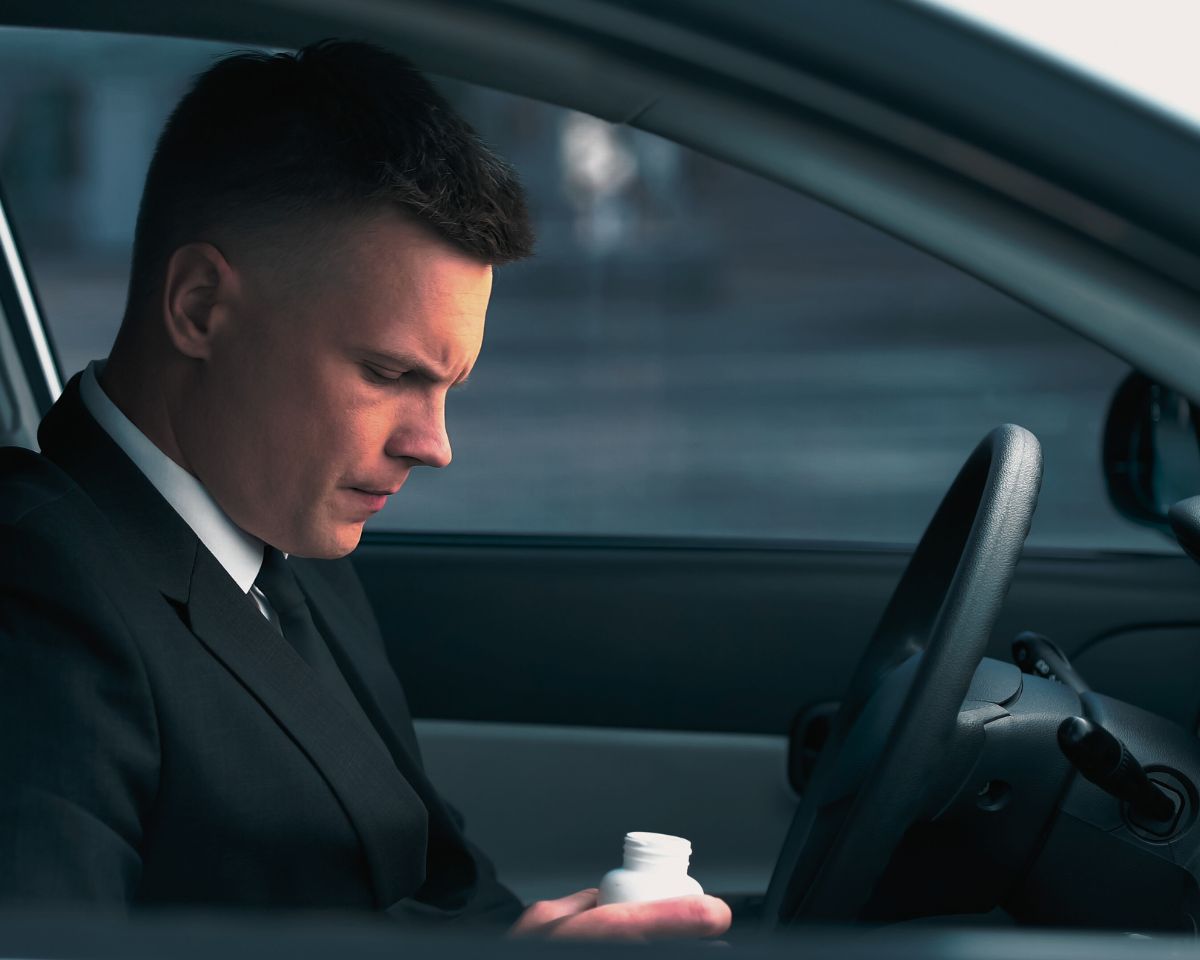
Being arrested for driving under the influence is stressful, confusing, and often overwhelming. Many drivers in California believe that any DUI arrest automatically leads to two separate cases: one in criminal court and one with the Department of Motor Vehicles (DMV). While that is often true for alcohol-related DUIs, drug-only DUI arrests work very differently.
In fact, many people arrested for DUI based solely on drugs never have a DMV hearing at all. This surprises drivers who expect an immediate license suspension or a notice from the DMV shortly after arrest. Understanding why this happens — and what it means for your license — can help you avoid costly mistakes and unnecessary panic.
This article explains, in clear and accurate terms, why the DMV may never hear your drug DUI case in California, how drug DUIs differ from alcohol DUIs, and what you should expect moving forward.
Understanding DUI Cases in California: Two Separate Systems
After a DUI arrest in California, there are typically two independent legal processes:
-
The criminal court case, which determines whether you are guilty of DUI and what penalties apply.
-
The DMV administrative process, which focuses only on your driving privilege — not criminal guilt.
These two systems operate independently of one another. You can win one and lose the other, or one may occur while the other never happens at all.
For alcohol DUIs, both processes usually begin immediately. For drug-only DUIs, however, the DMV process often does not begin at the time of arrest.
What Normally Triggers a DMV Hearing After a DUI Arrest
The DMV’s involvement after a DUI arrest is usually based on something called an Administrative Per Se (APS) suspension. This is an automatic license suspension that occurs when certain legal conditions are met.
An APS suspension typically applies when:
-
A driver’s blood alcohol concentration (BAC) is at or above the legal limit
-
A driver refuses a required chemical test
-
A driver is under 21 or driving a commercial vehicle with prohibited alcohol levels
When an APS suspension applies, the officer issues a temporary license and the DMV sends a notice of suspension. The driver then has only 10 days to request a DMV hearing to challenge that suspension.
This process is very common in alcohol-related DUI cases.
Why Drug-Only DUI Arrests Are Different
The key difference with drug DUIs is this:
California law does not set a specific “per se” legal limit for drugs the way it does for alcohol.
There is no universally defined blood level for marijuana, prescription medication, or other drugs that automatically triggers a DMV suspension at the time of arrest. Because of this, most drug-only DUI arrests do not qualify for an Administrative Per Se suspension.
Without an APS suspension, the DMV has no immediate reason to:
-
Suspend your license
-
Schedule a DMV hearing
-
Send a notice requiring action within 10 days
As a result, many people arrested for drug DUI never hear from the DMV at all after the arrest.
What Happens to Your Driver’s License After a Drug DUI Arrest?
If your arrest involves only drugs and no alcohol, here is what typically happens:
-
You are arrested and cited by law enforcement
-
You are released with instructions to appear in criminal court
-
Your driver’s license usually remains valid
-
No DMV hearing is automatically scheduled
-
No immediate DMV suspension is imposed
This can feel strange, especially if you were expecting urgent DMV deadlines. But in drug-only DUI cases, this is often normal.
Does This Mean the DMV Can Never Suspend Your License?
No. It simply means the DMV usually does not take action at the time of arrest.
If you are later convicted in criminal court of a DUI involving drugs, the court will notify the DMV. At that point, the DMV can impose a license suspension or restriction based on the conviction, not the arrest.
In other words:
-
Alcohol DUI: DMV action often happens immediately after arrest
-
Drug DUI: DMV action often happens only after a conviction
Why the DMV Treats Alcohol and Drugs Differently
The DMV’s authority to suspend licenses before a conviction is based on clearly defined standards. Alcohol DUIs rely on measurable BAC levels that are easy to apply administratively.
Drug impairment, on the other hand:
-
Varies widely depending on the substance
-
Affects individuals differently
-
Lacks a universally accepted numeric threshold
Because of this, California’s administrative suspension laws are primarily structured around alcohol, not drugs. Until the criminal court determines guilt, the DMV often has no clear legal basis to act.
Common Reasons People Get Confused About DMV Hearings for Drug DUIs
Many drivers worry they missed a deadline or failed to request a hearing. In reality, confusion often comes from:
-
Assuming all DUIs trigger DMV hearings
-
Receiving general DUI advice that applies only to alcohol cases
-
Expecting a notice that never arrives
-
Hearing about “10-day deadlines” that don’t apply to drug-only arrests
This misunderstanding can cause unnecessary stress. If your case truly involves drugs only, the absence of a DMV hearing may be expected — not a mistake.
Situations Where the DMV May Still Get Involved Early
Although uncommon, there are exceptions. The DMV may still take early action if:
-
Alcohol is later detected in testing
-
The arrest involved a chemical test refusal
-
There are prior DUI-related license actions
-
The case involves special licensing categories
Each case is fact-specific, which is why legal guidance is important.
Why Criminal Court Becomes the Main Focus in Drug DUI Cases
Since there is often no immediate DMV case, the criminal court case becomes the primary battleground in a drug DUI arrest.
The outcome of that case determines:
-
Whether you are convicted
-
Whether the DMV will later suspend your license
-
Whether you face probation, fines, or DUI programs
Successfully challenging the criminal case can sometimes prevent DMV penalties altogether.
What You Should Do If You Were Arrested for a Drug DUI
If you were arrested for DUI involving drugs in California:
-
Do not assume the DMV will contact you
-
Do not assume your license is already suspended
-
Do not ignore court paperwork
-
Track your criminal court dates carefully
-
Seek legal advice early to understand your exposure
Every case is different, and small details can change how both the court and the DMV respond.
Key Takeaways
-
Drug-only DUI arrests in California often do not trigger DMV hearings
-
The DMV usually does not impose an immediate suspension after a drug DUI arrest
-
License action typically occurs only after a conviction
-
Alcohol DUI rules do not always apply to drug DUI cases
-
Understanding the difference can prevent costly mistakes
Get Help From Southwest Legal
If you or a loved one has been arrested for a drug DUI in Southern California, understanding how the DMV and criminal court interact is critical. Mistakes, missed deadlines, or incorrect assumptions can have long-term consequences for your driving privileges and your record. Southwest Legal provides experienced guidance for DUI and drug-related driving cases and can help you understand your options, protect your rights, and plan your next steps with confidence. Contact us today for a free, confidential consultation and get clear answers about your drug DUI case.