


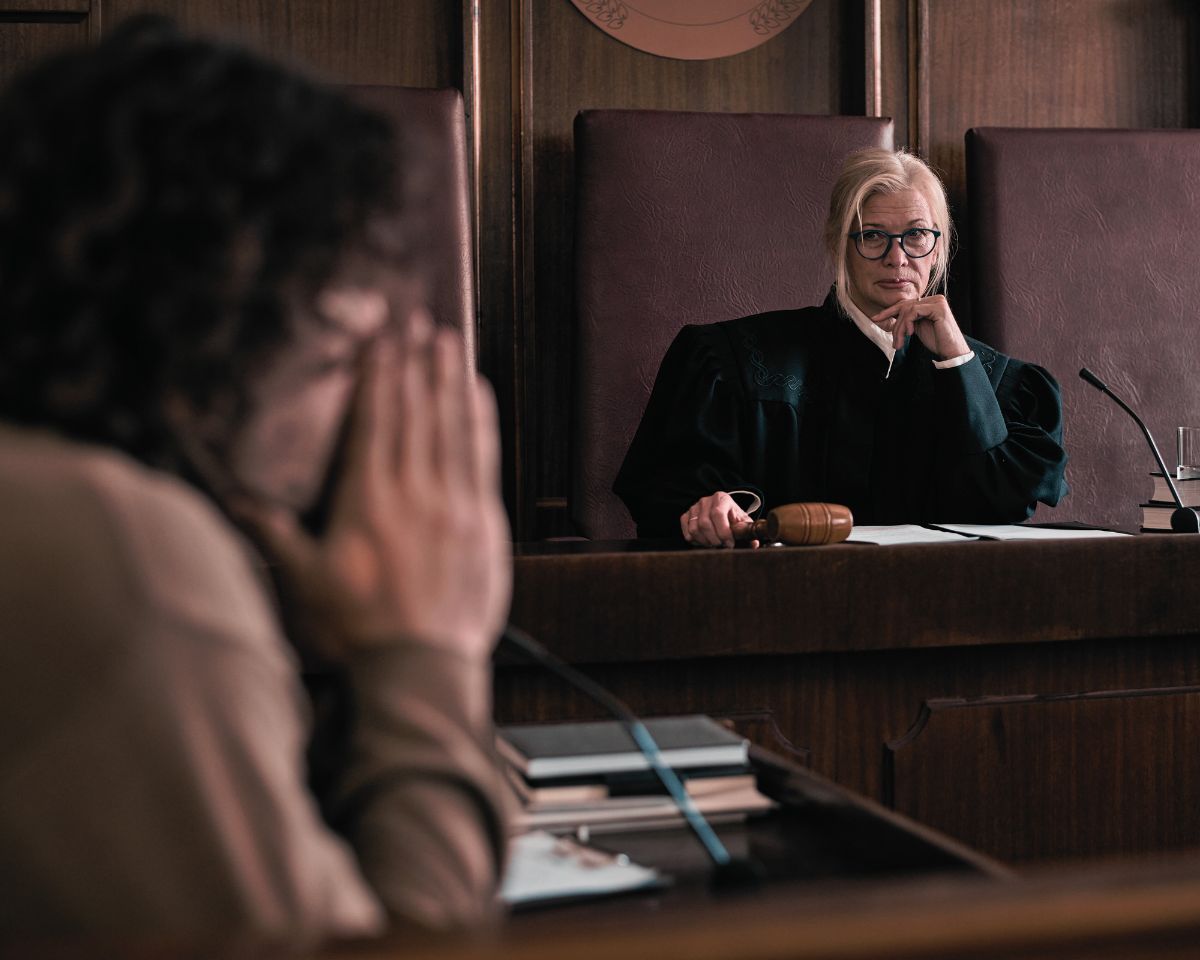
If you or a loved one is on felony probation in California, it’s crucial to understand that probation is not a free pass—it’s a court-ordered program with strict rules. Violating these rules can have serious legal repercussions, sometimes more severe than the original conviction. In this article, we’ll break down three critical consequences of a felony probation violation in California and offer guidance on how to protect your rights.
Understanding Felony Probation in California
Felony probation is a legal alternative to serving time in state prison for certain serious offenses. Instead of incarceration, the court allows you to remain in your community under strict supervision, provided you follow specific conditions. These conditions typically include:
-
Regular meetings with a probation officer
-
Avoiding criminal activity
-
Attending counseling or treatment programs (such as drug or alcohol rehabilitation)
-
Paying fines or restitution
-
Staying within certain geographical boundaries
Violation of any of these conditions—whether intentional or accidental—can trigger serious consequences. California law treats felony probation violations very seriously, and the penalties can escalate quickly.
What Constitutes a Felony Probation Violation?
A probation violation occurs when you fail to comply with one or more of the conditions imposed by the court. Common types of violations include:
-
Failure to Report to a Probation Officer – Missing scheduled meetings or failing to respond to probation check-ins.
-
Committing a New Crime – Being arrested or charged with any new criminal offense during probation.
-
Failure to Complete Court-Ordered Programs – Skipping drug treatment, counseling, community service, or educational requirements.
-
Substance Use Violations – Testing positive for alcohol or illegal drugs if prohibited by your probation terms.
-
Associating with Certain Individuals – Contacting known criminals or gang members if restricted.
Even minor infractions, such as missing a probation meeting, can escalate if not addressed promptly. It’s essential to treat probation violations seriously and seek legal counsel immediately.
3 Critical Consequences of a Felony Probation Violation
1. Revocation of Probation and Jail or Prison Time
The most immediate and severe consequence of violating felony probation is revocation of probation. When a probation officer believes a violation has occurred, they can file a probation violation petition with the court. A hearing will then determine whether you truly violated your probation conditions.
If the court finds that a violation occurred, it may:
-
Revoke your probation entirely
-
Impose the original prison sentence that was suspended at the time of sentencing
For example, if your original sentence was five years in state prison with three years of probation, a probation violation could result in serving some or all of those five years in prison.
 Key Insight: Even minor violations can trigger serious jail time. Judges have broad discretion, and prior criminal history often influences the outcome.
2. Extended Probation or Stricter Terms
Not every probation violation results in immediate incarceration. In some cases, the court may modify the probation terms instead. Modifications can include:
-
Extending the length of probation
-
Imposing stricter supervision requirements
-
Adding mandatory counseling, community service, or electronic monitoring
-
Requiring more frequent check-ins with your probation officer
While this may seem like a “second chance,” it significantly increases the burden on you and reduces flexibility in your daily life. Probation violations can turn what was once a manageable sentence into an extended period of supervision under intense scrutiny.
3. Impact on Future Legal and Personal Opportunities
Felony probation violations can affect more than just your immediate legal situation—they can have long-lasting consequences:
-
Criminal Record: A probation violation may appear on your criminal record, which can affect employment opportunities, housing applications, and professional licenses.
-
Immigration Consequences: For non-U.S. citizens, a felony probation violation could impact visa status, permanent residency, or even lead to deportation.
-
Increased Penalties for Future Offenses: Courts often view probation violations as an aggravating factor, meaning that any future criminal charges could result in harsher penalties.
These consequences demonstrate why it is critical to take any probation issue seriously and act quickly to address potential violations.
What to Do If You’re Facing a Probation Violation
If you suspect you may have violated probation—or have already been accused—immediate action is essential. Here’s what you should do:
-
Contact a Criminal Defense Attorney Immediately
Experienced attorneys can negotiate with the court, represent you at hearings, and explore alternatives to incarceration. -
Document Everything
Keep records of your compliance efforts, including treatment program attendance, job documentation, or correspondence with your probation officer. -
Comply With Probation Requirements
Even after a violation is alleged, continuing to follow all probation rules can demonstrate your commitment to rehabilitation and responsibility. -
Prepare for a Violation Hearing
California courts typically hold a probation violation hearing, where the judge decides whether a violation occurred. Your attorney can argue for mitigating factors or propose alternative penalties.
 Important Note: Avoid ignoring a probation violation notice. Failure to appear in court can result in a warrant for your arrest and significantly worsen your situation.
Prevention: Staying in Compliance With Probation
Preventing a felony probation violation is far easier than defending against one. Key strategies include:
-
Maintain Open Communication: Keep your probation officer informed about your schedule, address changes, and any challenges you face.
-
Stay Organized: Track all meetings, deadlines, and program requirements. Missing an appointment, even unintentionally, can trigger a violation.
-
Follow the Rules Strictly: Avoid situations that could lead to criminal charges or testing positive for prohibited substances.
-
Seek Support: Enroll in programs or support groups that reinforce compliance, such as drug rehabilitation or counseling.
Final Thoughts
Felony probation violations in California carry serious consequences that can affect your freedom, future opportunities, and personal life. Understanding the three critical consequences—revocation and incarceration, stricter probation terms, and long-term personal or legal impacts—can help you navigate this challenging situation.
If you are on felony probation and are concerned about compliance or facing a violation, contact Southwest Legal immediately. Our experienced criminal defense attorneys provide personalized guidance, protect your rights, and fight to minimize the impact of probation violations. Don’t wait—your future could depend on timely legal action.