


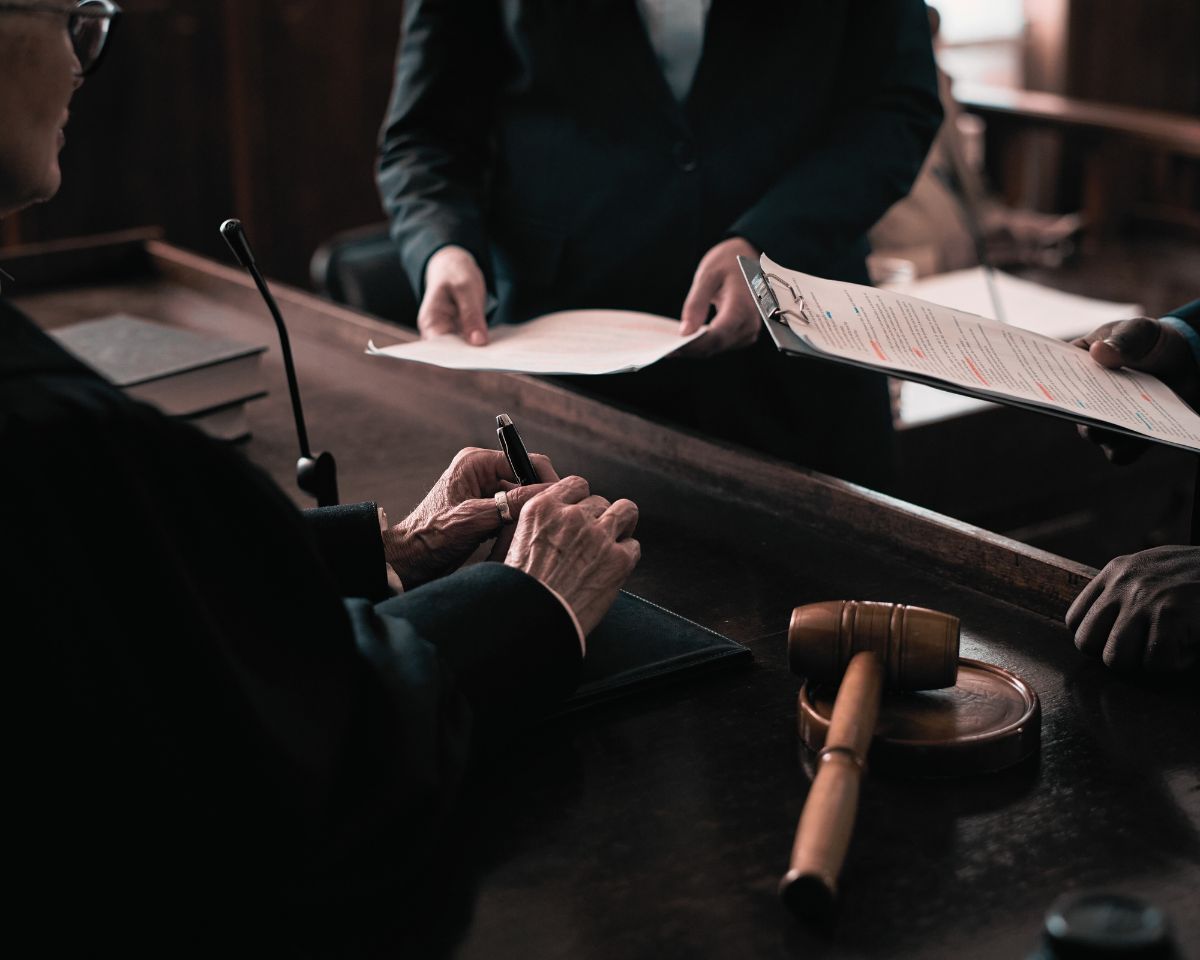
In a criminal trial, cross-examination is one of the most critical opportunities to protect the defendant’s rights and challenge the prosecution’s case. It’s often where a case is either solidified or unraveled. In California, where legal procedures are meticulously followed, cross-examination plays a pivotal role in shaping the trial’s outcome.
For a defendant facing criminal charges, a strong and strategic cross-examination can expose weaknesses in the prosecution’s case, create reasonable doubt, and ultimately lead to a favorable verdict. But without proper execution, it can also inadvertently harm the defense. In this blog, we’ll explore how cross-examination functions from the defendant’s perspective, why it can make or break a case, and how it should be used strategically to protect a defendant’s interests.
What is Cross-Examination in Criminal Trials?
Cross-examination is the process where the defense has the opportunity to question the prosecution’s witnesses. After the prosecution calls its witnesses and presents its case, the defendant’s attorney can cross-examine these witnesses in an attempt to weaken their testimony or point out contradictions.
Cross-examination is different from direct examination, which is the initial questioning of a witness by the side that calls them to testify. During cross-examination, the defendant’s lawyer typically uses leading questions, meaning questions that suggest the answer, to highlight inconsistencies, biases, or flaws in the prosecution’s case.
In criminal trials, this phase is crucial because it gives the defense a chance to directly challenge the prosecution’s narrative and to shape how the judge or jury views the credibility of the testimony being presented.
Why Cross-Examination Matters for the Defendant
Creating Reasonable Doubt
The core principle in criminal defense is that the prosecution must prove the defendant’s guilt beyond a reasonable doubt. Cross-examination is a powerful tool in raising that doubt. Through a strategic cross-examination, the defense attorney can expose contradictions, bias, or weaknesses in the prosecution’s case, making it difficult for the jury to confidently conclude that the defendant is guilty.
The defendant does not need to prove innocence—rather, they only need to show that there’s enough doubt to prevent a conviction. Cross-examination helps achieve this by:
-
Highlighting Inconsistencies: If a prosecution witness’s testimony contradicts their prior statements, cross-examination can reveal these discrepancies and suggest to the jury that the witness is unreliable or not credible.
-
Challenging Credibility: By questioning the witness’s motives, biases, or past conduct, the defense can demonstrate that the prosecution’s witness may have an incentive to lie or distort the truth.
-
Undermining the Prosecution’s Theory of the Case: The defense can use cross-examination to show that the prosecution’s theory doesn’t hold up under scrutiny. By raising doubts about the reliability of the evidence or the truthfulness of the witnesses, the defense can weaken the prosecution’s argument.
Discrediting Key Witnesses
The prosecution may present witnesses who claim to have seen the defendant commit a crime or who offer expert testimony linking the defendant to criminal activity. These witnesses are critical to the prosecution’s case. However, if their testimony is flawed or biased, effective cross-examination can dismantle their credibility, severely damaging the prosecution’s case.
Key witnesses to target in cross-examination might include:
-
Eyewitnesses: Eyewitness testimony is often compelling but can be unreliable. Cross-examination can reveal issues like poor visibility, mistaken identity, or distractions at the time of the event. The defense attorney may ask questions that highlight the witness’s uncertainty or lack of clarity.
-
Law Enforcement Officers: In many criminal cases, police officers are key witnesses. Cross-examining officers can reveal flaws in their investigation, such as failure to follow protocol, improper handling of evidence, or personal bias that could have influenced their perception of the case.
-
Experts: In complex criminal cases, experts (forensic, psychological, or ballistics experts, for instance) are often brought in to testify. Cross-examination allows the defense to challenge the methodology, qualifications, and conclusions of the expert, potentially discrediting their testimony.
Exposing the Prosecution’s Inconsistencies
Prosecution witnesses often present the same narrative, but that doesn’t mean it’s infallible. Cross-examination is a tool for exposing inconsistencies in their stories. Whether it’s a witness who gives conflicting accounts of events or an expert whose findings don’t line up with the evidence, exposing these inconsistencies can cast doubt on the overall reliability of the prosecution’s case.
For example:
-
Contradictions in Statements: If a witness testified differently in pre-trial interviews or depositions than they do on the stand, cross-examination can highlight these contradictions. The defense may ask questions that force the witness to explain why their story has changed.
-
Bias or Motive: If a witness has a personal relationship with the defendant, or any reason to be biased, cross-examination can highlight these connections. For instance, a witness who is a victim of the crime may have strong emotions that color their testimony, or a police officer may have a history of misconduct or bias that should be questioned.
Challenging Physical and Forensic Evidence
In many criminal cases, physical and forensic evidence plays a significant role. Cross-examination gives the defense the chance to challenge this evidence and question its reliability. For instance, in drug-related or violent crime cases, forensic testimony might involve DNA or ballistics analysis. In such instances, the defense attorney can cross-examine forensic experts to:
-
Highlight Errors in Testing: DNA or other forensic tests may be faulty or improperly conducted. Cross-examination can focus on whether the proper procedures were followed, whether contamination occurred, or whether the evidence was properly handled.
-
Question the Expert’s Credentials: Forensic experts may have qualifications that the jury isn’t aware of. Cross-examination can highlight any potential weaknesses in the expert’s background or experience, undermining the weight of their testimony.
Legal Guidelines for Cross-Examination in California
The Right to Confrontation
The Sixth Amendment of the U.S. Constitution guarantees the right of the defendant to confront and cross-examine the prosecution’s witnesses. In California, this right is reinforced by state law, particularly under Evidence Code Sections 780 and 785, which allow the defense to impeach a witness’s credibility, motive, and testimony.
The Rules of Evidence During Cross-Examination
While cross-examination is a critical tool for the defense, it’s subject to legal rules:
-
Leading Questions: Leading questions (questions that suggest their own answer) are allowed during cross-examination, but they are not permitted during direct examination.
-
Impeachment: The defense can challenge the witness’s credibility by showing bias, lack of knowledge, or previous contradictory statements. However, the rules governing impeachment are strict, so careful planning is necessary.
-
Objections: The prosecution may object to certain lines of questioning, such as leading questions or irrelevant matters. The judge will rule on these objections, and the defense must adjust accordingly.
How Cross-Examination Can Make or Break the Defendant’s Case
Cross-examination is a delicate balancing act. If it’s done effectively, it can highlight inconsistencies, create doubt, and undermine the prosecution’s case. But if it’s done poorly, it can backfire and reinforce the prosecution’s arguments. It’s essential for the defense to approach cross-examination strategically.
The Importance of Preparation
An effective cross-examination begins long before the trial. The defense must meticulously prepare by:
-
Reviewing all testimony and evidence: Every deposition, witness statement, and piece of evidence must be reviewed thoroughly to identify inconsistencies or weaknesses.
-
Researching witnesses: The defense must learn as much as possible about the prosecution’s witnesses, including their background, prior statements, and any potential biases.
Managing Witnesses During Cross-Examination
It’s vital to stay in control of the cross-examination. The defense attorney should aim to ask clear, concise questions and avoid allowing the witness to offer unsolicited or damaging information. By staying on topic and managing the witness effectively, the defense can avoid opening doors for harmful testimony.
Conclusion
Cross-examination is a powerful tool for criminal defense, and when used effectively, it can be the key to securing a favorable outcome. In California, where the legal system places a high emphasis on the credibility of witnesses and the accuracy of evidence, a well-executed cross-examination can expose weaknesses, raise reasonable doubt, and ultimately lead to an acquittal.
The defense attorney’s role during cross-examination is to be prepared, strategic, and focused. By carefully questioning witnesses, challenging inconsistencies, and discrediting the prosecution’s case, the defense can give the defendant the best possible chance for a fair trial and a just result.
If you are facing criminal charges and need an experienced legal team to navigate the complexities of cross-examination, Southwest Legal is here to help. With a proven track record of success in criminal cases, we understand how critical cross-examination is to achieving the best possible outcome. Contact us today for a consultation and let us guide you through every step of your defense.