


If you were arrested or convicted of a DUI in California, one of the first questions you may have is:
“Do I still need to install an ignition interlock device if I don’t own a car?”
This is a very common concern. Many people facing DUI charges do not currently own a vehicle, have sold their car after the arrest, or rely on rideshare services, public transportation, or family members for transportation.
The answer is not always simple because California DUI laws focus primarily on your driving privilege, not vehicle ownership. However, whether an ignition interlock device is required depends on your specific DUI case, court order, and DMV license restrictions.
What Is an Ignition Interlock Device?
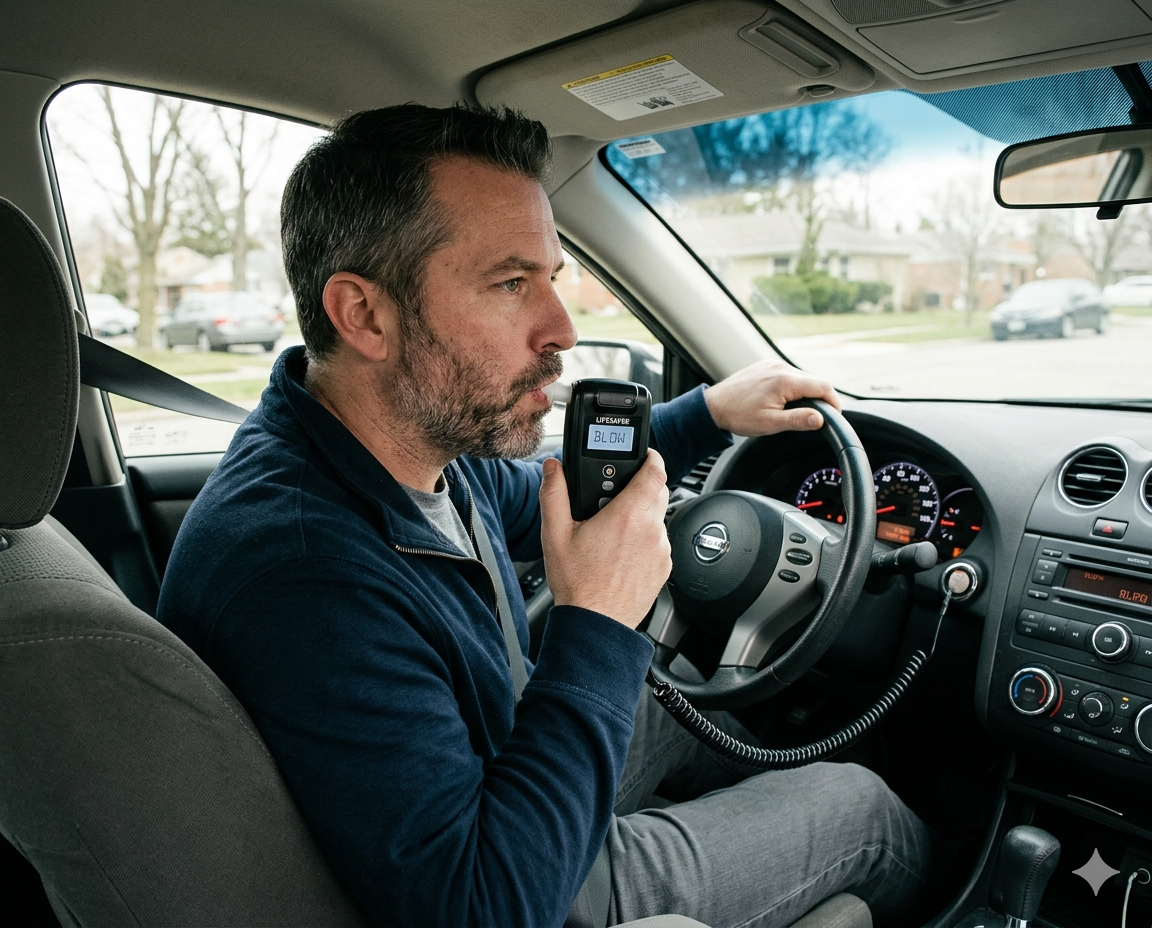
An ignition interlock device is a breath-testing unit installed in a vehicle. Before the engine can start, the driver must provide a breath sample. If alcohol is detected above the preset limit, the vehicle will not start.
The device may also require additional random breath tests while driving to ensure continued sobriety.
In California, the Ignition Interlock Device (IID) is used as part of DUI enforcement and may be required to allow limited driving privileges after a DUI conviction.
Do You Need an IID If You Don’t Own a Car in California?
In California, IID requirements are generally tied to your driver’s license status and driving privileges, not simply whether you own a vehicle.
However, not owning a car does not automatically eliminate IID obligations.
Whether you must install an IID depends on:
- Your DUI conviction level
- Whether the court or DMV imposed an IID requirement
- Whether you are applying for a restricted or reinstated license
- Whether you are actually operating a vehicle
If you are not driving at all and are not seeking driving privileges, the IID requirement may not be practically applicable. However, this is determined on a case-by-case basis by the DMV or court order—not automatically based on vehicle ownership.
When Is an Ignition Interlock Device Required?
You may be required to install an IID if you:
- Were convicted of a DUI offense
- Are applying for a restricted or reinstated driver’s license
- Have multiple DUI convictions
- Were ordered by the court or DMV as part of sentencing or license reinstatement
- Are participating in a DUI program that includes IID conditions
In most cases, IID requirements are connected to restoring your legal ability to drive.
What If You Do Not Own or Have Access to a Vehicle?
Not owning a vehicle does not automatically remove DUI-related obligations.
In some situations, if you are not driving any vehicle and are not seeking restricted driving privileges, the IID requirement may not be enforced in a practical sense.
However, this is not a guaranteed exemption. The DMV and court system determine IID obligations based on:
- Your license status
- Your DUI conditions
- Whether you intend to operate a vehicle
There is no automatic waiver based solely on lack of vehicle ownership.
Important: No Car Does NOT Remove DUI Consequences
Even if you do not own or operate a vehicle, you may still be responsible for other DUI-related penalties, including:
- Driver’s license suspension or revocation
- Mandatory DUI education programs
- Court fines and fees
- SR-22 insurance requirements if you return to driving
The IID requirement is only one part of the broader DUI penalty system.
What Happens If You Drive Someone Else’s Car?
This is a critical point many people misunderstand.
If your license requires IID compliance or restricted driving conditions:
- The requirement applies to any vehicle you operate, not just your own
- Borrowing or renting a vehicle does not bypass IID obligations
- Driving a non-compliant vehicle may result in additional penalties or violations
California law focuses on the driver’s licensing conditions—not vehicle ownership.
Can You Get a Restricted License Without a Car?
In some cases, a restricted license may still be possible even if you do not own a vehicle.
However, whether an IID is required depends on:
- The terms of your DUI conviction
- DMV license restrictions
- Whether you will operate any vehicle at all
If IID is required under your license conditions, it must generally be installed before driving any vehicle that falls under your restricted privileges.
Common Misunderstandings About IID Requirements
Many DUI defendants incorrectly assume:
“No car means no IID requirement”
Not necessarily true. Requirements depend on DMV or court orders, not ownership.
“I can borrow a car and avoid the IID”
Incorrect. IID restrictions apply to the driver, not the vehicle owner.
“IID only applies to my own vehicle”
False. It applies to any vehicle operated under a restricted license.
“I can ignore IID rules if I’m not currently driving”
Even if not driving, your license status and future driving privileges may still be affected.
Why This Matters for Your DUI Case
Misunderstanding ignition interlock requirements can lead to:
- Delays in license reinstatement
- Extended suspension periods
- Unexpected violations or penalties
- Complications when attempting to legally drive again
Even if you do not own a vehicle, your DUI case must still be handled carefully to avoid long-term consequences.
Final Thoughts
If you do not own a car in California, you may or may not be required to install an ignition interlock device—but it is not automatic either way.
The requirement depends on:
- Your DUI conviction
- DMV or court-imposed restrictions
- Whether you are seeking driving privileges
- Whether you actually operate a vehicle
Because these rules are highly case-specific, it is important to confirm your exact legal obligations before making assumptions.
Contact Southwest Legal
If you are facing a DUI in Southern California and are unsure whether you are required to install an Ignition Interlock Device (IID), it is important to get clear legal guidance based on your specific case.
At Southwest Legal, our DUI defense team helps clients understand California DUI laws and DMV requirements, including ignition interlock obligations, license restrictions, and reinstatement procedures. Every DUI case is different, and the requirements imposed by the court or DMV can vary significantly.
Getting the right legal advice early can help prevent unnecessary penalties and delays. Contact us today for a free consultation with a DUI defense attorney and get clear answers about your ignition interlock requirements and DUI case in Southern California.
Disclaimer: This article is for general informational purposes only and does not constitute legal advice or create an attorney-client relationship. No attorney-client relationship is formed unless and until the firm and client enter into an agreement for legal services. Laws may change, and legal outcomes depend on the specific facts of each case. Consult a qualified attorney for advice regarding your situation.