


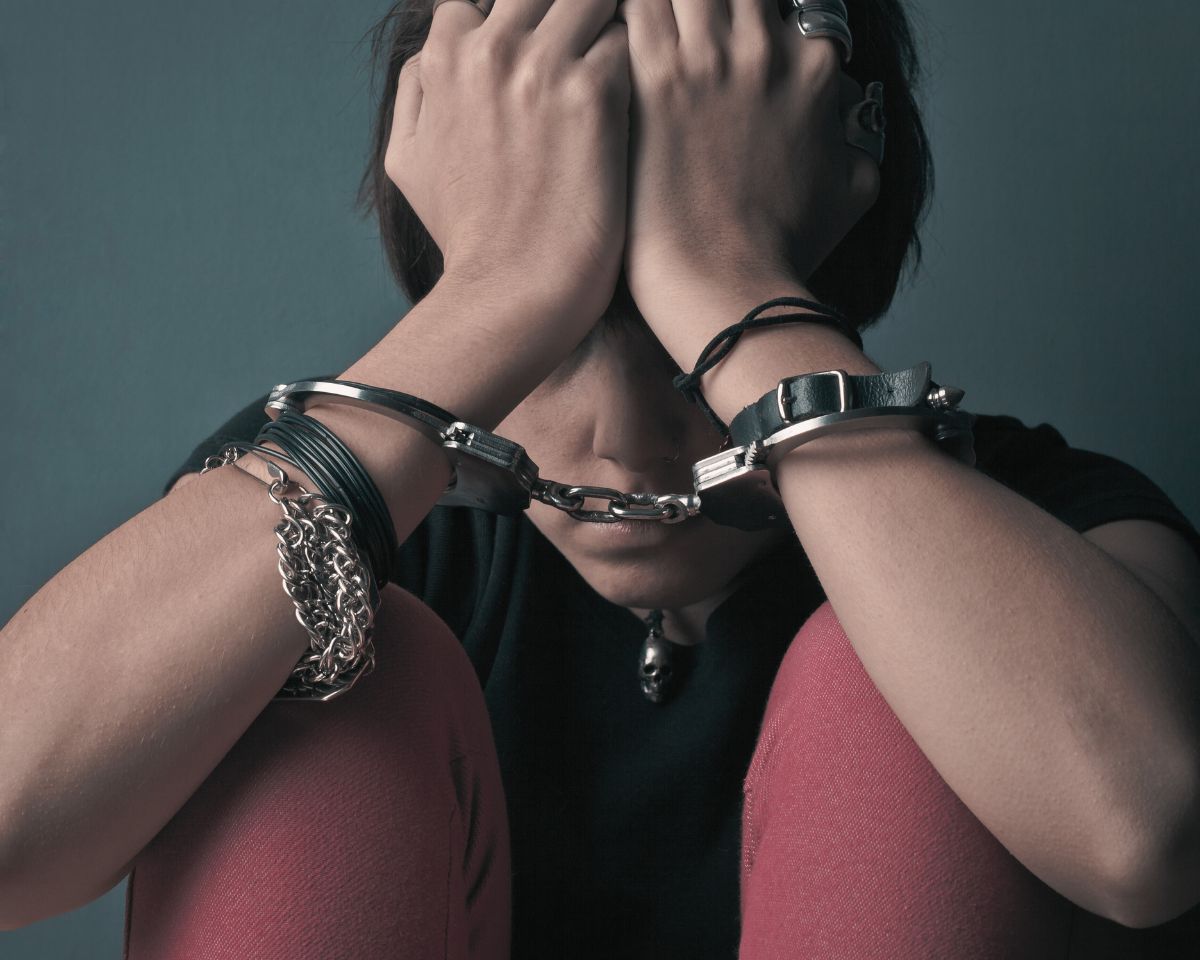
When a minor in California is accused of a crime, it can be a frightening and confusing experience—not just for the youth involved, but also for their entire family. The juvenile justice system operates differently from the adult criminal system, with its own processes, terminology, and goals. Unlike adult court, which focuses on punishment, juvenile court emphasizes rehabilitation, supervision, and providing young offenders with a second chance. However, this does not mean that juvenile charges are without consequences. Understanding how the system works, what legal rights your child has, and how you can support them throughout the process is essential. As a parent or guardian, being informed and involved is one of the most powerful ways you can help protect your child’s future.
Who Is Covered by Juvenile Law in California?
In California, the juvenile justice system typically handles cases involving individuals under the age of 18. However, some exceptions apply:
-
Children under 12 generally cannot be prosecuted in juvenile court for most offenses, with a few serious crime exceptions.
-
Youths aged 16 and 17 may face the possibility of being tried in adult court if charged with violent or serious crimes and a judge approves the transfer.
Types of Juvenile Petitions / Charges
Juvenile cases are initiated through petitions, which are similar to charges in adult court:
-
602 Petition (Delinquency) – Filed when a minor is accused of conduct that would be considered a crime if committed by an adult.
-
601 Petition (Status Offenses) – Involves non-criminal behavior such as truancy or disobedience to parents.
-
Transfer Petition – Requests the court to move the case to adult court for prosecution, generally reserved for serious felonies and older juveniles.
The Juvenile Court Process: Step by Step
Juvenile court proceedings involve several distinct stages:
-
Arrest or Citation – A minor may be taken into custody or cited for an offense. The decision to detain the child depends on factors such as seriousness of the alleged crime, flight risk, and safety concerns.
-
Detention Hearing – Held shortly after the arrest if the minor is detained. The judge decides whether the youth should remain in custody pending the outcome of the case.
-
Jurisdictional Hearing – Similar to a trial. The judge hears evidence and determines if the petition’s allegations are true. There is no jury in juvenile court.
-
Disposition Hearing – If the petition is found true, this is where the court decides on appropriate consequences or rehabilitative actions.
-
Review Hearings – Follow-up hearings to monitor compliance with court orders and assess the need for changes in supervision or placement.
Rights of Minors and Parents in Juvenile Cases
Rights of the Minor
-
Right to remain silent
-
Right to an attorney (appointed if the family cannot afford one)
-
Right to confront and question witnesses
-
Right to a fair hearing before a judge
-
Right to appeal court decisions
-
Right to privacy – juvenile hearings are typically closed to the public
Rights and Roles of Parents
-
Must be notified of the arrest and charges
-
Can attend court hearings and speak on behalf of their child
-
May be responsible for restitution or supervision-related costs
-
Can help the child comply with court orders
-
Should work closely with the child’s attorney but understand that the attorney’s primary duty is to the minor
Possible Outcomes and Dispositions
Juvenile court focuses on rehabilitation rather than punishment. Potential outcomes include:
-
Informal Probation or Diversion – For minor offenses, the court may allow the case to be dismissed upon completion of certain conditions.
-
Formal Probation – Includes supervision by a probation officer, mandatory counseling, school attendance, or community service.
-
Home Supervision or Electronic Monitoring – Allows the minor to remain at home with conditions.
-
Placement in a Foster Home or Group Home – Used when home environment is deemed unsuitable.
-
Commitment to a Juvenile Facility – Reserved for more serious or repeat offenses, often includes education and counseling.
Record Confidentiality and Sealing
Juvenile records in California are typically confidential, meaning they are not accessible to the general public. However, these records can still affect future opportunities unless formally sealed.
A juvenile may be eligible to have their records sealed after completing the terms of probation, demonstrating rehabilitation, and remaining crime-free for a period. Once sealed, the record is treated as if it never existed.
Tips for Parents Navigating the Juvenile Justice System
-
Hire a Defense Attorney Immediately – Time is critical; experienced legal representation can make a significant difference.
-
Attend All Court Hearings – Your involvement shows support and seriousness.
-
Follow All Court Orders – Help your child comply with probation terms, attend counseling, and stay in school.
-
Support Rehabilitation Efforts – Encourage your child to participate in counseling, mentoring, and educational programs.
-
Keep Documentation – Track all court dates, communications with probation officers, and proof of compliance.
-
Be Patient but Proactive – The system can be slow and confusing. Stay engaged and ask questions.
-
Seek Record Sealing Once Eligible – Don’t let a mistake from youth hold your child back later in life.
Frequently Asked Questions (FAQs)
Can a child under 12 be charged with a crime in California?
Generally, no. Only in rare cases involving extremely serious offenses.
Is a juvenile conviction the same as an adult conviction?
No. Juvenile adjudications are not considered criminal convictions, and records can often be sealed.
Can a juvenile be sent to jail?
Juveniles may be placed in detention or juvenile facilities, but the goal is rehabilitation, not incarceration.
Are juvenile records public?
No. They are confidential but may be accessed by certain agencies. They can often be sealed upon eligibility.
Can parents be punished for their child’s behavior?
While parents aren’t prosecuted for their child’s crimes, they may be held financially responsible for restitution or supervision costs.
Conclusion
Facing juvenile charges in California is one of the most serious and stressful situations a family can encounter. Although the legal system for minors is designed to focus on rehabilitation, the outcomes can still carry lasting consequences that impact a young person’s education, employment, and emotional well-being. That’s why it’s so important for parents to understand how the process works, know their child’s rights, and act quickly to ensure proper legal support is in place.
Whether your child is facing a minor misdemeanor or a more serious felony accusation, experienced legal guidance is crucial. Don’t wait until it’s too late. Reach out to professionals who understand how the California juvenile justice system works and who can fight to protect your child’s rights every step of the way.
Contact Southwest Legal today for a confidential consultation. Our experienced criminal defense attorneys are here to help your family navigate the legal system, minimize consequences, and protect your child’s future. You don’t have to face this alone—we’re here to stand by your side.