Being caught with drugs as a minor in California can be stressful and confusing. Many parents and teens wonder: What happens if a minor is caught with drugs? Understanding California’s juvenile drug possession laws, the court process, potential penalties, and rehabilitation options is critical. This guide provides comprehensive information for families navigating these situations.
What Counts as Juvenile Drug Possession in California
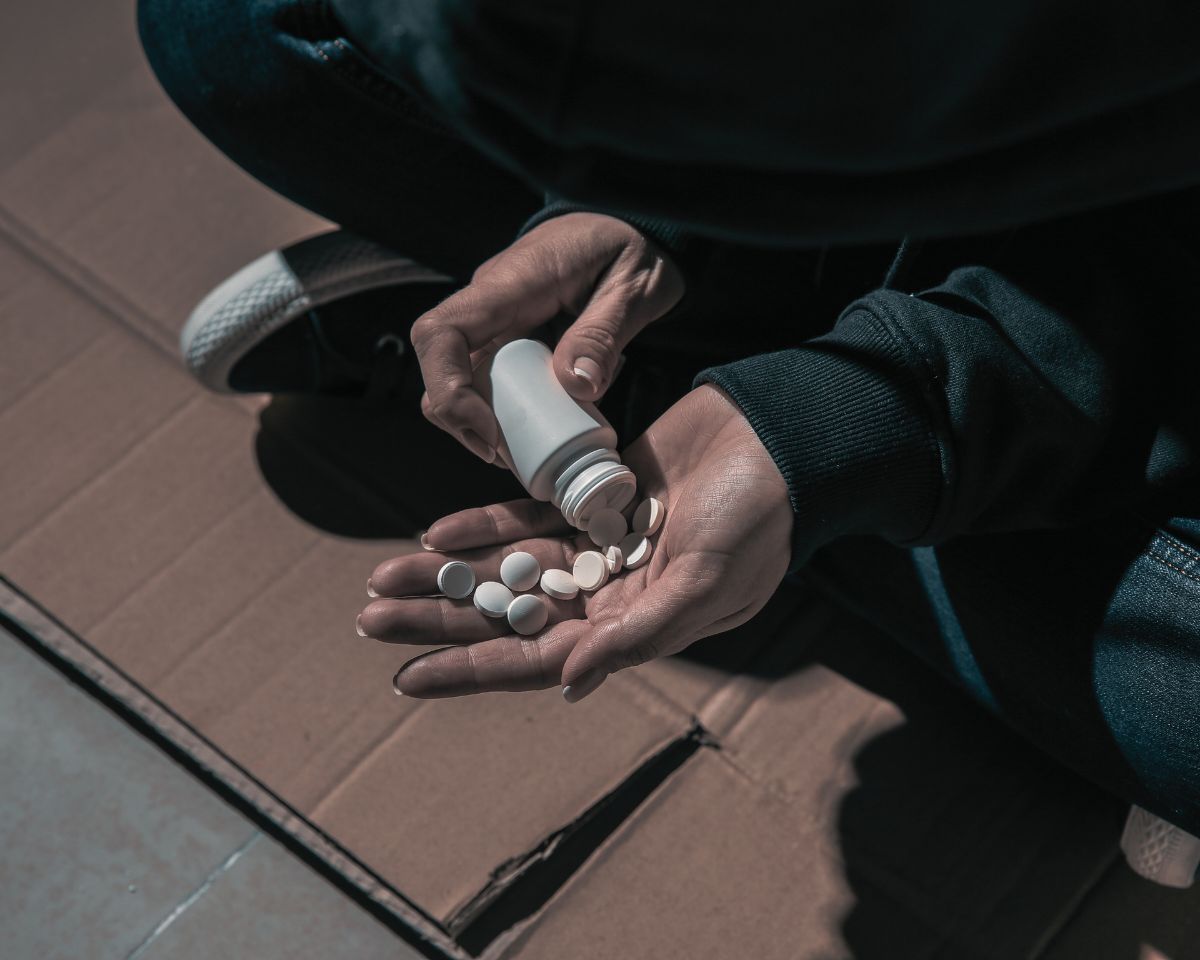
In California, drug possession laws apply to minors as well as adults. A minor can face legal action for possessing illegal drugs, controlled substances, or prescription medications without authorization. Simple possession refers to having drugs for personal use, while possession for sale or distribution is considered a more serious offense.
Key factors that affect the severity of the case include:
-
The type of drug (marijuana, meth, cocaine, prescription drugs, etc.)
-
The amount of the drug
-
Whether the drugs were found near a school or youth center
-
Evidence suggesting intent to sell or distribute
Even small amounts of drugs can lead to juvenile court proceedings, but the outcome will often depend on these factors.
How California Juvenile Courts Handle Drug Possession
Juvenile drug possession cases in California are typically handled in juvenile court, not adult criminal court. The primary focus of the juvenile justice system is rehabilitation rather than punishment. This means that a minor’s first-time or low-level drug offense is often addressed through:
-
Diversion programs
-
Counseling and education programs
-
Probation with structured conditions
The juvenile court system aims to help minors correct their behavior and avoid future involvement with drugs or criminal activity.
Potential Outcomes for Minors Caught With Drugs
The outcomes of juvenile drug possession cases can vary based on the circumstances of the offense and the minor’s history. Possible outcomes include:
-
Informal dispositions such as warnings, counseling, or educational programs
-
Probation, which may require school attendance, curfews, random drug testing, or participation in rehabilitation programs
-
Deferred judgment, allowing the minor to complete certain requirements before a formal decision is made
-
Placement in a juvenile camp, group home, or foster care for more serious or repeat offenses
-
Short-term juvenile detention in cases of repeated violations or more severe offenses
Because the juvenile system emphasizes rehabilitation, many minors avoid harsh penalties when they comply with court orders and participate in counseling or treatment.
More Serious Juvenile Drug Charges
If a minor is involved in selling, distributing, or trafficking drugs, the case becomes more serious. Factors that can elevate the offense include:
-
Possession of large quantities of drugs
-
Evidence of sales or distribution
-
Drugs found near schools, parks, or other youth-centered areas
-
Distribution to other minors
In these cases, a juvenile may face felony charges. Serious cases may even be transferred to adult court, where penalties include jail or prison time and permanent criminal records.
Rehabilitation Programs for Juveniles
Many minors caught with drugs are offered rehabilitation programs instead of detention. Programs can include:
-
Substance abuse counseling and therapy
-
Drug education programs
-
Community service
-
Support and mentorship programs
Successful completion of these programs often allows minors to avoid a formal delinquency record and return to school and community life.
Long-Term Consequences of Juvenile Drug Possession
Even when a minor avoids detention, drug possession can have lasting effects. Some long-term consequences may include:
-
School disciplinary actions such as suspension or expulsion
-
Challenges in college admissions or scholarship applications
-
Limitations on certain job opportunities
-
Restrictions on professional licensing in the future
Serious offenses, or cases moved to adult court, can also result in fines, imprisonment, and permanent criminal records that affect housing, employment, and other aspects of life.
Factors That Affect the Outcome
Several factors influence how a juvenile drug possession case is resolved, including:
-
The type and amount of drug involved
-
The minor’s criminal history
-
Cooperation with the court and law enforcement
-
Participation in counseling or rehabilitation programs
-
Location and circumstances of the offense
Courts weigh these factors to determine whether rehabilitation, probation, or more severe penalties are appropriate.
Steps Parents and Guardians Should Take
If a minor is caught with drugs, parents and guardians should act quickly:
-
Contact an experienced criminal defense attorney immediately
-
Ensure the minor complies with all court orders, including drug testing and counseling
-
Encourage participation in treatment or education programs
-
Avoid any further legal violations during probation or court supervision
Prompt and proactive action can help secure the best possible outcome for a minor facing juvenile drug charges.
Why Rehabilitation Matters in Juvenile Cases
California’s juvenile justice system emphasizes rehabilitation over punishment. Courts aim to guide minors toward positive behavior and help them overcome challenges with substance use. Programs that offer education, counseling, and mentorship are often more effective at preventing future offenses than incarceration.
Adult Court Considerations
In serious cases, particularly for older minors or repeated offenses, juvenile cases may be transferred to adult court. This drastically increases the potential consequences, including jail or prison, fines, and a permanent criminal record. Working with a qualified criminal defense attorney is essential to prevent adult charges whenever possible.
Conclusion
Juvenile drug possession in Southern California is a serious matter, but the system recognizes that minors can benefit from rehabilitation rather than harsh punishment. First-time or nonviolent offenders often have opportunities for diversion, counseling, or probation, while serious offenses carry increased risks, including detention or adult charges.
If your child has been caught with drugs, contact Southwest Legal today. Our experienced team can provide expert guidance, advocate for your child in juvenile court, and work to secure the best possible outcome. Don’t wait — get the help your family needs now.