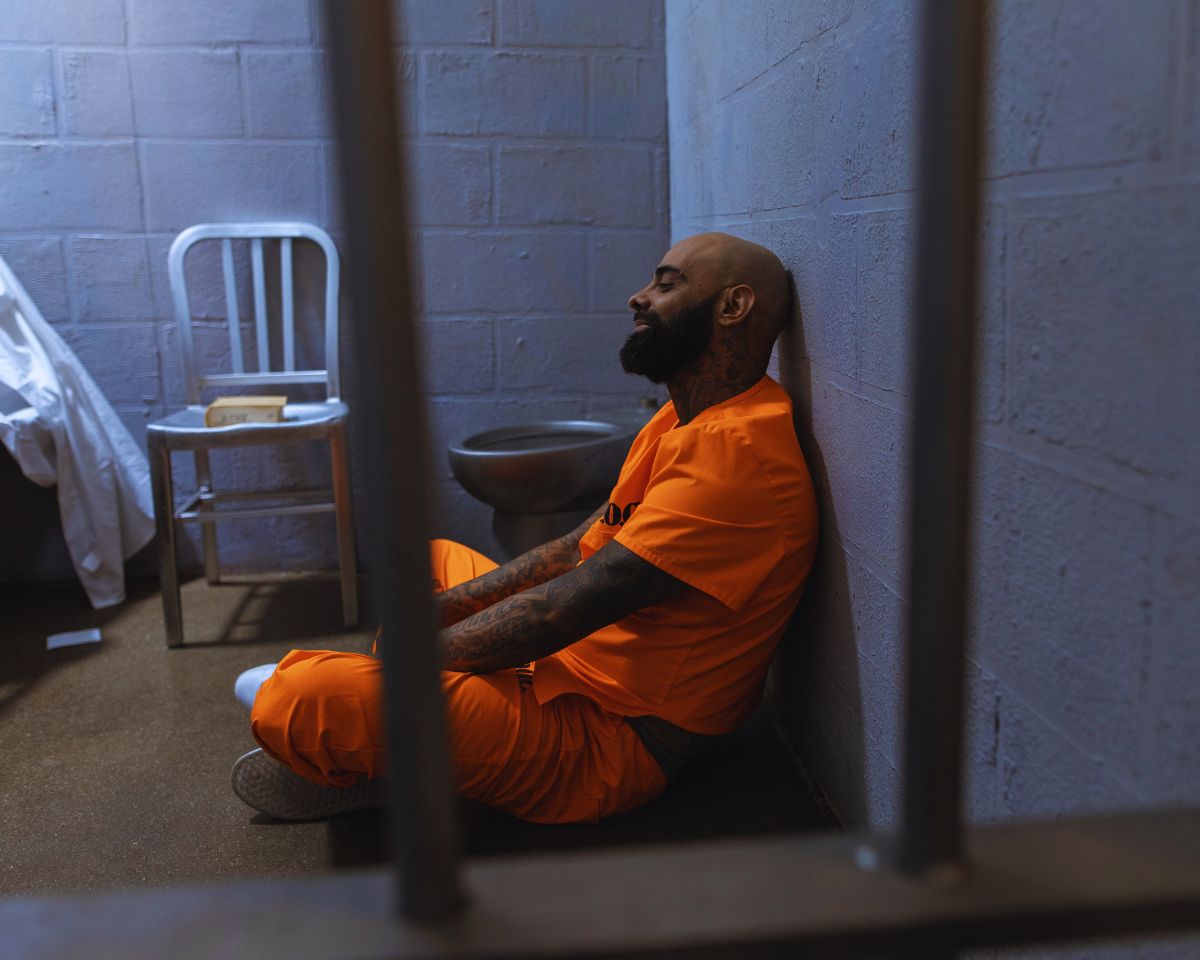
Life Without Parole, or LWOP, is one of the most serious criminal sentences available in California. While often seen as an alternative to the death penalty, LWOP comes with its own controversies, including permanent incarceration, limited opportunities for appeal, and questions about fairness, especially in cases involving youth or people of color. This blog explores what LWOP means in California, how it works, who receives it, and what reforms are under discussion.
What Is Life Without Parole?
Life Without Parole means exactly what it sounds like: a person sentenced to LWOP will spend the rest of their life in prison with no chance of parole. Unlike those serving “25 to life” or similar sentences, Life without parole (LWOP) inmates are not eligible for parole hearings, regardless of good behavior or rehabilitation. The only potential way out is through a rare process like a commutation from the governor.
LWOP is often described as a form of “death by incarceration” because it allows no meaningful hope of release. Once sentenced, the person can expect to live and die in prison unless an extraordinary legal action changes their situation.
Crimes That Can Lead to LWOP Sentencing
In California, LWOP is most commonly given for first-degree murder with special circumstances. These circumstances may include things like multiple victims, murder for financial gain, killing a law enforcement officer, hate crimes, or murders committed during certain felonies such as robbery or rape.
Additionally, people can receive Life without parole (LWOP) even if they did not physically commit the murder themselves. Under California’s felony murder rule, anyone involved in a serious felony during which someone is killed may be held equally responsible, even if they weren’t the one who directly caused the death.
How California Adopted LWOP
California introduced Life without parole (LWOP) in the 1970s during a shift toward harsher sentencing laws. Originally seen as a more humane alternative to the death penalty, LWOP quickly became a commonly used punishment. As sentencing enhancements and “tough-on-crime” policies expanded, the number of people receiving LWOP increased, often including those who did not actually kill anyone or who were very young at the time of the crime.
How Many People Are Serving LWOP?
California has one of the highest numbers of LWOP sentences in the country. Thousands of individuals, including many young adults and some who were juveniles at the time of the crime, are currently serving LWOP.
A significant portion of these individuals are Black or Latino, highlighting concerns about racial bias in the justice system. Many of them were first-time offenders and were sentenced under laws that imposed mandatory LWOP without allowing the court to consider their age, background, or personal history.
LWOP and Youth Offenders
California law has changed in recent years to reflect the understanding that young people are different from adults in terms of brain development and decision-making. Because of this, the state has passed laws that limit LWOP for individuals who were under 18 at the time of the offense.
Recent legislation now also offers some hope for those who committed crimes before the age of 26. These individuals may be eligible for a parole hearing after 25 years in prison, though this doesn’t guarantee release. The hearing simply gives them a chance to show they’ve changed.
Is There Any Chance of Release?
Generally, Life without parole (LWOP) means the person will never be released. However, there are very limited options. One is commutation, where the governor reduces the sentence to something that includes the possibility of parole. This process is extremely rare and usually only granted in special cases where the individual has demonstrated significant rehabilitation or where new evidence casts doubt on the original sentence.
Another route is through new legislation. As laws change, some people may become eligible for resentencing or parole review. For example, recent laws have created opportunities for those sentenced as young adults to request a parole hearing after serving 25 years.
Concerns and Criticism of LWOP
Critics argue that LWOP is a harsh and irreversible punishment that removes any chance for redemption. Many believe that people can change, especially those sentenced at a young age. Keeping someone in prison for life with no hope of release, even after decades of rehabilitation, is increasingly seen as inhumane.
There are also concerns about fairness. Studies have shown that LWOP disproportionately affects people of color and those from lower-income backgrounds. The use of broad laws like the felony murder rule can also sweep in people who played only minor roles in a crime.
Another issue is the financial burden. Housing aging inmates who are serving LWOP is expensive, especially since they will require medical care over time. Some argue that these funds could be better spent on education, prevention, and rehabilitation programs.
Life After LWOP – When Commutation Happens
Though rare, there are people who have had their LWOP sentences reduced through commutation and later released on parole. Many of them have gone on to live productive lives, working in reentry programs, mentoring at-risk youth, or advocating for justice reform.
These stories highlight that people can change, especially after decades of reflection, personal growth, and effort toward rehabilitation. They also raise important questions about whether the justice system should allow for second chances in more cases.
Reform Movements and Legislative Changes
Several advocacy groups and lawmakers are pushing to limit or even eliminate the use of LWOP in California. These efforts focus on providing more opportunities for parole, especially for people sentenced as young adults or under the felony murder rule.
New laws have been introduced to allow individuals to seek a parole hearing after serving long terms, provided they meet certain criteria. These measures aim to balance accountability with the belief that people can grow and make amends.
Final Thoughts
Life Without Parole sentencing in California is one of the harshest punishments available. It removes all hope of release and leaves little room for mercy, even for those who show significant personal change. While it was created as an alternative to the death penalty, LWOP has become a widely used sentence with deep legal and social implications.
As society’s understanding of justice evolves, so too do the laws governing who deserves a second chance. Whether through commutation, parole reforms, or changing public attitudes, the future of LWOP in California remains an important and ongoing conversation.