


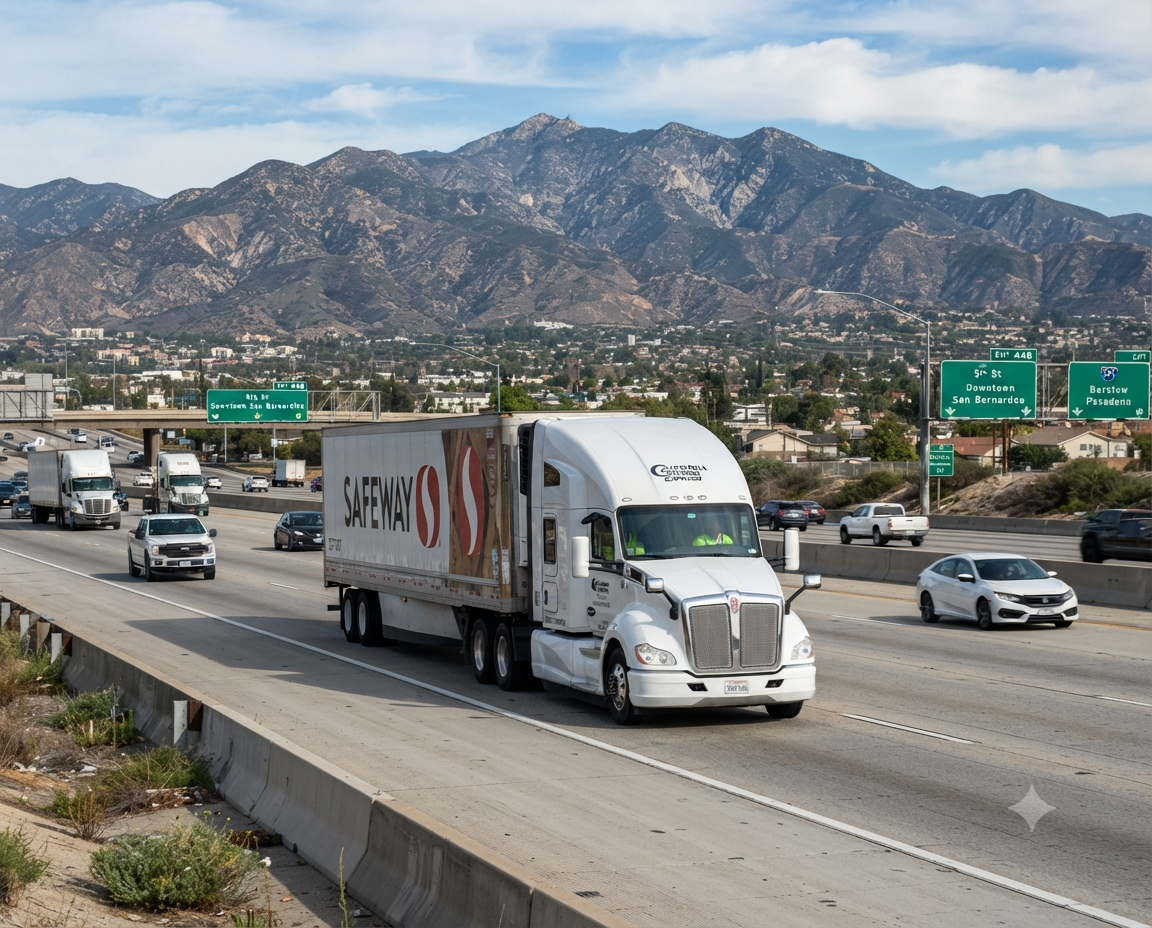
Commercial trucking in California is highly regulated to protect drivers, transportation companies, and the public. One of the most important compliance responsibilities for commercial drivers is maintaining accurate records of driving time, rest periods, and work activities.
These records are commonly called logbooks, driver logs, or Hours of Service (HOS) records. Today, many commercial vehicles use Electronic Logging Devices (ELDs) instead of traditional paper logs to record driving activity.
A logbook violation in California occurs when a commercial driver or motor carrier fails to properly record required information, exceeds permitted driving limits, provides inaccurate records, or fails to comply with applicable transportation regulations.
Logbook violations can lead to citations, fines, compliance problems, negative safety ratings, and potential impacts on a commercial driver’s career. Understanding these violations and knowing how they are handled can help drivers and trucking companies avoid serious consequences.
What Is a Truck Driver Logbook?
A truck driver logbook is an official record of a commercial driver’s daily activities. It shows how much time a driver spends:
- Driving a commercial vehicle
- Performing work-related duties
- Taking required rest periods
- Remaining off duty
- Using a sleeper berth, when applicable
The purpose of a logbook is to ensure that drivers are not operating large commercial vehicles while dangerously fatigued.
Because truck drivers often travel long distances and work under strict delivery schedules, accurate recordkeeping helps prevent unsafe driving practices and allows enforcement agencies to verify compliance.
What Are Logbook Violations in California?
A logbook violation happens when a driver’s records do not accurately reflect their actual activities or fail to meet transportation safety requirements.
In California, commercial drivers may be subject to both federal regulations from the Federal Motor Carrier Safety Administration (FMCSA) and California transportation enforcement requirements depending on the type of vehicle, operation, and route.
Common logbook violations include:
- Driving beyond allowed Hours of Service limits
- Failing to record required rest breaks
- Falsifying driver logs
- Incorrectly using an Electronic Logging Device (ELD)
- Failing to maintain required records
- Recording inaccurate duty status information
- Allowing another person to use a driver’s ELD account
- Failing to correct errors in electronic records
Even a mistake that seems minor can create problems during a commercial vehicle inspection.
Why Are Logbook Rules Important in California?
California has some of the busiest transportation corridors in the country, with thousands of commercial trucks moving freight every day. Because of the size and weight of commercial vehicles, driver fatigue can create serious safety risks.
Logbook regulations are designed to:
- Reduce fatigue-related truck accidents
- Ensure drivers receive adequate rest
- Prevent unsafe scheduling practices
- Create accountability for drivers and employers
- Help inspectors verify compliance
For example, if a driver continues operating a tractor-trailer after being awake and working for an extended period, fatigue may slow reaction time and increase the risk of a collision.
Accurate logs help demonstrate that a driver and company are following safety requirements.
Common Types of Logbook Violations in California
1. Hours of Service Violations
Hours of Service violations occur when drivers exceed legal limits on driving or working time.
- Driving longer than permitted without required rest
- Exceeding weekly work-hour limits
- Failing to take required breaks
- Starting a new trip without enough available driving hours
Example:
A truck driver receives a last-minute delivery request and continues driving several additional hours to meet a deadline. The driver records fewer hours than actually worked to avoid showing a violation.
This situation may result in an Hours of Service violation and inaccurate recordkeeping concerns.
2. Falsifying a Logbook
A falsified logbook occurs when a driver intentionally records information that does not match actual activities.
- Recording off-duty time while loading freight
- Changing driving times to appear compliant
- Claiming a break occurred when it did not
- Altering electronic records improperly
Example:
A driver arrives at a warehouse and spends two hours unloading cargo. Instead of recording that time as work activity, the driver marks the time as off duty to avoid exceeding limits.
Because the log does not match what actually happened, it may be considered inaccurate.
3. Electronic Logging Device (ELD) Violations
Most commercial drivers subject to federal logging requirements must use approved ELD systems to track driving activity.
ELD violations may occur when a driver:
- Fails to use an approved device
- Does not review daily records
- Does not fix incorrect entries
- Uses another driver’s account
- Fails to properly transfer records during an inspection
Example:
A driver operates multiple trucks during the week but fails to properly connect the ELD system to the correct vehicle. The electronic records may become inaccurate and create compliance issues.
4. Missing or Incorrect Break Records
Commercial drivers must accurately document required breaks and rest periods.
A violation may occur when:
- A required break is skipped
- The break occurs but is not recorded
- The driver enters incorrect duty status information
Accurate documentation is important because inspectors often compare electronic records with other information, including fuel receipts, delivery records, and vehicle data.
5. Incomplete Paper Logs
Although ELDs are common, paper logs may still be used in certain circumstances.
Common paper log mistakes include:
- Missing dates
- Incorrect vehicle information
- Missing signatures
- Incorrect time calculations
- Failure to record duty changes
A simple documentation mistake can result in a violation during an inspection.
How Does California Enforce Logbook Violations?
Commercial vehicle inspections in California are commonly conducted by enforcement agencies such as the California Highway Patrol (CHP).
During inspections, officers may review:
- Driver logs
- ELD information
- Supporting documents
- Shipping records
- Vehicle information
- Previous inspection history
Inspectors may compare logbook information against other evidence to determine whether records are accurate.
For example, if a driver’s log shows the vehicle was parked but fuel records show the truck traveled hundreds of miles during that time, investigators may question the accuracy of the records.
What Are the Penalties for Logbook Violations in California?
The consequences of a logbook violation depend on several factors, including:
- The seriousness of the violation
- Whether the violation was intentional
- The driver’s compliance history
- Whether the violation created a safety risk
Possible consequences may include:
Fines and Citations
Drivers and motor carriers may receive monetary penalties for violations.
Negative Impact on Safety Ratings
Violations can affect a carrier’s safety record and may increase regulatory scrutiny.
Out-of-Service Orders
Certain serious violations may result in a driver being prohibited from operating a commercial vehicle until the issue is corrected.
Employment Consequences
Commercial driving companies often review safety histories when hiring or retaining drivers. Repeated violations may affect employment opportunities.
Can a Logbook Violation Affect Your CDL?
Yes. Depending on the circumstances, serious or repeated violations may affect a commercial driver’s record and ability to maintain employment in the trucking industry.
Drivers should take logbook issues seriously because inaccurate records can create problems beyond the original citation.
How Do Inspectors Detect False Logbooks?
Inspectors may identify inconsistencies by comparing logbook information with:
- ELD records
- GPS data
- Fuel receipts
- Toll records
- Dispatch information
- Delivery paperwork
- Vehicle movement history
For example, if a driver reports being off duty but the truck’s GPS data shows movement during that time, the records may be questioned.
How Can Truck Drivers Avoid Logbook Violations?
Commercial drivers can reduce the risk of violations by following these practices:
Maintain Accurate Records
Drivers should record activities honestly and update information as required.
Review ELD Records Daily
Before certifying records, drivers should check for mistakes and make corrections properly.
Do Not Alter Records to Meet Deadlines
Drivers should never falsify records because of delivery pressure or employer expectations.
Keep Supporting Documents
Receipts, shipping documents, and other records can help explain activity during inspections.
Understand the Rules That Apply to Your Operation
Requirements may vary depending on:
- Vehicle type
- Cargo
- Route
- Interstate or intrastate operation
Frequently Asked Questions
What is the most common logbook violation?
One of the most common violations involves inaccurate Hours of Service records, including exceeding driving limits or failing to properly document duty status.
Can a truck driver get a ticket for a logbook violation in California?
Yes. Drivers may receive citations or penalties depending on the type and severity of the violation.
Can a trucking company be responsible for logbook violations?
Yes. Motor carriers may face consequences if they fail to properly supervise drivers, encourage unsafe practices, or ignore compliance issues.
Can you fight a logbook violation?
In some situations, drivers or companies may challenge violations by reviewing the evidence, inspection records, and circumstances surrounding the citation.
Are ELD mistakes considered logbook violations?
Yes. Since ELDs replace traditional paper logs for many drivers, errors involving electronic records can result in logbook-related violations.
Why Legal Help May Be Important for Logbook Violations
Logbook violations can involve complicated issues involving federal regulations, California enforcement practices, employer responsibilities, and driver rights.
A citation that appears simple may have long-term effects on a driver’s career, commercial license, or a company’s ability to operate.
Working with an experienced legal team can help drivers and transportation companies better understand their options and respond appropriately.
Contact Southwest Legal
If you are facing a logbook violation, Hours of Service citation, ELD issue, or another commercial transportation compliance matter in Southern California, Southwest Legal can help you understand your legal options.
Our team assists drivers, trucking professionals, and businesses dealing with transportation-related legal concerns. We can help review your situation, explain potential consequences, and provide guidance on the next steps. Do not ignore a logbook violation that could affect your driving record, CDL, or business operations.
Contact us today for a free consultation to discuss your California logbook violation case and learn how experienced legal guidance may help you address your situation.
Disclaimer: This article is for general informational purposes only and does not constitute legal advice or create an attorney-client relationship. No attorney-client relationship is formed unless and until the firm and client enter into an agreement for legal services. Laws may change, and legal outcomes depend on the specific facts of each case. Consult a qualified attorney for advice regarding your situation.