


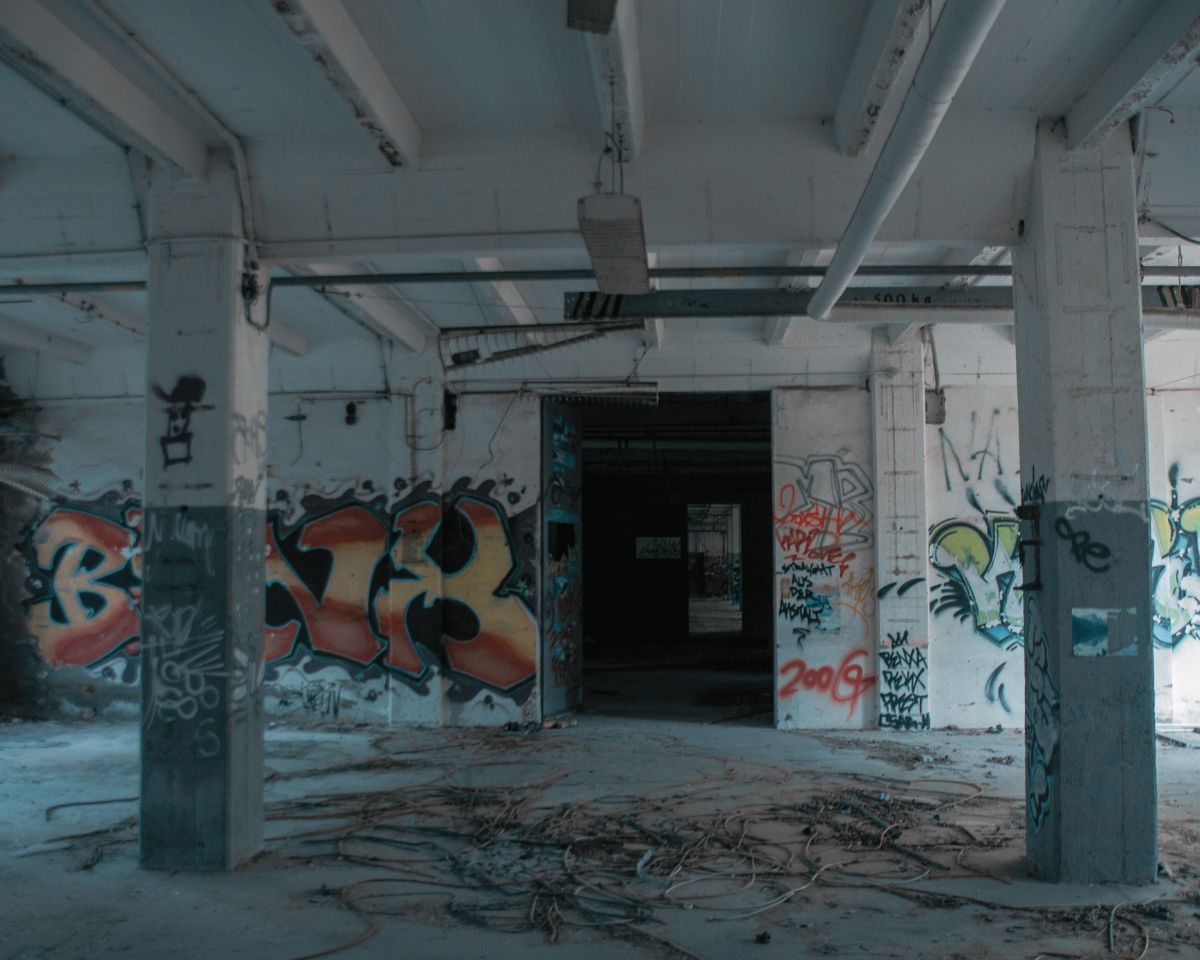
Malicious mischief, more commonly referred to as vandalism, is a criminal offense under California law that involves intentionally damaging, defacing, or destroying property that does not belong solely to you. While the term may sound minor, a malicious mischief charge can carry serious legal consequences, including jail time, heavy fines, restitution, and a permanent criminal record.
This comprehensive guide explains how malicious mischief is defined in California, how charges are classified, what penalties may apply, common examples, defenses, and what to do if you or someone you care about is facing these charges.
What Is Malicious Mischief Under California Law?
In California, malicious mischief is governed primarily by Penal Code Section 594, which criminalizes intentional acts that damage or deface property belonging to another person, a business, or a public entity.
A person commits malicious mischief when they maliciously do any of the following to property they do not own exclusively:
-
Deface the property with graffiti or markings
-
Damage the property
-
Destroy the property
The key factor is intent. The law targets deliberate acts, not accidents. If property damage occurs unintentionally, it may result in civil liability but typically does not qualify as malicious mischief.
What Does “Maliciously” Mean?
Under California law, acting “maliciously” does not require hatred or extreme intent. It simply means that the person acted:
-
Intentionally, or
-
With the intent to do something wrongful, or
-
With a conscious disregard for the property rights of others
This definition allows prosecutors to pursue charges even when the defendant claims they did not intend to break the law, as long as the act itself was intentional.
Elements Prosecutors Must Prove
To convict someone of malicious mischief, the prosecution must establish the following elements beyond a reasonable doubt:
-
The defendant intentionally defaced, damaged, or destroyed property
-
The property belonged to someone else or was jointly owned
-
The defendant acted maliciously
-
The defendant did not have permission to damage the property
If any of these elements cannot be proven, the charge may be reduced or dismissed.
Misdemeanor vs. Felony Malicious Mischief
California treats malicious mischief as either a misdemeanor or a “wobbler” offense, meaning it can be charged as a misdemeanor or felony depending on the circumstances.
Misdemeanor Malicious Mischief
Malicious mischief is typically charged as a misdemeanor when:
-
The total value of the damage is less than $400, and
-
The defendant has limited or no prior vandalism convictions
Possible penalties include:
-
Up to one year in county jail
-
Fines up to $1,000
-
Higher fines if the defendant has prior convictions
-
Restitution to the property owner
-
Community service or graffiti cleanup
Felony Malicious Mischief
When the damage equals or exceeds $400, prosecutors may choose to file the case as a felony, particularly if:
-
The damage is extensive
-
The act was repeated or planned
-
The defendant has a criminal history
Felony penalties may include:
-
State prison or county jail time
-
Fines up to $10,000
-
Significantly higher fines for large-scale damage
-
Formal probation
-
A felony criminal record
Felony convictions can have long-term consequences affecting employment, housing, professional licenses, firearm rights, and immigration status.
Graffiti and Malicious Mischief
Graffiti is one of the most common forms of malicious mischief in California. This includes spray paint, markers, etching, or any other unauthorized markings on property.
Courts often impose additional penalties for graffiti-related offenses, such as:
-
Mandatory cleanup or repair
-
Community service focused on graffiti removal
-
Restrictions on possessing spray paint or marking tools
Graffiti charges can apply even if the markings are temporary or artistic in nature if done without permission.
Malicious Mischief Involving Vehicles
California law also addresses malicious mischief involving vehicles. Acts such as:
-
Keying a car
-
Smashing windows
-
Slashing tires
-
Defacing a vehicle with paint or markings
can be prosecuted under general vandalism laws or specific vehicle-related statutes, depending on the circumstances.
Vehicle-related malicious mischief is often charged as a misdemeanor, but it can escalate if repair costs are high or if the act is connected to another crime.
Examples
Malicious mischief charges commonly arise from situations such as:
-
Keying or scratching someone’s car during a dispute
-
Breaking windows during an argument or protest
-
Spray-painting walls, fences, or sidewalks
-
Damaging business property after hours
-
Destroying signs, mailboxes, or public fixtures
Even actions taken during moments of anger or intoxication can result in criminal charges if the damage was intentional.
Civil Liability in Addition to Criminal Charges
In addition to criminal penalties, individuals accused of malicious mischief may also face civil lawsuits from property owners. Civil consequences can include:
-
Paying for full repair or replacement costs
-
Compensation for loss of use of the property
-
Additional damages in some cases
Criminal court restitution orders do not always prevent separate civil claims.
Legal Defenses to Malicious Mischief Charges
Several defenses may apply depending on the facts of the case:
Lack of Intent
If the damage was accidental, the element of malicious intent may be missing.
Permission
If the property owner consented to the act, it may not qualify as vandalism.
Mistaken Identity
The defendant may not be the person who caused the damage.
Ownership Dispute
If the defendant had a legitimate ownership interest in the property, charges may not apply.
Damage Amount Dispute
Challenging the repair cost can sometimes reduce a felony charge to a misdemeanor.
An experienced attorney can evaluate which defenses apply and work to minimize the legal impact.
Consequences Beyond Court
A malicious mischief conviction can affect more than just fines or jail time. Long-term consequences may include:
-
A permanent criminal record
-
Difficulty securing employment or housing
-
Problems with professional licensing
-
Immigration consequences for non-citizens
Even misdemeanor convictions can have lasting effects, making early legal guidance critical.
Why Legal Representation Matters
Malicious mischief cases often involve subjective judgments about intent, damage value, and circumstances. Prosecutors may aggressively pursue charges even for relatively minor incidents, especially when public property or repeat offenses are involved.
Having knowledgeable legal representation can make the difference between a dismissal, a reduced charge, or severe penalties.
Take the Next Step With Southwest Legal
If you or a loved one is facing a malicious mischief or vandalism charge in Southern California, do not wait. Early legal advice can protect your rights, limit exposure, and help you navigate the criminal justice system with confidence. Southwest Legal is committed to defending clients against property crime charges with strategic, personalized legal representation. Whether you are dealing with a misdemeanor or a felony accusation, their team can help you understand your options and fight for the best possible outcome. Contact us today for a free, confidential consultation and take control of your case before it controls you.