


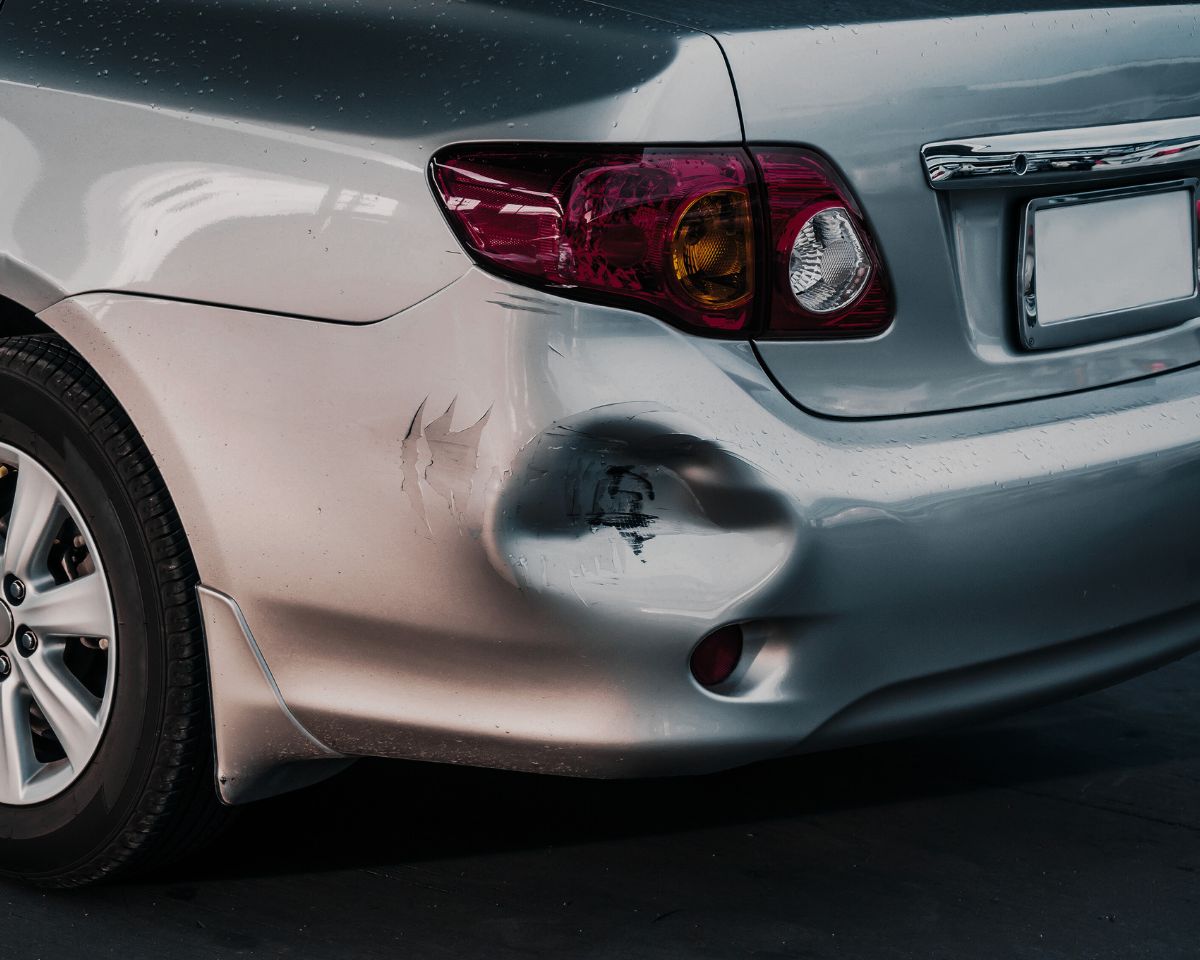
If you’ve been involved in a minor hit and run accident in California, you may be wondering: “Will the police even investigate this?” Understanding how law enforcement approaches these cases, what the law requires, and what your potential legal risks are is crucial. This guide provides a complete overview to help you navigate the situation and protect your rights.
What Qualifies as a Minor Hit-and-Run in California?
In California, a hit and run, legally called a “failure to stop and provide information or render aid” under California Vehicle Code Section 20002, occurs when a driver is involved in an accident causing property damage only and leaves the scene without identifying themselves.
Minor hit-and-run: Involves property damage only, such as bumping a parked car, a minor fender-bender at an intersection, or damaging a fence or mailbox.
Serious hit-and-run: Involves injury or death, which falls under California Vehicle Code Section 20001 and carries much heavier criminal penalties.
Even if the accident seems minor, failing to stop and provide information is a crime, and it can lead to misdemeanor charges.
Do Police Investigate Minor Hit and Run Accidents in California?
The short answer: Yes, but it depends on several factors.
1. Police Response is Often Prioritized by Severity
Law enforcement agencies typically prioritize accidents involving injuries or deaths. Minor property-damage-only incidents may not receive the same immediate attention. However, this does not mean they are ignored. Police may still investigate if:
The owner of the damaged property files a police report.
Surveillance footage or eyewitness accounts are available.
Insurance companies request an official report.
2. Filing a Police Report is Crucial
If you’re the victim of a minor hit and run, reporting the incident quickly increases the chances of identification and legal follow-up. California law requires the driver who caused the damage to provide information, so filing a report initiates a legal paper trail.
Even minor accidents can be investigated days or weeks later.
The longer you wait, the harder it is for police to track down the responsible driver.
3. Evidence Determines Investigation Priority
The likelihood of police pursuing a case often depends on available evidence:
Surveillance footage: Traffic cameras, store cameras, or nearby homes.
Eyewitness accounts: People who saw the accident occur.
Physical evidence: Paint transfer, debris, or vehicle parts left at the scene.
If strong evidence exists, even a minor hit-and-run can quickly become a police investigation.
Legal Consequences of a Minor Hit-and-Run in California
Even minor hit-and-runs are taken seriously under California law. Potential consequences include:
Misdemeanor Charges
Punishable by up to 6 months in county jail, fines up to $1,000, and driver’s license suspension.
California Vehicle Code Section 20002 outlines penalties for property-damage-only hit-and-runs.
Civil Liability
Victims can file a civil claim to recover damages to their vehicle or property.
Your insurance may increase or even drop coverage if you are found responsible.
Criminal Record
A conviction could remain on your record, potentially impacting employment opportunities, professional licenses, and insurance rates.
Why People Think Minor Hit and Runs Aren’t Investigated
Many people believe minor hit and runs go uninvestigated for a few reasons:
Police often prioritize injury or fatal accidents.
Victims sometimes do not report minor damage.
Lack of witnesses or evidence makes investigation difficult.
However, this assumption can be dangerous. Even minor accidents can be traced back to you, especially with modern technology like traffic cameras, dashcams, and smartphones.
Steps to Take if You’re Involved in a Minor Hit and Run
Whether you’re a victim or the driver, taking the right steps can protect you legally.
If You’re the Victim:
Call the police immediately and file a report.
Document the scene: Take photos of damage, note the location, time, and any potential witnesses.
Check for cameras: Nearby businesses or traffic cameras may have captured the incident.
Notify your insurance company promptly.
If You’re the Driver Who Hit the Vehicle:
Stop immediately at the scene. Leaving can lead to criminal charges.
Exchange information: Name, address, phone number, and insurance.
Render reasonable aid if anyone is injured.
Contact a criminal defense attorney before speaking to police if there’s any potential dispute or accusation.
How a Criminal Defense Attorney Can Help
Even if your hit and run was minor, the consequences can be serious. A criminal defense attorney experienced in California traffic and misdemeanor law can:
Evaluate the strength of evidence against you.
Negotiate with prosecutors to reduce or dismiss charges.
Advise on insurance claims and civil liability implications.
Protect your criminal record and driving privileges.
Having legal guidance early is crucial, especially since California takes any failure to stop and report seriously.
Key Takeaways
Minor hit-and-runs in California can still be investigated by police, particularly if evidence exists or a victim reports the incident.
Stopping and reporting the accident is your legal obligation and can prevent criminal charges.
Penalties can include jail time, fines, license suspension, and a criminal record.
Evidence and witness reports play a major role in whether police pursue the case.
Legal representation is essential for protecting your rights, even in seemingly minor cases.
Final Thoughts
Even a minor accident in California can carry serious consequences if you leave the scene. Police may investigate depending on evidence, reporting, and circumstances, and legal penalties can follow. Acting responsibly, documenting everything, and consulting an experienced criminal defense attorney can make a significant difference in the outcome.
If you’re facing charges or even worried about a minor hit and run, contact Southwest Legal today. Our experienced criminal defense attorneys in Southern California can guide you through the process, protect your rights, and help you achieve the best possible outcome. Don’t wait — the sooner you get legal help, the better your chances of protecting your future.