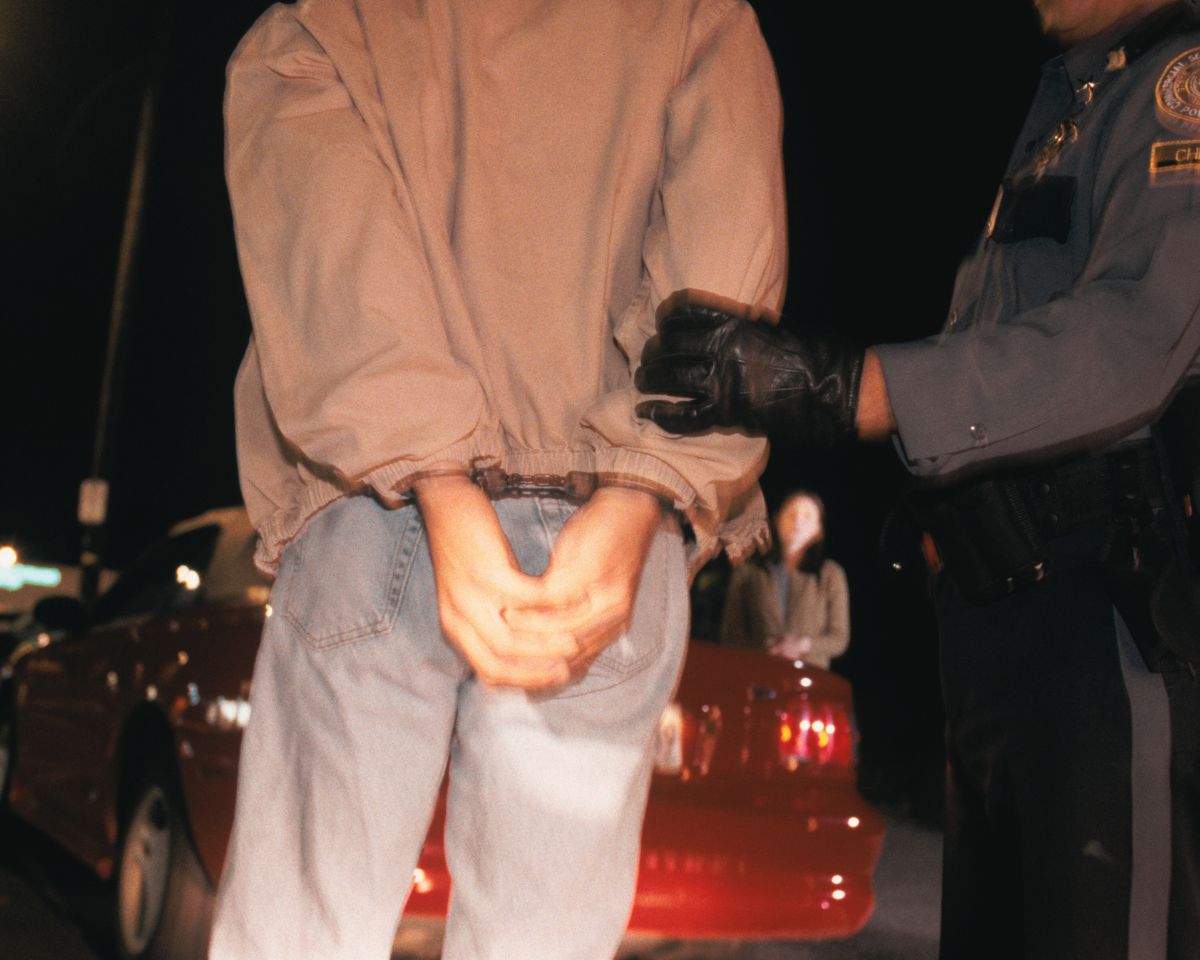
If you are stopped or arrested for driving under the influence (DUI), one of the most common questions people ask is: “Why didn’t the police read me my Miranda rights?” Many people believe that officers must always recite Miranda warnings during a DUI stop. In reality, that is not how the law works.
Understanding Miranda warnings — when they apply, when they do not, and how they affect DUI cases — can make a major difference in protecting your legal rights. This guide explains everything you need to know in clear, accurate, and easy-to-understand terms.
What Are Miranda Warnings?
Miranda warnings come from a U.S. Supreme Court decision that protects a person’s Fifth Amendment right against self-incrimination. The goal is to ensure that people understand their rights before being questioned while in police custody.
A standard Miranda warning informs a person that:
-
They have the right to remain silent
-
Anything they say may be used against them in court
-
They have the right to speak with an attorney
-
If they cannot afford an attorney, one will be provided
These rights are meant to prevent people from being pressured into making statements that could later be used against them.
When Are Police Required to Give Miranda Warnings?
Police are only required to read Miranda warnings when both of the following conditions are met:
-
Custody – The person is not free to leave
-
Interrogation – Police are asking questions designed to get incriminating answers
If either of these elements is missing, Miranda warnings are not legally required.
This is the key reason Miranda warnings are often not given during DUI traffic stops.
Are Miranda Warnings Required During a DUI Traffic Stop?
In most cases, no.
A DUI traffic stop is usually considered a temporary detention, not formal custody. Officers are allowed to ask investigative questions to determine whether a driver is impaired without first reading Miranda rights.
Common questions that usually do not require Miranda warnings include:
-
“Have you had anything to drink tonight?”
-
“Where are you coming from?”
-
“Do you know why I stopped you?”
-
“When was your last drink?”
Even though these questions can feel incriminating, courts generally view them as part of a roadside investigation rather than a custodial interrogation.
When Do Miranda Warnings Apply in DUI Cases?
Miranda warnings become important once a DUI investigation moves beyond a routine traffic stop.
1. After You Are Arrested
Once police place you under arrest and you are no longer free to leave, you are in custody. If officers want to ask questions that could produce incriminating answers, they must first advise you of your Miranda rights.
2. During Custodial Questioning
If police ask questions after arrest such as:
-
“How many drinks did you have?”
-
“Why did you decide to drive?”
-
“Did you know you were intoxicated?”
These questions are typically considered interrogation. Without Miranda warnings, your responses may be excluded from evidence.
What Police Must Tell You Under Miranda
When Miranda warnings are required, officers must clearly communicate the following rights:
-
Your right to remain silent
-
That your statements can be used against you in court
-
Your right to an attorney during questioning
-
Your right to a court-appointed attorney if you cannot afford one
Police do not have to use exact wording, but the message must reasonably convey these protections.
What Police Are NOT Required to Tell You in DUI Cases
This is where many people are surprised. Police are generally not required to explain the following during a DUI investigation:
❌ That You Can Refuse Field Sobriety Tests
Standard roadside sobriety tests are usually voluntary, but officers are not required to tell you that refusal is an option.
❌ That You Can Decline to Answer Questions
Police are not required to remind you of your right to remain silent unless Miranda applies.
❌ That Breath Tests May Be Optional Before Arrest
Handheld roadside breath tests are often optional, but officers are not always required to explain this distinction.
❌ That Refusal Has Consequences
Implied consent laws may impose penalties for refusing chemical tests after arrest, but police are only required to give warnings that are specifically mandated by state law.
Miranda Rights vs. Implied Consent Laws
These are two different legal concepts that are often confused.
Miranda Rights
-
Protect against self-incriminating statements
-
Apply during custodial interrogation
-
Affect what you say
Implied Consent Laws
-
Apply to breath, blood, or urine testing
-
Usually take effect after arrest
-
Affect your driver’s license and test refusal penalties
Miranda does not control whether police can request chemical tests. It only governs questioning.
What Happens If Police Violate Miranda in a DUI Case?
If police fail to read Miranda warnings when required:
-
Statements you made during custodial interrogation may be excluded from evidence
-
The DUI charge itself is not automatically dismissed
-
Physical evidence (breath tests, blood tests, officer observations, video footage) can still be used
Miranda violations impact statements, not the entire case.
Common DUI Miranda Misconceptions
“If I wasn’t read my rights, my case is thrown out.”
False. Only statements may be suppressed, not the entire prosecution.
“Police must read Miranda rights before any DUI questioning.”
False. Miranda only applies during custodial interrogation.
“Breath tests require Miranda warnings.”
False. Chemical testing is governed by implied consent laws, not Miranda.
How to Protect Yourself During a DUI Stop
While every situation is different, general best practices include:
-
Be polite and cooperative with basic identification requests
-
Avoid volunteering unnecessary information
-
Understand that you are not required to answer investigative questions
-
If arrested, clearly state that you wish to speak with an attorney
-
Do not argue roadside — legal challenges happen in court
Most importantly, speak with a qualified DUI attorney as soon as possible.
Why Legal Guidance Matters in DUI Cases
DUI cases are highly technical. Small details — including whether Miranda warnings were required or properly given — can significantly affect the outcome of a case. An experienced DUI defense attorney can analyze police conduct, challenge improper questioning, and protect your constitutional rights.
Call to Action: Get Help from Southwest Legal
If you or someone you care about is facing a DUI charge, you do not have to navigate the legal system alone. Understanding your rights is only the first step — enforcing them requires experienced legal advocacy.
Southwest Legal is committed to protecting clients’ rights and providing clear, strategic guidance in DUI cases. Our DUI defense team can review your arrest, evaluate whether your rights were violated, and help you pursue the best possible outcome. Contact us today to schedule a confidential consultation and take control of your defense.