


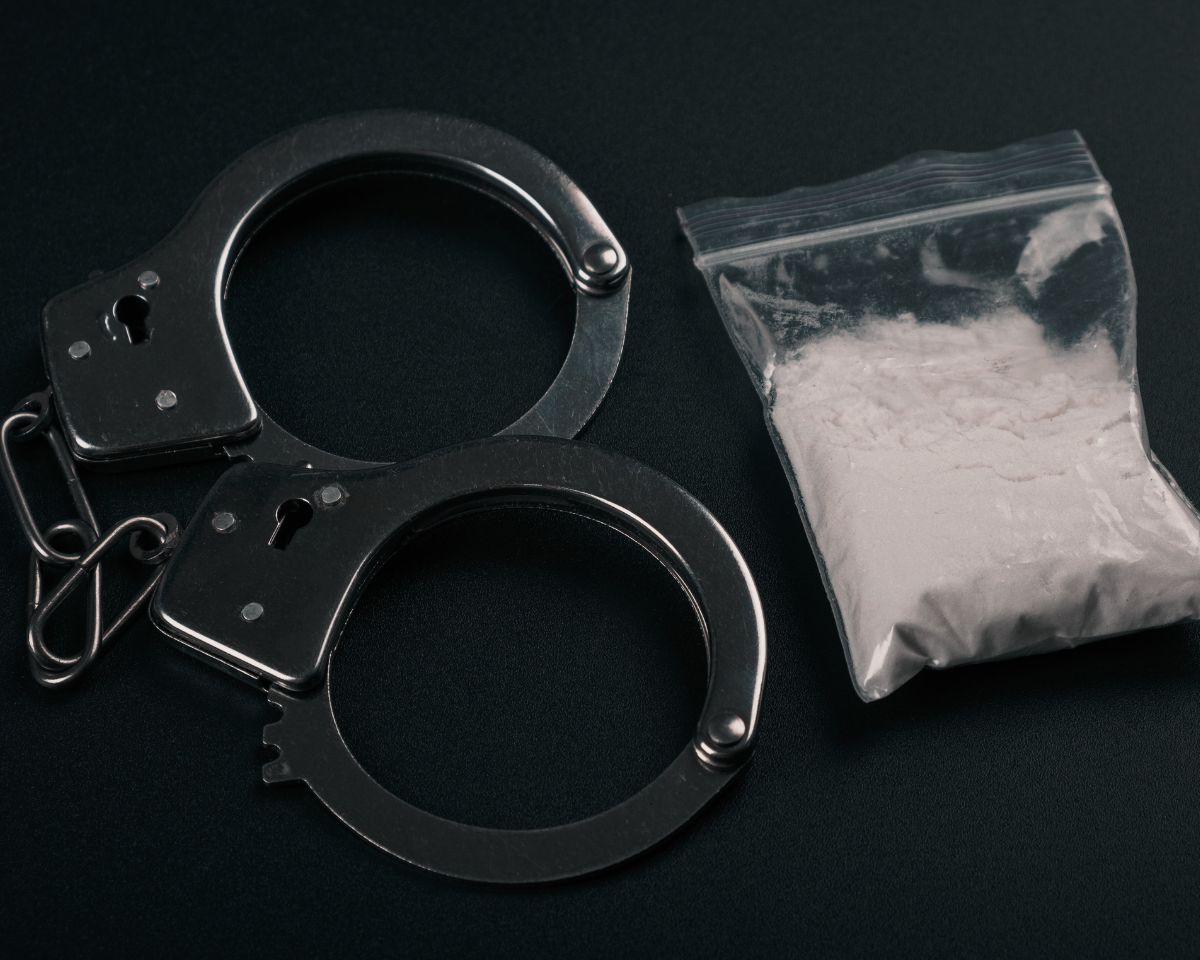
Narcotics charges are among the most serious criminal offenses in California. They can result in steep fines, lengthy jail sentences, and long-term consequences that affect your freedom, employment opportunities, and reputation. If you or someone you know is facing narcotics charges, understanding the law is the first step toward protecting your rights.
This comprehensive guide explains what narcotics charges are, how California law defines and punishes them, the types of charges you may face, common defenses, and what to expect in the criminal justice process.
What Are Narcotics Charges?
“Narcotics charges” refer to criminal offenses involving controlled substances—both illegal drugs and certain prescription medications when used or distributed unlawfully.
In California, narcotics laws are primarily governed by:
-
The California Health and Safety Code
-
Sections of the California Penal Code
Narcotics offenses may include:
-
Possession
-
Possession with intent to sell
-
Transportation
-
Sale or distribution
-
Manufacturing
-
Trafficking
Some cases also involve related offenses such as conspiracy, maintaining a place for drug use or sales, and money laundering.
California Drug Schedules
California classifies controlled substances into schedules based on their potential for abuse and accepted medical use:
-
Schedule I: High potential for abuse, no accepted medical use (e.g., heroin, LSD, methamphetamine)
-
Schedule II: Medical use allowed, high abuse potential (e.g., fentanyl, oxycodone, cocaine)
-
Schedules III–V: Lower potential for abuse (e.g., certain prescription medications)
The type and schedule of the drug involved often determine the severity of a narcotics charge.
Common Types of Narcotics Charges in California
1. Simple Possession
Simple possession refers to having a controlled substance for personal use.
-
Under Proposition 47, many simple possession cases are now misdemeanors instead of felonies.
-
Certain substances, such as fentanyl or methamphetamine, may still carry harsher penalties.
Penalties:
-
Up to 1 year in county jail
-
Fines
-
Probation
Possession of large amounts or possession near schools can increase penalties.
2. Possession with Intent to Sell / Distribution
Possession with intent to sell means you have drugs and intend to distribute them. Proof of actual sales is not required; intent can be inferred from evidence such as:
-
Large quantities of drugs
-
Scales, baggies, or packaging materials
-
Large sums of cash
Penalties:
-
Felony charges
-
Multiple years in state prison
-
Significant fines
3. Transportation and Sales
Selling drugs or transporting them with intent to sell is a felony. Penalties depend on:
-
Type and quantity of drugs
-
Involvement of minors
-
Proximity to schools or parks
-
Use of firearms or violence
Prison sentences can range from a few years to decades.
4. Manufacturing / Cultivation
Manufacturing includes producing illegal drugs or cultivating controlled substances. Examples include:
-
Operating a meth lab
-
Growing marijuana illegally
-
Producing synthetic drugs
These charges often carry long prison terms and asset forfeiture.
5. Federal Narcotics Charges
If drugs cross state lines, involve international transport, or occur on federal property, federal charges may apply. Federal cases usually have stricter penalties and mandatory minimum sentences.
Misdemeanor vs. Felony Narcotics Charges
Since Proposition 47, simple possession for personal use is typically a misdemeanor. However, the following are almost always felonies:
-
Possession for sale
-
Manufacturing
-
Trafficking
-
Sale near schools
Repeat offenders or cases with large amounts of drugs are more likely to face felony charges.
Penalties for Narcotics Crimes
Misdemeanors
-
Up to 1 year in county jail
-
Probation
-
Fines
Felonies
-
16 months to 25 years or more in state prison
-
Heavy fines
-
Loss of civil rights during incarceration
Federal Penalties
-
Mandatory minimum prison sentences
-
Heavy fines
Collateral Consequences
Even after serving a sentence, narcotics convictions can impact:
-
Employment opportunities
-
Professional licenses
-
Immigration status
-
Housing applications
-
Firearm ownership rights
California Drug Courts and Diversion Programs
Alternative programs are available for eligible offenders:
Drug Courts
-
Intensive supervision
-
Drug treatment programs
-
Regular testing
-
Possible reduced sentences
Diversion Programs
-
Deferred entry into treatment
-
Charges may be dismissed upon successful completion
These programs focus on rehabilitation rather than punishment.
Common Defenses to Narcotics Charges
Legal defenses may include:
-
Illegal Search and Seizure: Evidence obtained without a warrant or probable cause may be excluded.
-
Lack of Possession: You must knowingly have drugs; mere presence may not be enough.
-
Entrapment: Law enforcement induced you to commit a crime you would not have otherwise committed.
-
Chain of Custody Issues: Evidence tampering may weaken the case.
-
Medical Necessity: Rare, but sometimes applies if drugs were used for emergency medical purposes.
What to Do If Arrested
-
Remain silent and request an attorney immediately.
-
Do not consent to searches.
-
Document everything you remember.
-
Contact an experienced criminal defense attorney as soon as possible.
Even if you believe you are guilty, a legal defense can reduce charges or secure alternative sentencing options.
Marijuana vs. Other Narcotics in California
Recreational marijuana is legal for adults 21+ under Prop 64, but:
-
Selling without a license is illegal
-
Large-scale cultivation may be unlawful
-
Transporting marijuana across state lines remains illegal
Other narcotics, such as heroin, methamphetamine, and fentanyl, remain illegal under all circumstances.
How a Criminal Defense Attorney Helps
Facing narcotics charges can feel overwhelming, but an experienced criminal defense attorney can be your strongest ally. Here’s how they make a real difference:
1. Negotiate Reduced Charges
An attorney can carefully review your case and negotiate with prosecutors to lower the severity of charges. What could initially be a felony might be reduced to a misdemeanor, potentially saving years of prison time.
2. Challenge Unlawful Searches
Evidence obtained without a warrant, probable cause, or proper procedure may be thrown out. Attorneys know the laws surrounding searches and seizures and can fight to exclude improperly obtained evidence.
3. Guide Eligibility for Diversion Programs
California offers programs like drug courts and diversion programs for first-time or low-level offenders. Attorneys determine eligibility and help you enroll in programs that focus on treatment rather than punishment.
4. Advocate for Treatment Instead of Jail
Many narcotics offenses are linked to addiction. Attorneys can present evidence of your commitment to rehabilitation and request treatment-focused sentencing, helping you regain control of your life while reducing jail time.
5. Protect Immigration Status
Narcotics convictions can have serious consequences for non-citizens, including deportation. Experienced attorneys navigate cases to minimize immigration risks.
6. Fight for Favorable Plea Bargains
If trial isn’t the best option, attorneys negotiate plea deals that minimize penalties while protecting your rights, such as reduced sentencing or probation.
7. Provide Guidance and Peace of Mind
Beyond legal strategy, attorneys guide you through each step of the legal process, answer questions, and help you make informed decisions about your future.
Frequently Asked Questions (FAQs)
Q: What’s the difference between possession and possession for sale?
A: Possession is for personal use; possession for sale implies intent to distribute.
Q: Can I go to jail for drugs in my car?
A: Yes, especially if intent to sell is suspected.
Q: Is drug paraphernalia illegal?
A: Yes. Possession of paraphernalia associated with illegal drugs can be charged under California law.
Q: Will a conviction go on my record?
A: Yes, unless charges are expunged or reduced through legal proceedings.
Conclusion
Narcotics charges in California carry serious legal consequences. Understanding the law, potential penalties, and available defenses is crucial. While low-level offenses may qualify for diversion or treatment programs, serious cases involving trafficking or manufacturing face harsh penalties. Immediate legal representation can make a significant difference in outcomes.
If you or a loved one is facing narcotics charges anywhere in Southern California, contact Southwest Legal today. Our experienced criminal defense attorneys provide personalized legal guidance, fight for your rights, and explore every available option to achieve the best possible outcome. Don’t wait — get the legal support you need now.