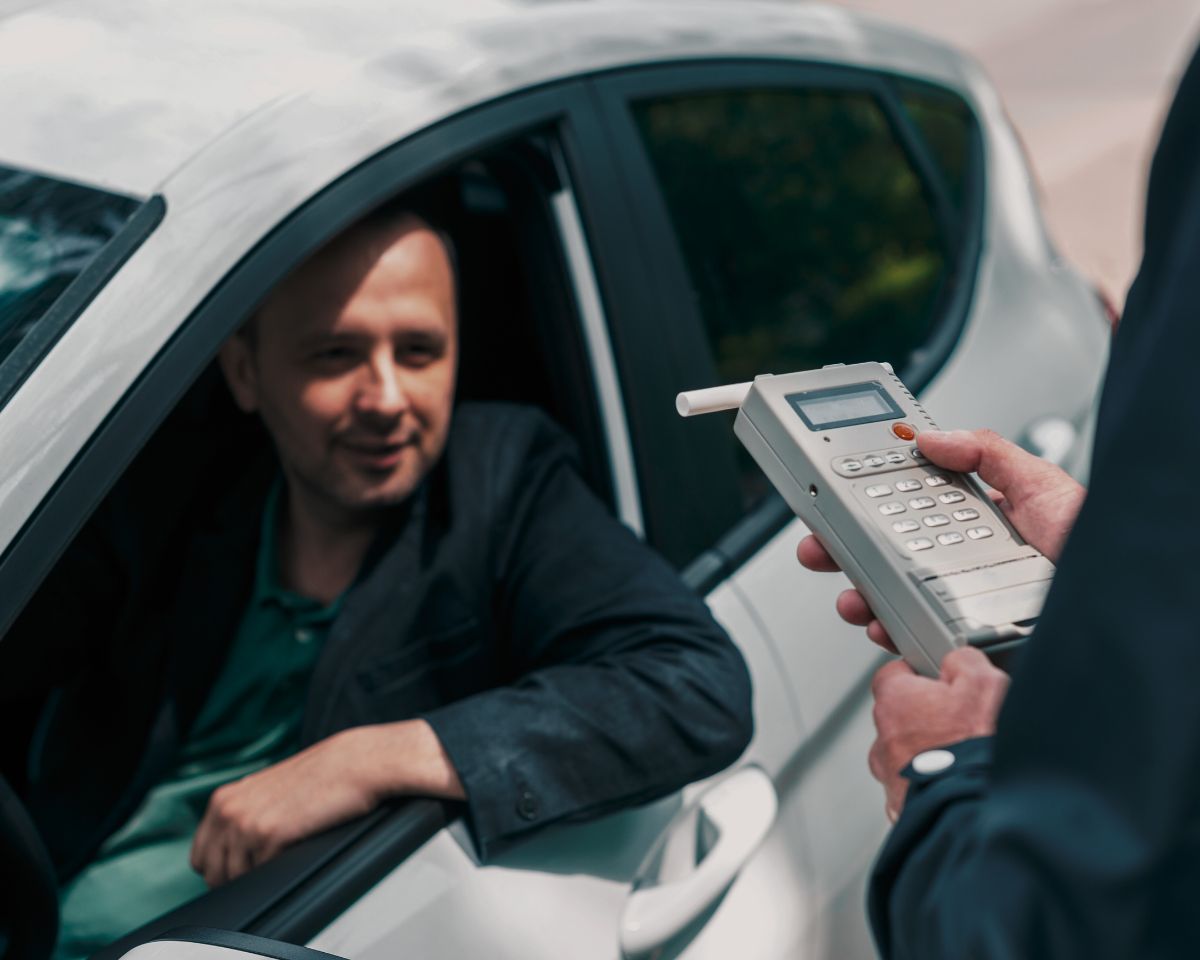
Understanding California’s DUI (Driving Under the Influence) laws can be confusing, especially when it comes to alcohol testing. One roadside test that drivers often hear about—but may not fully understand—is the Preliminary Alcohol Screening (PAS) test. Whether you are curious about your rights, concerned about what happens if you are stopped for suspected impaired driving, or want to know how PAS tests fit into DUI enforcement in California, this comprehensive guide explains everything drivers need to know.
What Is a Preliminary Alcohol Screening (PAS) Test?
A Preliminary Alcohol Screening (PAS) test is a portable breath test used by law enforcement officers during a DUI investigation before an arrest. Administered at the roadside, the PAS device measures a driver’s blood alcohol concentration (BAC) from their breath and gives an estimate of how much alcohol is in the bloodstream.
The PAS test helps officers determine whether there is probable cause to make a DUI arrest. Unlike post-arrest chemical tests, which are strictly regulated and can be used as evidence in court, PAS tests are generally considered investigative tools and may not be admissible as primary evidence in most cases.
How PAS Tests Work
1. The Device
Law enforcement typically uses handheld breath testing devices for PAS tests. These devices estimate BAC by analyzing breath samples. While useful for officers in the field, PAS devices are less accurate than stationary or evidentiary testing equipment used at police stations.
2. When It’s Offered
A PAS test may be offered:
During a traffic stop if the officer suspects DUI,
At DUI checkpoints,
When a driver shows signs of impairment such as slurred speech, unsteady movement, or unusual behavior.
PAS tests are often offered after officers conduct field sobriety tests, such as walking in a straight line or standing on one leg.
Is a PAS Test Mandatory? Your Rights as a Driver
A common misconception is that drivers must submit to a PAS test. The answer depends on your circumstances:
Drivers 21 and Older (Not on DUI Probation)
For most adult drivers, you can legally refuse a PAS test. It is usually voluntary and considered part of preliminary testing.
Officers are required to inform drivers that the test is optional. Refusing a PAS test generally does not trigger automatic license suspension for adults over 21 who are not on probation.
Drivers Under 21 (Zero Tolerance Law)
California law strictly prohibits underage drinking and driving. If you are under 21:
You do not have the legal right to refuse a PAS test if the officer suspects alcohol use.
A BAC of 0.01% or higher can result in license suspension and other administrative penalties.
Drivers on DUI Probation
If you are on DUI probation, you may be required to submit to a PAS test. Refusal can result in license suspension, probation violation, or other penalties.
PAS Test vs. Chemical Test
It’s important to distinguish between PAS tests and post-arrest chemical tests:
| Test Type | When Administered | Mandatory? | Admissible in Court? |
|---|---|---|---|
| PAS Test | Roadside, pre-arrest | Optional for most adults | Generally not used as primary evidence |
| Chemical Test (Breath/Blood) | Post-arrest | Mandatory under implied consent | Admissible as key evidence in DUI cases |
After a DUI arrest, California law requires drivers to submit to a chemical test (breath, blood, or urine) to determine BAC. Refusal to take a post-arrest chemical test does result in automatic DMV license suspension, even if the case is later dismissed.
Consequences of Refusing a PAS Test
The consequences of refusing a PAS test vary:
Adults 21+ (Not on Probation)
Refusal will not lead to automatic license suspension.
Officers may still use your refusal to support probable cause for a DUI arrest.
Underage Drivers
Refusal may result in license suspension under California’s zero-tolerance policy.
Drivers on DUI Probation
Refusal can trigger administrative penalties, license suspension, or probation violations.
Are PAS Test Results Used in Court?
Typically, PAS test results are not as strong evidence as post-arrest chemical test results. While PAS results may help officers establish probable cause for arrest, they are usually not the primary evidence in DUI prosecutions.
DMV and Administrative License Actions
If you take a chemical test after a DUI arrest and your BAC is over the legal limit (0.08% for adults), the DMV may impose an administrative license suspension. Refusing the chemical test post-arrest often results in longer or stricter license suspensions. For underage drivers, failing or refusing a PAS or chemical test can trigger similar administrative actions.
Practical Tips for Drivers
Know Your Rights: PAS tests are generally voluntary for adults over 21 who are not on probation, but mandatory for underage drivers and some probationers.
Understand the Limitations: PAS tests do not replace post-arrest chemical tests.
Be Polite and Compliant: A courteous refusal is better than confrontation. Officers must inform you if the test is voluntary.
Seek Legal Advice: DUI and administrative license actions are complex. Early legal guidance can help protect your driving privileges.
Conclusion
The Preliminary Alcohol Screening (PAS) test is a key tool used by law enforcement during DUI investigations in California. While it is a preliminary test and generally voluntary for most adult drivers, it carries important consequences for underage drivers and those on DUI probation. Understanding your rights, the difference between PAS and chemical tests, and the potential impact of refusal can help drivers make informed decisions and protect their legal rights on California roads.
If you or a loved one are facing DUI charges or PAS test issues in Southern California, contact Southwets Legal today for experienced guidance and strong legal representation. Protect your rights and ensure the best possible outcome for your case.