


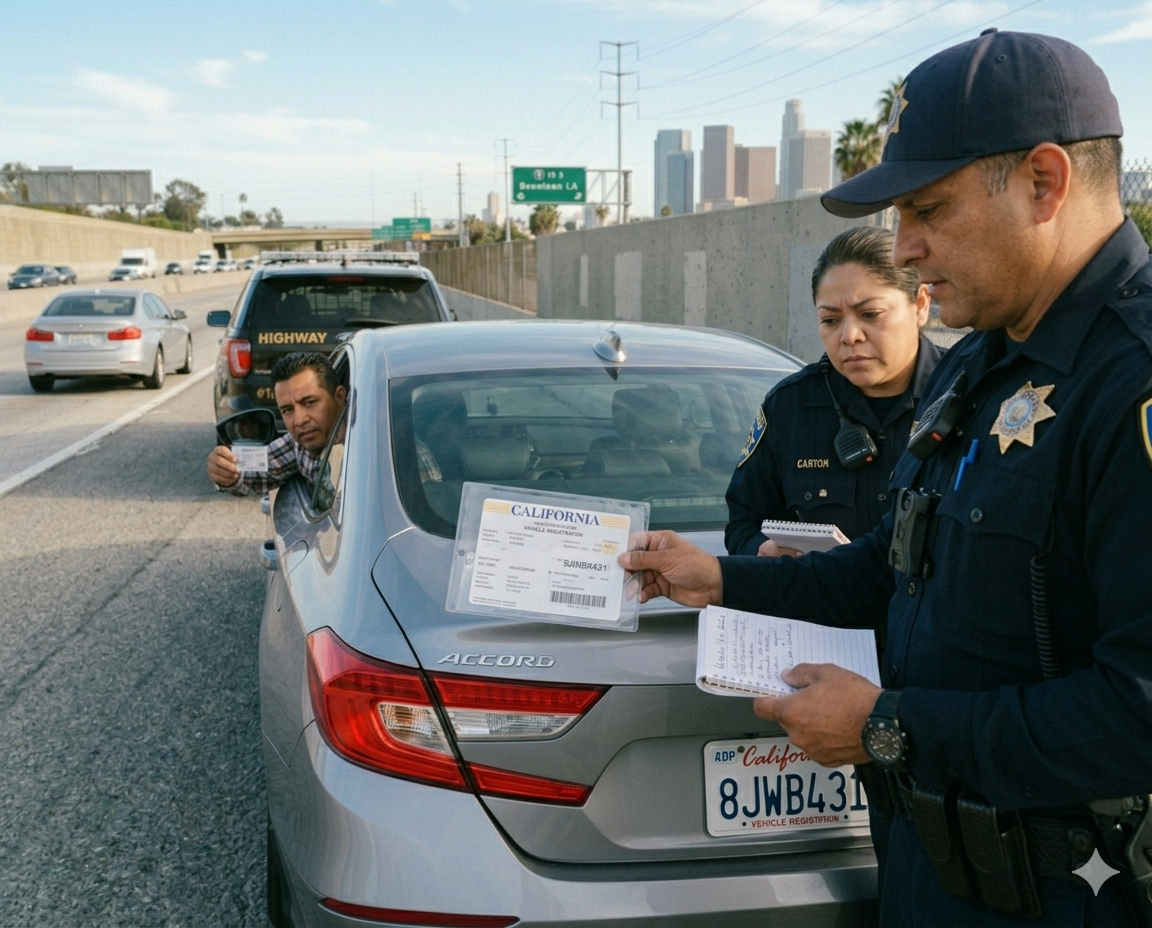
Understanding California traffic laws is essential for every driver, especially when it comes to carrying and presenting vehicle registration. One of the most frequently enforced laws in this area is California Vehicle Code Section 4462, which governs the requirement for drivers to present valid vehicle registration when requested by law enforcement.
This article explains what the law means, when it applies, penalties, common mistakes, and how to stay compliant.
What is California Vehicle Code 4462?
California Vehicle Code 4462 is a law that requires drivers to show valid proof of vehicle registration when a peace officer requests it during a lawful stop or investigation.
In simple terms: If an officer asks for your vehicle registration, you must provide it immediately.
The law applies to any person operating a vehicle on California roads and ensures that all vehicles are properly registered with the state.
Purpose of CVC 4462
This law exists to support public safety and proper vehicle regulation. It helps authorities:
1. Confirm legal vehicle registration
Officers can quickly verify that a vehicle:
- Is properly registered with the Department of Motor Vehicles (DMV)
- Has valid license plates
- Matches official records
2. Prevent fraud and misuse
CVC 4462 helps detect:
- Fake registration cards
- Altered documents
- Misused or stolen license plates
3. Assist in crime prevention
Unregistered or falsely registered vehicles are often linked to:
- Theft
- Identity fraud
- Illegal vehicle operation
By requiring immediate proof, the law supports fast verification during traffic stops.
What You Must Show Under CVC 4462
When requested by law enforcement, you must present valid proof of registration. This usually includes:
- A valid vehicle registration card issued by the DMV
- Temporary registration documents (if applicable and valid)
- Any official proof that confirms the vehicle is legally registered
The key requirement is that the document must be current, valid, and related to the vehicle being driven.
When Does CVC 4462 Apply?
CVC 4462 applies in several real-world situations, including:
During traffic stops
If you are pulled over for any reason such as:
- Speeding
- Equipment violations (broken lights, etc.)
- Reckless driving
- Routine checkpoint inspections
You may be asked to present your registration.
While operating a borrowed vehicle
Even if the vehicle is not yours, you are still responsible for showing its registration when requested.
During investigations or inspections
Law enforcement may request documentation if:
- The vehicle appears unregistered
- The plates do not match records
- There is suspicion of wrongdoing
What Happens If You Do Not Present Registration?
Failing to comply with CVC 4462 can lead to legal consequences.
Possible penalties include:
- Traffic citation (ticket)
- Monetary fines
- Requirement to appear in court
- Additional penalties if combined with other violations
In more serious situations, such as presenting false or altered documents, the offense can escalate into a misdemeanor charge.
Illegal Actions Under CVC 4462
The law does not only require presentation—it also prohibits dishonesty or fraud involving registration documents.
You may NOT:
- Use a registration card belonging to another vehicle
- Present fake or altered documents
- Display incorrect or invalid registration information
- Misrepresent vehicle ownership or registration status
These actions can result in criminal charges, not just traffic tickets.
Common Driver Mistakes
Many drivers violate CVC 4462 unintentionally. Here are frequent mistakes:
Not carrying registration at all
Some drivers assume digital proof or insurance is enough, but physical or official proof is still required.
Expired registration
Even if you have the document, expired registration is not valid compliance.
Confusing insurance with registration
Insurance and registration are separate legal requirements.
Keeping registration outside the vehicle
If it is not accessible during a stop, you may still face a citation.
Scenarios
Scenario 1: Routine traffic stop
A driver is pulled over for a minor violation. The officer requests license, insurance, and registration. The driver must present the registration immediately or risk a citation.
Scenario 2: Borrowed car situation
A person driving a friend’s car must still provide that vehicle’s registration when asked. Personal ownership does not matter.
Scenario 3: Expired paperwork
If registration is expired and cannot be validated, the driver may face fines and possible additional penalties depending on the situation.
Penalties and Legal Impact
While CVC 4462 violations are often treated as infractions, consequences can increase depending on circumstances.
Basic penalties may include:
- Fines
- Court fees
- Correction requirements
Increased penalties may apply if:
- Fraudulent documents are involved
- The vehicle is unregistered for a long period
- The driver has multiple violations
Repeated violations may also impact driving records and insurance costs.
How to Stay Compliant with CVC 4462
Following the law is simple if you stay organized.
Keep registration in your vehicle
Store it in a secure but accessible place like the glove compartment.
Check expiration dates regularly
Set reminders to renew registration before it expires.
Replace lost documents quickly
Request replacements through official DMV channels if needed.
Ensure documents match the vehicle
Always confirm that the registration corresponds to the car you are driving.
Frequently Asked Questions (FAQ)
Is a photo of my registration acceptable?
Some officers may accept digital proof, but physical registration is still the safest and most reliable form.
Do I need registration if I already have insurance?
Yes. Insurance does not replace registration requirements.
What if I forgot my registration at home?
You may still receive a citation, but you may be able to correct it later depending on court instructions.
Does this law apply to parked vehicles?
It primarily applies when operating a vehicle or during lawful inspection requests.
Why This Law Matters
CVC 4462 plays an important role in maintaining order and accountability on California roads. It ensures that:
- Vehicles are properly registered
- Drivers comply with DMV requirements
- Law enforcement can quickly verify vehicle legality
- Fraudulent or unregistered vehicles are identified
Ultimately, it supports safer and more regulated road use for everyone.
Key Takeaways
- CVC 4462 requires drivers to present valid registration upon request
- The law applies during traffic stops and lawful inspections
- Failure to comply can result in fines or citations
- Fraudulent registration use can lead to criminal charges
- Drivers should always keep current registration accessible in their vehicle
Final Thoughts
California Vehicle Code 4462 is straightforward but extremely important. Most violations occur not from intentional wrongdoing, but from missing or outdated paperwork. Keeping your registration current and readily available is one of the easiest ways to avoid unnecessary legal trouble during a traffic stop.
Contact Southwest Legal
If you’ve received a citation or need legal guidance related to California traffic laws, professional help can make a difference. Contact Southwest Legal today for experienced legal support and guidance on traffic violations and vehicle code issues.
Disclaimer: This article is for general informational purposes only and is not legal advice. Laws change over time, and every case involves unique facts. Anyone facing allegations should consult a qualified California defense attorney. Reading this article does not create an attorney-client relationship.