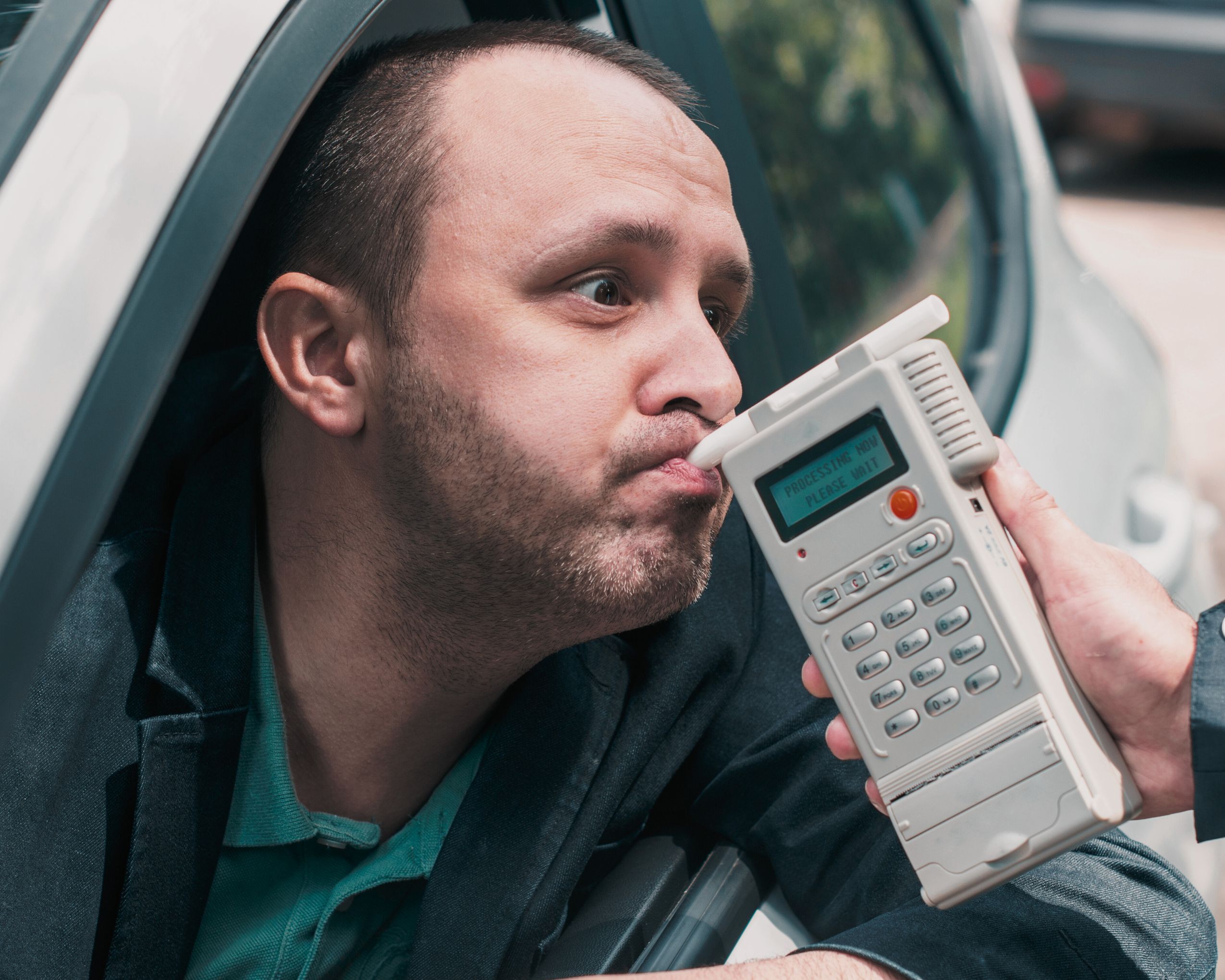
When someone is stopped by law enforcement in California on suspicion of driving under the influence, one of the most important — and often misunderstood — aspects of the encounter involves breath testing. Many drivers do not realize that there are different types of breath tests, that they occur at different stages of a DUI investigation, and that they carry very different legal consequences.
Understanding the difference between roadside breath tests and evidentiary breath tests can help drivers make informed decisions, understand their rights, and avoid unnecessary penalties. This article explains how each test works, when it is used, whether it is required, and how the results may affect a DUI case in California.
Understanding Roadside Breath Tests in California
A roadside breath test is typically administered during a traffic stop before a driver is arrested. In California, this test is formally known as a Preliminary Alcohol Screening test, commonly abbreviated as PAS. It involves a small, handheld breath-testing device that officers carry with them in patrol vehicles.
The purpose of a roadside breath test is investigative rather than evidentiary. Law enforcement officers use it to help determine whether there is probable cause to arrest a driver for DUI. The result is considered one of several factors an officer may rely on, along with driving behavior, physical symptoms, and field sobriety test performance.
These handheld devices are portable and designed for quick readings, but they are not as sophisticated or as tightly regulated as the breath-testing machines used after an arrest. Because of this, roadside breath tests are generally considered less reliable and are treated differently under California law.
Is a Roadside Breath Test Mandatory?
For most adult drivers in California, a roadside breath test is not legally required. Drivers who are 21 years of age or older and who are not currently on DUI probation generally have the right to decline a PAS test without facing immediate license suspension or enhanced penalties.
There are important exceptions. Drivers who are under 21 are subject to California’s zero-tolerance laws and are typically required to submit to a roadside breath test. Drivers who are on DUI probation are also required to take the PAS test as a condition of their probation.
It is common for drivers to feel pressured into taking a roadside breath test because officers may not always clearly explain that the test is optional for eligible drivers. However, under California law, refusing a roadside breath test alone does not automatically result in DUI penalties for most adult drivers.
Accuracy and Limitations of Roadside Breath Tests
Roadside breath tests are more susceptible to error than evidentiary tests. Environmental factors, device calibration issues, residual alcohol in the mouth, certain medical conditions, and recent consumption of food or beverages can all affect the results.
Because these tests are preliminary in nature, their results are usually not used as direct proof of a driver’s blood alcohol concentration in court. Instead, they serve primarily as a tool for officers to justify making an arrest.
What Is an Evidentiary Breath Test?
An evidentiary breath test is conducted after a driver has been formally arrested for DUI. This test is part of California’s chemical testing process and is governed by the state’s implied consent laws.
Unlike roadside tests, evidentiary breath tests are administered using larger, stationary machines located at police stations, jails, or other approved testing facilities. These machines are subject to strict regulations regarding maintenance, calibration, and operation.
The purpose of an evidentiary breath test is to measure a driver’s blood alcohol concentration for use in criminal prosecution and administrative proceedings, including DMV license suspension actions.
Implied Consent and Legal Obligations
Under California law, anyone who drives a motor vehicle is deemed to have given implied consent to submit to chemical testing if lawfully arrested for DUI. After an arrest, the officer must inform the driver that refusing a chemical test will result in license suspension and other penalties.
At this stage, drivers are typically given a choice between a breath test and a blood test. If one option is unavailable, the other must be taken. Refusal is not a neutral choice and carries serious consequences.
Consequences of Refusing an Evidentiary Breath Test
Refusing an evidentiary breath test triggers automatic administrative penalties through the California Department of Motor Vehicles, regardless of whether the driver is ultimately convicted of DUI in criminal court.
A first refusal generally results in a one-year driver’s license suspension. Subsequent refusals within a ten-year period lead to longer suspensions. These penalties are separate from any criminal fines, jail time, or probation that may be imposed if a DUI conviction occurs.
In addition to DMV consequences, refusal evidence may be introduced in a criminal DUI case. Prosecutors often argue that refusal demonstrates consciousness of guilt, which can negatively impact a defense.
Key Differences Between Roadside and Evidentiary Breath Tests
Roadside breath tests and evidentiary breath tests serve very different roles in a DUI investigation.
Roadside breath tests are administered before arrest, use portable devices, and are mainly investigative. They are often optional for adult drivers and carry minimal immediate penalties for refusal.
Evidentiary breath tests occur after arrest, use certified machines, and are legally binding. Refusal leads to automatic license suspension and can significantly affect both DMV hearings and criminal court proceedings.
Understanding which test is being requested — and when — is critical to understanding a driver’s legal rights and obligations.
How Breath Test Results Are Used in DUI Cases
Roadside breath test results are generally used to support an officer’s decision to arrest a driver. They are rarely relied upon as direct proof of intoxication at trial.
Evidentiary breath test results, on the other hand, are a cornerstone of many DUI prosecutions. These results are used to establish whether a driver was at or above California’s legal blood alcohol limit at the time of testing.
Defense strategies often focus on whether testing procedures were properly followed, whether the equipment was properly maintained, and whether external factors may have influenced the results.
Why Legal Guidance Matters in DUI Breath Test Cases
Breath testing issues are highly technical and heavily regulated. Small procedural errors or equipment problems can have a significant impact on the outcome of a DUI case. At the same time, misunderstandings about testing obligations can lead drivers to make decisions that unintentionally worsen their situation.
Having experienced legal counsel can make a critical difference when navigating breath test issues, DMV hearings, and DUI charges.
Speak With Southwest Legal Today
If you or a loved one is facing a DUI charge in California and have questions about roadside breath tests, evidentiary breath tests, or the risk of license suspension, Southwest Legal is here to help. Our experienced DUI defense attorneys understand California DUI laws, breath testing regulations, and DMV procedures. We will carefully review your case, explain your legal options, and fight to protect your rights and driving privileges. Contact us today for a free, confidential consultation and get the knowledgeable legal guidance you deserve.